Romania to build rare earth metals processing plant using raw materials from Greenland

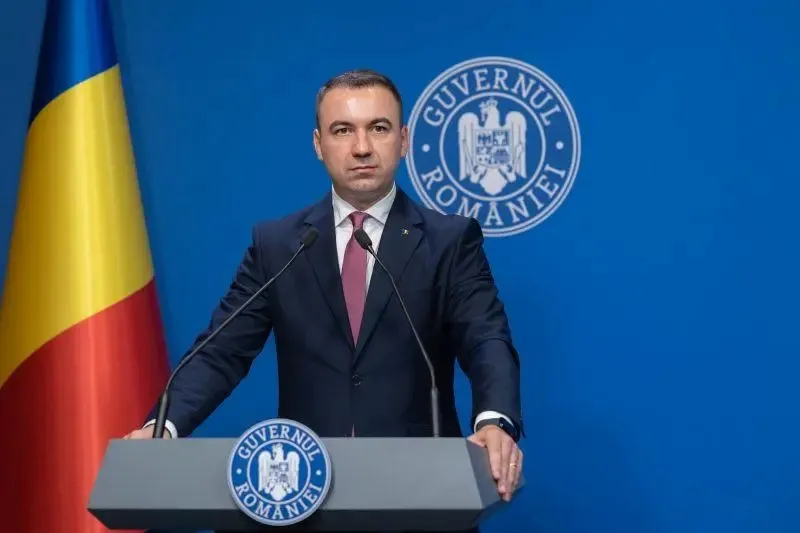
Romanian Energy Minister Bogdan Ivan announced on Antena 3 CNN that the country's authorities had signed an agreement with the American company Critical Metals Corp to build a rare earth processing plant in Brasov. The plant will process concentrate extracted by the American company from the Tanbrith deposit in Greenland.
According to the minister, by mid-April, the Romanian side will determine the financing terms and the list of metals to be processed. Ivan stressed that the initiative covers the entire economic cycle from resource extraction in Greenland to processing and final industrial use in Europe and the United States. He also recalled the European Union's strategic goal of becoming completely independent from Chinese processing of rare earth elements.
The minister noted that Romania is currently losing a significant part of its added value due to the lack of its own processing capacities. In particular, the country exports copper ore with a content of 3% or 5% to Turkey, where it is processed to a purity of 98% and returned. In his opinion, the construction of the plant will allow it to serve not only the domestic market but also neighbouring countries, giving Romania a chance to become a global player in the industry.
Critical Metals Corp said the venture would be financed on a 50-50 basis between the American and Romanian sides. The company emphasised that the partnership with an EU and NATO member country will create the first fully integrated supply chain for rare earth elements in the Western world, from mining to the production of military and aerospace-grade magnets.
Rare earth elements are a group of 17 chemical elements that are included in the European Union's list of 34 critically important raw materials. They are used in the production of mobile phones, batteries, wind turbines and equipment for the defence industry.
The Tanbriz deposit is estimated to contain 4.7 billion tonnes of reserves, of which 28.2 million tonnes are rare earth oxides. The project is expected to reduce the dependence of Europe and the United States on supplies from China and strengthen the region's industrial autonomy.