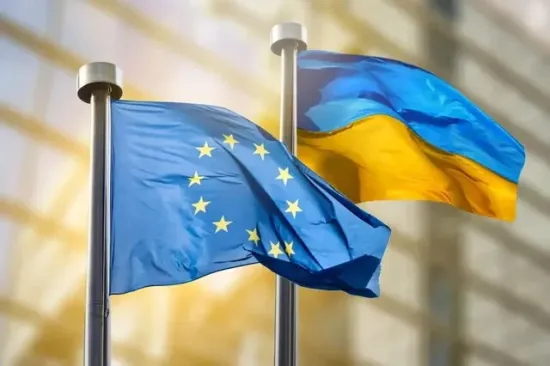
Russia tailors its propaganda to each country in order to thwart Ukraine’s accession to the EU

This is stated in a joint report by the European External Action Service and the Ukrainian Centre for Countering Disinformation, according to the Kyiv Independent.
The authors of the study analysed around 500 information operations recorded between January 2025 and May 2026. Of these, 80 were directly linked to attempts to discredit Ukraine’s accession to the European Union.
According to the researchers, the Kremlin does not rely on a single, one-size-fits-all campaign, but tailors its messaging to specific audiences.
For instance, Ukrainians are being led to believe that the European Union is allegedly deliberately prolonging the war, seeking to gain control over Ukraine, or even interested in its partition among individual states. Claims are also being circulated about the alleged incompatibility of Ukrainian and European values.
In EU countries, however, Russian propaganda capitalises on the internal fears of each society. In particular, reports are circulating in Germany that support for Ukraine is the cause of economic hardship for Germans, whilst in France the narrative of allegedly intractable corruption in Ukraine is being actively promoted.
The authors of the report paid particular attention to Poland. According to them, Russian information campaigns exploit sensitive historical issues, notably the Volhynia tragedy, to heighten tensions between Poles and Ukrainians. Such campaigns are based on real events but are used to spread disinformation and stir up conflict.
In the foreword to the report, the EU’s High Representative for Foreign Affairs, Kaja Kallas, emphasised that a successful, democratic and sovereign Ukraine as part of the European Union would constitute a strategic defeat for the Kremlin’s imperial ambitions.
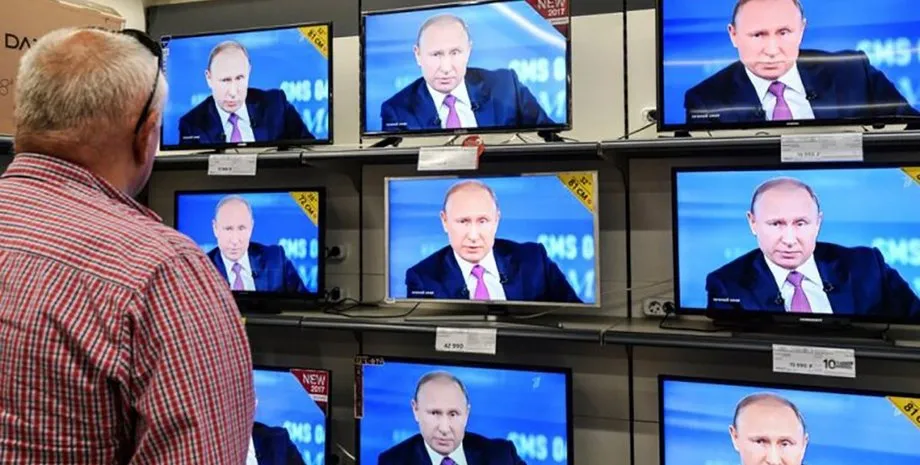
The document also notes that Russian state media coordinate their information campaigns with a network of outlets that are not formally linked to the government but systematically disseminate and amplify Kremlin narratives.
The authors call on Ukraine and the EU to strengthen cooperation in the field of strategic communications, to detect disinformation campaigns more swiftly, to engage with digital platforms, and to impose sanctions against the organisers of influence campaigns.
Follow us on Telegram