Security officials suggest Putin postpone the State Duma elections — media reports

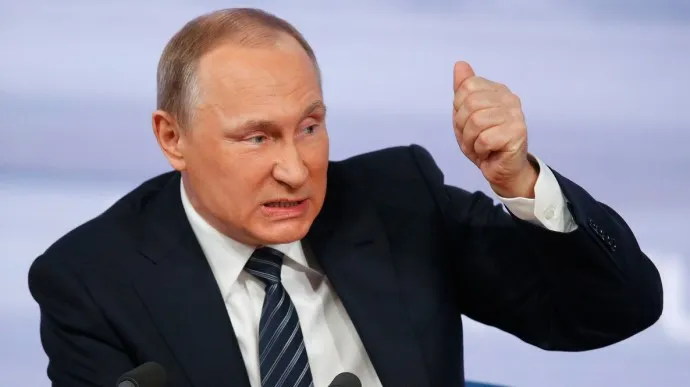
According to media reports, the idea of postponing the State Duma elections is being pushed by representatives of Russia’s security apparatus.
One source quoted by the Russian media stated that talk of postponing – and, in fact, of possibly cancelling – the elections in the near future first emerged as early as spring 2026.
According to sources, those who may be lobbying for such a decision include FSB leaders and the head of the Russian Guard, Viktor Zolotov.
Why the security services might want the elections postponed
According to the sources, the security services’ main arguments are the deteriorating economic situation in Russia, rising prices, budgetary problems caused by the war against Ukraine, and staff cuts at enterprises.
Another factor cited is the attacks by Ukrainian drones on Russian regions, particularly Moscow and the Moscow region.
According to the publication, following these attacks, the idea of postponing the elections has gained traction amongst some members of the Russian leadership.
What is being said about the documents
Despite discussions within government circles, there is currently no official decision to postpone the elections.
One of the sources noted that the discussion is taking place only at the level of informal talks, and there are no documents on Putin’s desk.
According to him, such documents may never materialise.
How this is linked to United Russia’s approval ratings
Sources cite the fall in support for the ruling United Russia party as one of the reasons for the possible postponement of the elections.
According to Ukraine’s Foreign Intelligence Service, the party’s approval rating has fallen from 23% to 16% over the past six months. Furthermore, 22.3% of Russians have stated that they will not vote for it under any circumstances.
The SVR believes that the Kremlin is aware of this trend and may be banking not on persuading voters, but on a lower turnout.
Elections to the State Duma are one of the key instruments for legitimising Russian authority within the country.
If the Kremlin does indeed begin to discuss postponing or cancelling the elections, this could indicate growing unease over the economic consequences of the war, attacks on Russian territory and a decline in support for the ruling party.
At the same time, these are currently merely media reports citing anonymous sources, rather than an official decision.
Vladimir Putin has effectively been in power in Russia since 1999. Between 2008 and 2012, he served as Prime Minister, whilst Dmitry Medvedev was President at the time.
The Russian authorities have repeatedly used the war and security issues to tighten their grip on the information landscape, restrict access to independent media and strengthen repressive legislation.
Follow us on Telegram