The US has imposed new sanctions against key state-owned companies in Cuba

The US has imposed new sanctions against five Cuban state-owned companies that play a key role in the country’s economy. The new restrictions were announced on 23 June, according to DW.
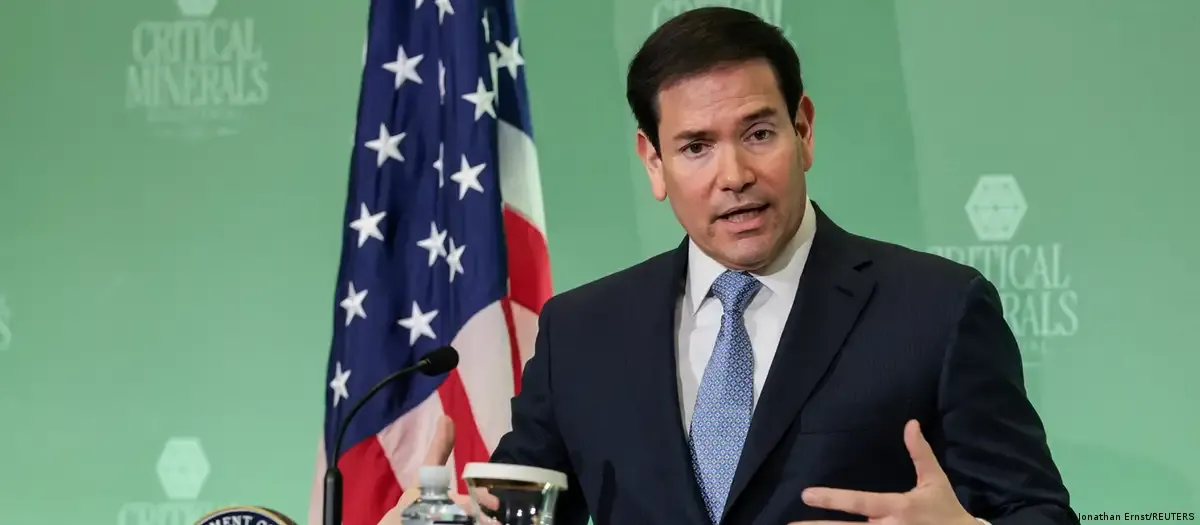
US Secretary of State Marco Rubio stated that the sanctions are directed against five Cuban companies, three of which are linked to the business conglomerate Grupo de Administración Empresarial S.A.. This organisation is managed by the Revolutionary Armed Forces of Cuba.
According to various estimates, Grupo de Administración Empresarial S.A. controls around 40 per cent of Cuba’s gross domestic product. As of 2024, the conglomerate’s liquid reserves were estimated at 14.5 billion dollars.
Companies involved in the export and import of goods, foreign investment, financial transactions and the production of crude steel have been targeted by the new sanctions. Restrictions have also been imposed on the wife of Alejandro Castro, who heads Cuba’s National Security Council and is the son of Raúl Castro.
Marco Rubio stated separately that the Cuban authorities are using Grupo de Administración Empresarial S.A. for their own enrichment, as well as to fund repression, espionage and anti-American activities.
Cuba’s Foreign Minister, Bruno Rodríguez Parrilla, described the new sanctions as a continuation of ‘ruthless aggression’ and ‘collective punishment’. He also criticised Marco Rubio.
Against the backdrop of deteriorating relations between Washington and Havana, the US Supreme Court has upheld the right of American companies to file claims for compensation for the nationalisation of their property by Fidel Castro’s government.
In particular, Exxon was granted the right to bring a claim against Cuban companies operating an oil refinery, oil terminals and over 100 petrol stations. In 1960, the Cuban government seized these assets and declared them state property.
According to The Wall Street Journal, the potential compensation could reach one billion dollars. This decision may heighten tensions in relations between the US and Cuba.