Separatist Karan wins re-election as president of Republika Srpska

Tamara Vasylchuk
Tamara Vasylchuk Journalist
Separatist Karan wins re-election as president of Republika Srpska

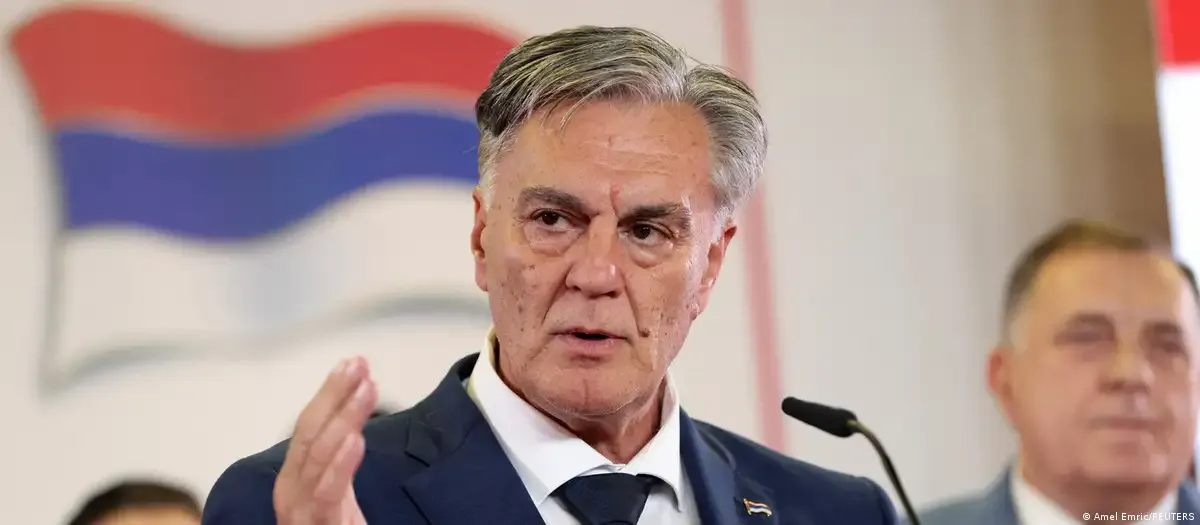
Re-election in Republika Srpska Karun wins again Photo by Amel Emric REUTERS
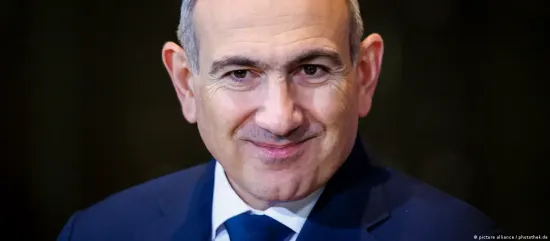
In the Republic of Srpska, following partial re-elections, Sinisa Karan, who is considered an ally of the ousted Milorad Dodik, was re-elected president.

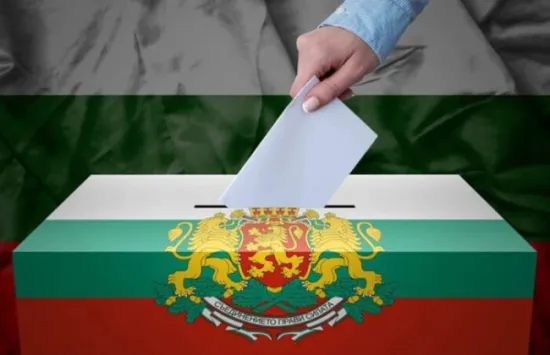
In the Republika Srpska, part of Bosnia and Herzegovina, Serbian separatist candidate Sinisa Karan won the partial presidential election, according to the country's Central Election Commission, DW reports.

Even before the official announcement of the results, Karan declared his victory, and his opponent from the largest opposition force, Branko Blanus, conceded defeat. The partial re-election took place at 136 of approximately 2,200 polling stations, with about 84,500 citizens eligible to vote again.

The decision to hold the re-election was made due to violations recorded during the voting on 23 November. At that time, Karan was ahead of Blanus by almost 9,600 votes, which theoretically left the opposition with a chance for revenge. According to the CEC, almost 42,000 voters, or 49.5 per cent of the total number, took part in the re-election. This time, Karan's lead increased to 10,871 votes.

At the same time, observers reported new violations. The CEC received four official complaints, and the Ministry of Internal Affairs of the Republika Srpska reported 13 possible incidents at polling stations recorded before 15:00. Most of them concerned alleged bribery of voters. According to dpa, there were also cases of pressure on citizens.

Karan is considered a close associate of Milorad Dodik, who was previously removed from office as president of the Republika Srpska. Dodik was removed after being convicted of enacting laws that prohibited the implementation of decisions by the High Representative of the United Nations in Bosnia and Herzegovina. Although he was not eligible to run for office, Dodik, according to experts, retains significant informal influence over political processes in the region.

Bosnia and Herzegovina, in accordance with the 1995 Dayton Accords, consists of two semi-autonomous entities, the Republika Srpska and the Federation of Bosnia and Herzegovina, which are linked by a weak central government. About a third of the country's 3.5 million people live in the Republika Srpska, which covers almost half of the country's territory.
Share tittle
Politics
Zelenskyy has appointed a new commander-in-chief: Drapatiy is to replace Syrskyi
Politics

Zelenskyy has appointed a new commander-in-chief: Drapatiy is to replace Syrskyi

President Volodymyr Zelenskyy has appointed Mykhailo Drapaty as the new Commander-in-Chief of the Armed Forces of Ukraine. He will replace Oleksandr Syrskyi once the personnel decisions have been formally finalised.

21.07.2026
The Hungarian Public Prosecutor’s Office carried out searches at the offices of Orbán’s Fidesz party
Politics
  • Important

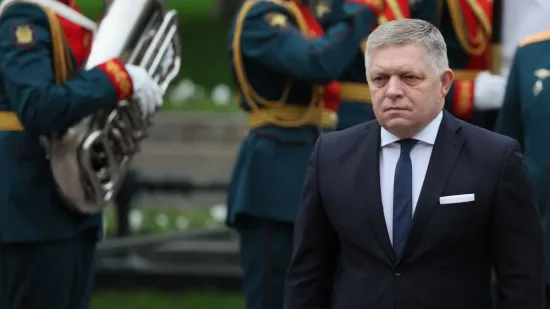
The Hungarian Public Prosecutor’s Office carried out searches at the offices of Orbán’s Fidesz party

The Hungarian party Fidesz has stated that the public prosecutor’s office carried out searches at the office where its servers are housed. The party has accused the government of attempting to obstruct its activities.

21.07.2026
The Director of the FBI may visit Russia for the first time in over ten years
Politics

The Director of the FBI may visit Russia for the first time in over ten years

Kesh Patel, Director of the US Federal Bureau of Investigation, may visit Russia this autumn. According to Politico, the trip is currently being planned, and the details are still subject to change.

21.07.2026
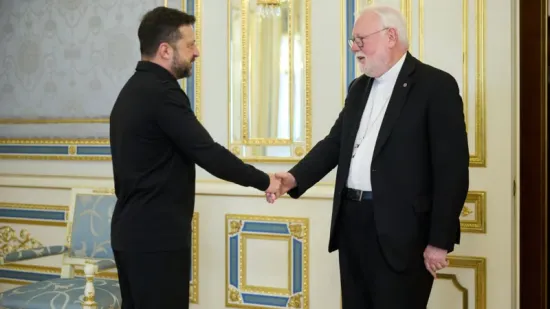
The Vatican is prepared to host a meeting between the leaders of Ukraine and Russia
Politics

The Vatican is prepared to host a meeting between the leaders of Ukraine and Russia

The Vatican is prepared to host a summit that could help bring an end to Russia’s war against Ukraine. The date of the talks and the list of participants have not yet been agreed.

21.07.2026
NATO countries are facing a shortage of cotton for gunpowder production – WSJ
Politics

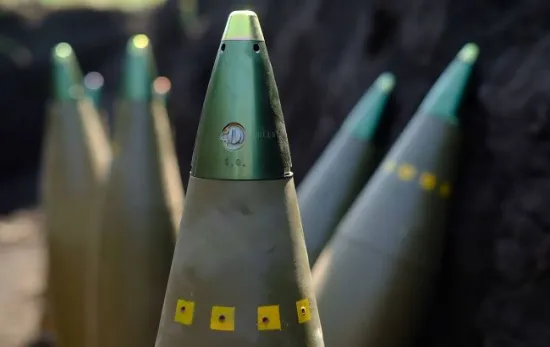
NATO countries are facing a shortage of cotton for gunpowder production – WSJ

NATO countries are facing an acute shortage of cotton, which is needed to manufacture explosives for artillery munitions.

21.07.2026
Elections