Shevchenko Day: interesting facts about Taras Shevchenko that not everyone knows

Katerina Melnychenko
Katerina Melnychenko Deputy Editor-in-Chief
Shevchenko Day: interesting facts about Taras Shevchenko that not everyone knows

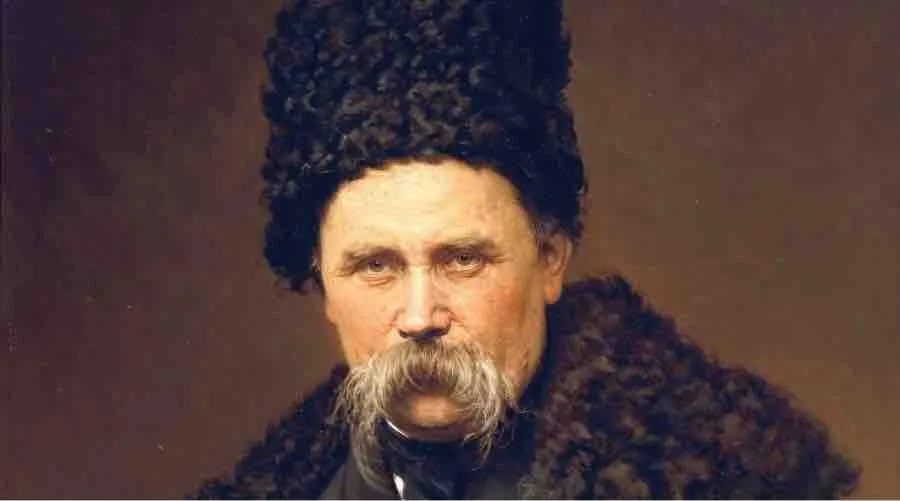
Taras Shevchenko photo Stock
On 9 March, Ukraine celebrates the birthday of its national genius, Taras Shevchenko. The poet, artist and thinker became a symbol of the struggle for freedom, dignity and national identity of Ukrainians.

Taras Hryhorovych Shevchenko was born in 1814 in the village of Morintsy in Cherkasy region into a serf family. His life became an example of how talent and strength of spirit can change a person's destiny and influence an entire nation.

The collection Kobzar became one of the most important works of Ukrainian literature and awakened the national consciousness of Ukrainians. For his creativity and free thinking, the poet was persecuted and exiled, but he did not renounce his beliefs.

For Ukrainians, 9 March is not only a day to remember an outstanding artist. It is a reminder of the power of words, love for the Motherland, and responsibility for its future.

Interesting facts about Taras Shevchenko

  • Taras Shevchenko was a talented artist — he created over 1,300 paintings, of which more than 800 have survived to this day.

  • The poet often illustrated his own works, loved to paint self-portraits, and even dabbled in sculpture.

  • Shevchenko's works have been translated into more than 100 languages.

  • The poet was 164 centimetres tall.

  • During his lifetime, Shevchenko was more appreciated as an artist than as a poet.

  • He earned well as a portrait painter and therefore always dressed quite fashionably.

  • Taras Shevchenko lived in Ukraine for about 15 years during his entire life.

  • The poet loved Viennese coffee, but his favourite drink was tea with rum.

  • Among Shevchenko's favourite dishes was borscht with dried crucian carp and fresh cabbage.

  • In 1975, one of the craters on the planet Mercury was named after Taras Shevchenko.

  • There are over 1,380 monuments to the poet around the world. The first appeared in 1881 in the city of Fort Shevchenko.

  • The smallest edition of Kobzar is smaller than a poppy seed — it was created by Ukrainian master Mykola Syadristy.

People said that Kobzar did not die — his words continue to live on with the Ukrainian people.

Years pass, inscriptions on stones fade, buildings collapse, but the words of Taras Shevchenko remain alive and relevant. Even today, his poetry reminds us of freedom, dignity and love for Ukraine.
Share tittle
Society
Ani Lorak's concerts in Russia have been cancelled following accusations that she supports the Ukrainian Armed Forces
Society

Ani Lorak's concerts in Russia have been cancelled following accusations that she supports the Ukrainian Armed Forces

Ani Lorak’s concerts in cities across the Far East have been cancelled in Russia following accusations that she allegedly supports the Ukrainian military.

03.06.2026
The 50+ mobilisation in June 2026: the home front or the front line
Society

The 50+ mobilisation in June 2026: the home front or the front line

Men over the age of 50 who are liable for military service may be called up in Ukraine if they are fit for service and do not have a deferment or exemption.

03.06.2026
Sweden wants to ban social media for children under the age of 15
Society

Sweden wants to ban social media for children under the age of 15

Sweden may join the ranks of countries that restrict children’s access to social media. A government commission is proposing to introduce a minimum age of 15 for using social media, and the relevant legislation could come into force as early as 1 January 2028.

03.06.2026
Epiphanius, Onuphrius or the Pope: which church leader do Ukrainians trust?
Society

Epiphanius, Onuphrius or the Pope: which church leader do Ukrainians trust?

Most Ukrainians are not very familiar with the country’s religious leaders – but among those they do know, Metropolitan Epiphanius enjoys the highest level of trust. Kirill, Patriarch of the Russian Orthodox Church, has no trust at all in Ukraine.

03.06.2026
The ECHR has banned the automatic detention of journalists during protests
Society

The ECHR has banned the automatic detention of journalists during protests

The European Court of Human Rights has ruled that the authorities cannot automatically detain a journalist during a protest simply because they have refused to comply with a police order to leave the scene.

03.06.2026