What is a hantavirus, what are the symptoms, and why is it dangerous?

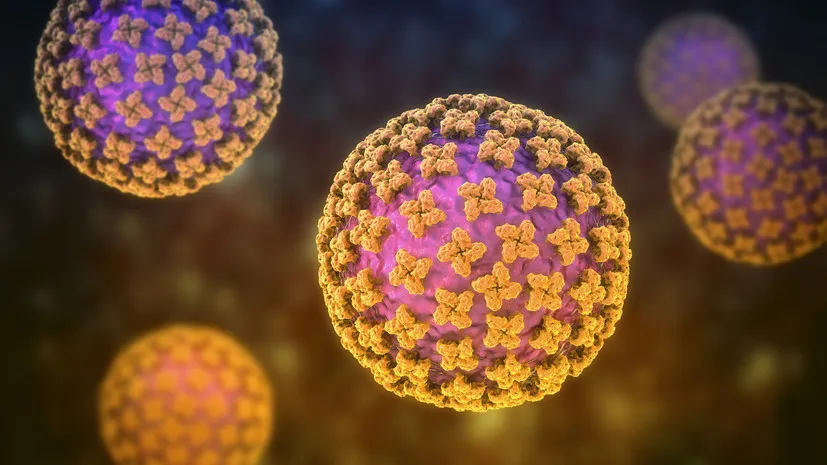
An outbreak of hantavirus – a viral disease that affects the lungs and kidneys – has occurred on a cruise ship in the Atlantic Ocean. Many people fear a hantavirus pandemic, as happened with the coronavirus.
Key points:
What is a hantavirus infection?
Hantavirus – how it is transmitted
How does hantavirus manifest in humans – main symptoms
How to treat hantavirus – treatment and detection
What is the mortality rate from hantavirus and what are the long-term consequences
What is a hantavirus infection
As explained by the Ministry of Health of Ukraine, hantavirus is not a single specific disease, but a group of infections with different strains and symptoms. The disease is not new and has been known to scientists for many years. It has been recorded in many countries around the world, including Ukraine. However, overall, the disease is considered to be quite rare.
Hantavirus – how it is transmitted
Rats, mice and other rodents are susceptible to hantaviruses, and it is from them that the infection is transmitted to humans. You can become infected if you visit a place where an infected animal has been. The virus enters the body through inhalation, the skin, food or water. A person can also become infected by rubbing their eyes or nose with contaminated hands. Consequently, people who frequently come into contact with rodents – such as cleaners, sewer workers, military personnel and others – are at increased risk of infection.
The Andean strain has been detected in passengers on a cruise ship. Scientists believe that this particular hantavirus may be transmitted from person to person, but this information requires further verification. It is currently considered that this route of transmission is rare and atypical.
To protect yourself from the disease, the Ministry of Health advises, where possible, not to touch mice or rats, not to visit their habitats, and not to sleep outdoors. In premises where rodents have been spotted, it is advisable to carry out disinfection and wear a mask to avoid inhaling dust. Food and water not kept in the fridge should be stored in airtight containers that are mouse-proof.
How does hantavirus manifest in humans – symptoms
After infection, an incubation period begins, which can last 1–4 weeks. The first signs then appear in the infected person. The symptoms depend on the duration of the hantavirus infection – initially, they resemble the flu. The person experiences muscle, abdominal and lower back pain, fever, nausea and dizziness. Sometimes the disease can be asymptomatic.
However, the Ministry of Health warns that hantavirus can cause complications that significantly increase its fatality rate. Patients may develop haemorrhagic fever with renal syndrome, characterised by nosebleeds, skin rashes, low blood pressure, and, in severe cases, kidney failure.
A second possible complication is hantavirus pulmonary syndrome. Initially, it manifests as a cough, high temperature and difficulty breathing. Subsequently, very dangerous symptoms may develop: pulmonary oedema and fluid accumulation in the lungs, which, if left untreated, can lead to the patient’s death.
How to treat hantavirus – treatment and diagnosis
There is no specific treatment for hantavirus itself – the aim is simply to alleviate the patient’s symptoms. If signs of infection are detected, you should contact your GP as soon as possible. The disease can be diagnosed using special tests, but there is no vaccine available as yet.
Specialised treatment may be prescribed in severe cases. If kidney failure develops, the patient may require haemodialysis; if there are complications affecting the lungs, artificial ventilation may be required.
What is the mortality rate from hantavirus and what are the long-term consequences?
According to Deutsche Welle, there is no single answer as to how dangerous hantavirus is – the mortality rate can range from 1–15% to 40–50%. The figure depends on the strain, the individual’s physical condition and the presence of complications. If a patient develops kidney failure, the mortality rate can be 15%, and in cases of renal syndrome, around half of patients die. According to the WHO, mortality from this virus is significantly higher in North and South America than in Europe and Asia.
Scientists suggest that even after full recovery, hantavirus can cause long-term health consequences. In the future, such patients may be at higher risk of developing cardiovascular diseases or blood cancer.
As a reminder, it was previously reported that 23 passengers on the Hondius cruise ship, who were infected with the hantavirus, had travelled around the world before the quarantine was imposed.
Follow us on Telegram