“Ukraine’s Intellectual Capital” in 2025: strengths, risks and what has changed

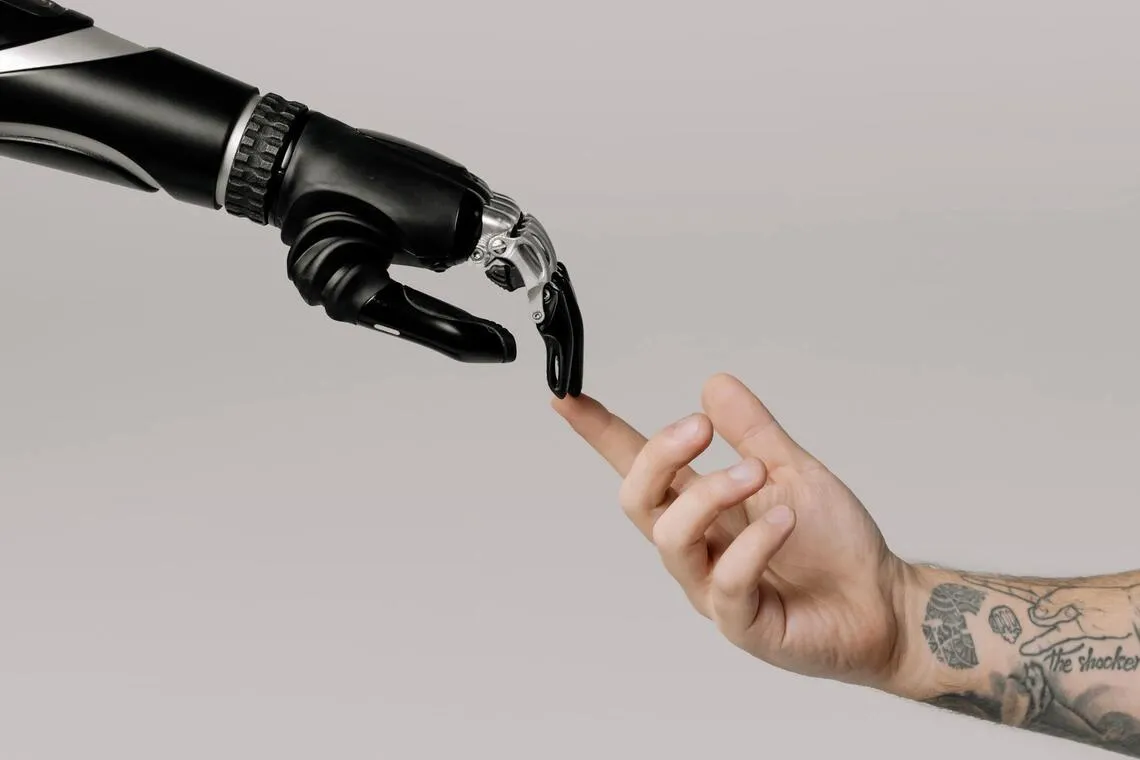
The “Intellect of Ukraine” project is described as an initiative designed to nurture gifted young people through specialised programmes and modern teaching methods. Its key benefits include a deeper immersion in science, the development of critical thinking, a project-based approach to lessons, and the use of cutting-edge technologies, which enable children to stay ahead of the standard school curriculum. At the same time, the programme’s weaknesses are said to include unequal access, a heavy workload for pupils and funding issues, which may limit its effectiveness for all sections of society.
“Intellect of Ukraine” was launched in 2018 as a response to the outdated education system. The project covers primary and lower secondary education and, according to the description provided, aims to foster an “intellectual elite” through the integration of modern technologies, including interactive whiteboards and online platforms. An example is given: in Year 5, pupils can study mathematics through real-world projects, such as modelling ecosystems, which combines mathematics with ecology. According to the data provided, by 2025 the project will be implemented in over 500 schools and reach thousands of children.
The programme’s popularity is specifically linked to global educational trends, primarily STEM education. It is also stated that by 2025, the project will have integrated elements of artificial intelligence for personalised learning, which, according to the plan, should make lessons more adaptable to each pupil’s level.
Strengths and challenges of the programme
The development of critical thinking and creativity is cited as a strength of ‘Intellect of Ukraine’. The author writes that children do not simply memorise facts, but apply their knowledge in practice. Examples given include history lessons combined with debates on modern Ukraine, as well as IT lessons where pupils work with robots or create their own digital products. The text also mentions an assessment suggesting that such methods allegedly increase motivation by 30–40% compared to standard programmes. Another advantage cited is the individualised approach to gifted children: the programme allows them to learn faster, and the average test score, according to the data in the article, can increase by 15–20%. The development of teamwork, communication and social skills through group projects is also highlighted.
Among the problems highlighted is unequal access to the programme. According to the data cited in the text, in rural areas only 20% of schools have the necessary resources to implement such a model, and this, in the author’s view, widens the gap between better-resourced and ordinary schools. Separately, the high workload on pupils is highlighted: due to the intensive pace of lessons, the author describes how children often spend their evenings on homework projects and may lose out on time for rest and hobbies. Another point of criticism concerns financial barriers, as, despite the initiative’s state status, parents, according to the text, often have to pay extra for materials or additional courses. The author also highlights a lack of inclusivity, noting that the programme focuses primarily on gifted children, leaving those with special needs without adequate support.
About 2025 and comparisons with other approaches
The article describes 2025 as a period of new opportunities and new challenges for the programme. It states that the number of participants has increased by 15% compared to 2024, and AI solutions have begun to be integrated more actively into the system, particularly for personalised lessons. At the same time, the author notes that it is the lack of resources in some regions that continues to hinder the programme’s development and prevents it from becoming truly widespread. The text highlights that the project is developing more actively in schools in Kyiv and Lviv, whilst smaller towns require additional investment.
“Intellect of Ukraine” is also compared with the “New Ukrainian School” and international STEM programmes. In this comparison, the project is positioned as stronger in terms of innovation, but weaker in terms of inclusion and accessibility. The article also highlights some “interesting facts”: from a launch involving just 10 schools in 2018 to an expansion to more than 500 institutions by 2025, the success of pupils at international Olympiads, the launch of an online course for teachers which, according to the figures provided, has been completed by over 2,000 educators, as well as an unofficial assessment suggesting that over 70% of parents recommend the programme, whilst around 20% complain about bureaucracy during the enrolment process.
In conclusion, “Intellect of Ukraine” is not described as a one-size-fits-all solution for the entire education system, but rather as a powerful tool for the development of motivated and gifted children, which at the same time requires further refinement, greater inclusivity and wider access. The author advises parents and teachers to consider not only the prestige or novelty of the programme, but also the child’s individual abilities, their readiness for an intensive workload, and the need for a balance between study and rest.
As a reminder, from 2026, Ukrainian schoolchildren will study for one year longer. The introduction of 12-year education will be part of far-reaching changes to the education system, which will affect the approach to learning and the preparation of pupils for life. Find out exactly what changes await children and parents in our article.