The US is considering military protection for tankers in the Strait of Hormuz

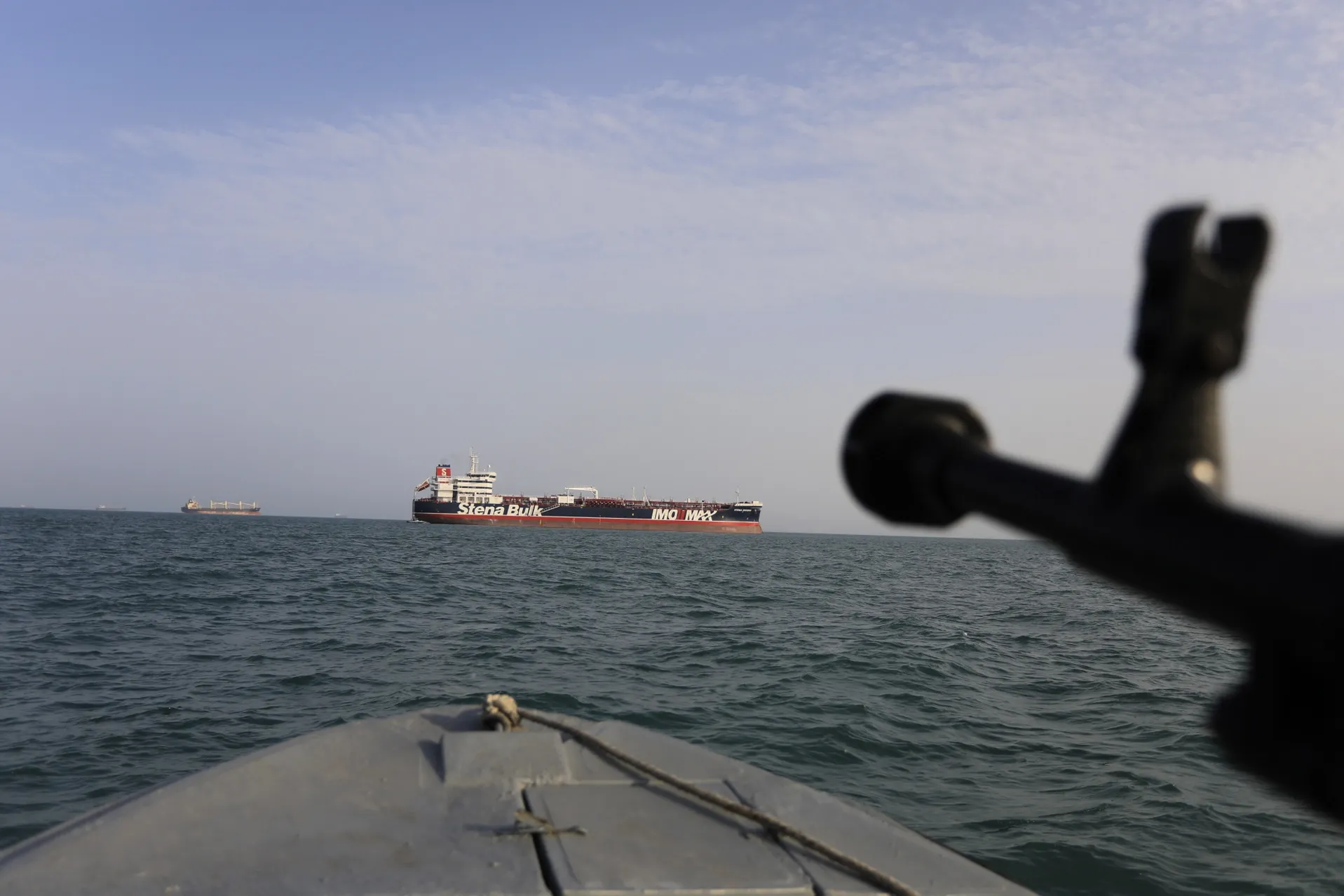
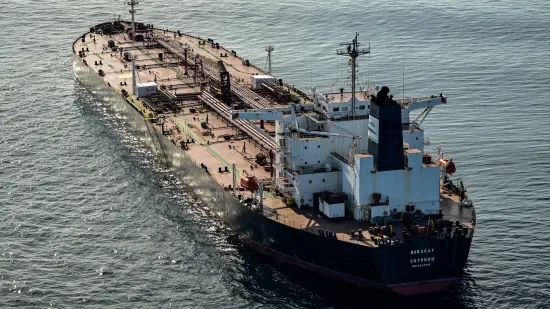
The administration of US President Donald Trump is considering providing military protection to oil and gas tankers passing through the Strait of Hormuz. This move is being discussed amid a sharp rise in energy prices following warnings from Iran about possible attacks on ships in the area, according to Politico.
According to two people familiar with the discussions, one option being considered is for the US Navy to escort ships passing through the strait.
One of the sources noted that the issue of military support for oil and gas supplies is becoming increasingly relevant. In his opinion, energy markets may come under pressure in the coming days due to the expansion of the military campaign.
The Strait of Hormuz is a key route for the transport of natural gas and oil, particularly from Qatar and Saudi Arabia.
Oil prices in the US have risen by almost $10 per barrel since the end of last week amid continued fighting. The increase in cost has already begun to affect petrol prices, which may exceed the level seen when Donald Trump took office last year.
The possibility of government support for insurance for tankers passing through the Strait of Hormuz is also being discussed. This was reported by another person familiar with the negotiations.
Although the strait remains formally open, insurance companies are raising marine insurance rates and, in some cases, refusing to provide coverage for ships passing through the area.
A former defence official familiar with the talks said the Pentagon is continuing to discuss a possible naval mission. According to him, it could be similar to previous US Defence Department operations in the Red Sea.
During those operations, the US sent aircraft carriers and destroyers to the region to ensure freedom of navigation amid threats from an Iranian-linked group.
The White House reported that President Donald Trump is meeting with the US Secretary of Energy and Secretary of the Treasury.
"The president is meeting with the energy and finance ministers today. After this meeting, they will be able to provide more information," said a White House representative.
The discussions were the first sign that the president was beginning to pay more attention to rising prices for oil, natural gas and motor fuel after the US and Israel began strikes on Iran.
The escalation of the conflict in the Middle East has led to the deaths of six American servicemen and attacks on the US embassy in Saudi Arabia. Energy infrastructure has become one of Iran's main targets.
Qatar suspended operations at a large natural gas export facility, and oil refineries in Saudi Arabia were attacked.
Iran also fired on ships passing through the Strait of Hormuz, through which about 20 per cent of the world's maritime oil supplies are transported.
According to the US military, 11 Iranian ships have been sunk since the start of the joint US-Israel operation on Saturday.
As a result, the future mission may focus on intercepting Iranian missiles that could pose a threat to civilian shipping.
This development could put additional pressure on US air defence missile interceptor stocks, which have already been depleted by the campaign against the Yemeni Houthis and Israel's war against Iran last year.
US Secretary of State Marco Rubio said on Monday that the administration plans to announce a plan to combat rising oil prices caused by US military strikes on Iran.
"We will destroy their fleet," Rubio said, without elaborating on the details of the future plan.