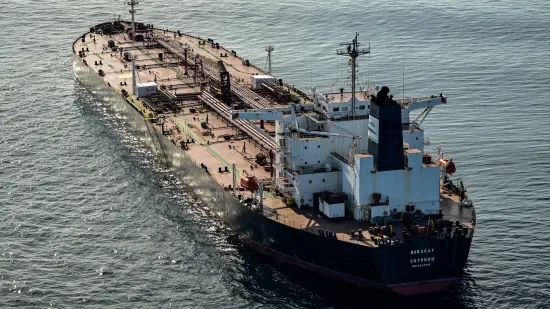
In Russia, a shortage of diesel fuel has hit rail freight transport

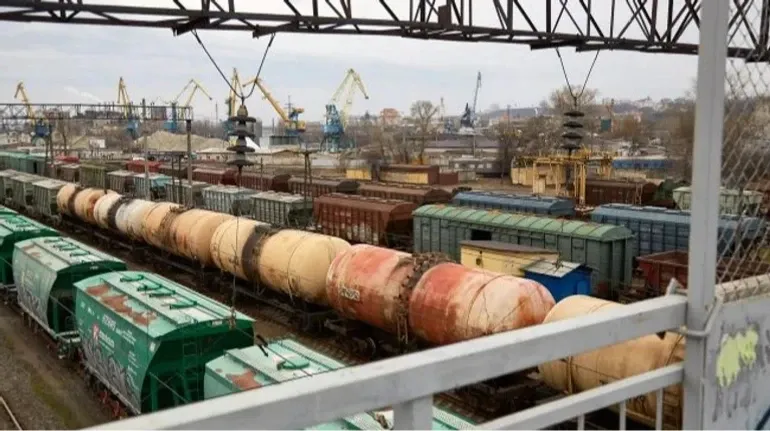
In Russia, the shortage of diesel fuel – which Russian sources attribute to the impact of strikes on oil refining infrastructure – has begun to affect the operation of industrial rail transport. This is reported by TMT.
According to the report, operators of railway sidings, which handle the transport of goods from factories, mines and quarries to the Russian Railways (RZD) main network, have faced a sharp rise in the price of diesel fuel, disruptions to wholesale supplies and a forced switch to more expensive small-scale wholesale purchases.
In light of this, the ‘Promzheldortrans’ association has appealed to the Russian Ministry of Energy to ensure that industrial rail transport companies receive priority supplies of diesel fuel. The association stated that this issue is of critical importance to the sector.
Over 80 per cent of all freight in the country, including coal, metal, and products from the defence and chemical industries, is transported via access tracks. In the first half of 2026, the volume of freight handled on the Russian Railways network amounted to almost 549 million tonnes. Every railway consignment is preceded by shunting operations on access tracks. Unlike the mainline network, where electric traction is widely used, industrial rail transport relies on diesel locomotives and diesel generators.
According to ‘Promzheldortrans’, companies are facing delays in fuel deliveries and difficulties in purchasing it on the exchange. In a number of regions, the cost of diesel fuel has reached 150–180 roubles per litre, which is more than double the level at the start of the year. The association noted that the price had risen from 60 roubles in just one week. For companies operating under long-term contracts and regulated tariffs, this price hike has become critical.
Farid Khusainov, a representative of the Higher School of Economics, stated that there is no technical alternative to diesel fuel for sidings operators. Pavel Ivanov, President of the National Research Centre for Transport and Infrastructure, emphasised that diesel fuel is required not only for diesel locomotives but also for the support vehicles that maintain the infrastructure.
The Executive Director of Promzheldortrans, , Oleksandr Manyakhin, proposed setting up joint working groups in the regions, involving the Russian Ministry of Energy, to determine the order of priority for diesel fuel supplies to companies ensuring the uninterrupted operation of logistics chains.
According to Reuters estimates, Russia has lost around 40 per cent of its oil refinery capacity as a result of Ukrainian attacks. In the second week of July, petrol production fell to 75–80 thousand tonnes per day, compared with summer peak demand of 115–120 thousand tonnes.
According to RBC, in June and July, full or partial restrictions on fuel sales were introduced in 80 regions, including territories in Russia and temporarily occupied Ukrainian territories.