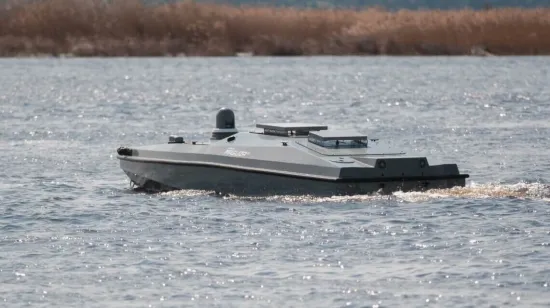
The US has stated that it will not be able to intercept all Iranian Shahed drones

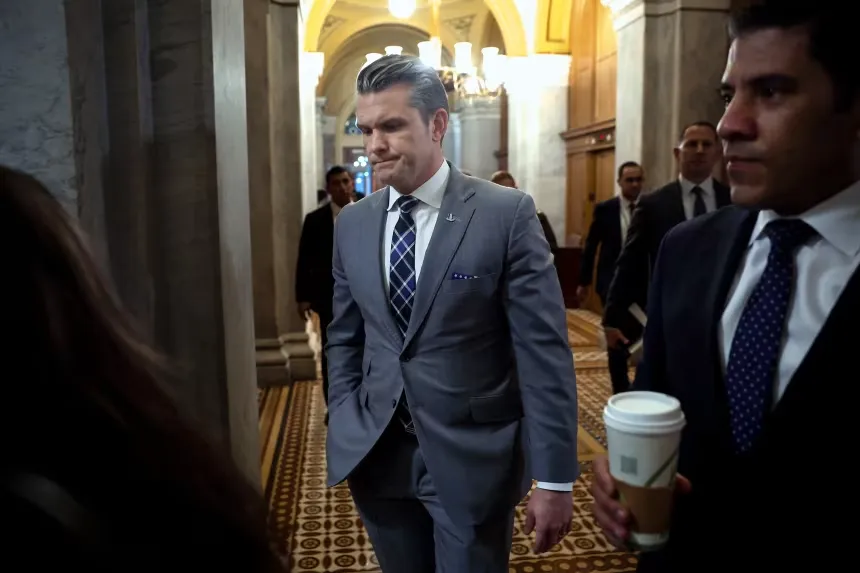
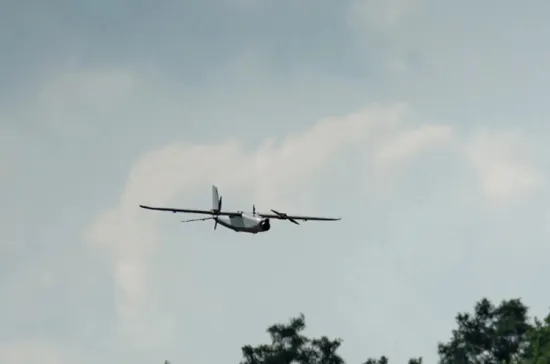
During a closed briefing for lawmakers on Capitol Hill, representatives of Donald Trump's administration stated that Iranian Shahed strike drones pose a significant challenge to American air defence systems. According to a participant in the briefing, officials reported that it would not be possible to intercept all such drones.
US Defence Secretary Pete Hagseth and Joint Chiefs of Staff Chairman General Dan Keane acknowledged that these drones pose a greater problem than expected. According to two sources, they explained that the drones fly low and slow, making them more difficult to detect and intercept than ballistic missiles.
Another source familiar with the briefing noted that officials tried to downplay concerns about the drone threat and pointed out that US partners in the Persian Gulf are stockpiling interceptors to counter such attacks.
The briefing took place against the backdrop of escalating tensions with Iran. The conflict is estimated to cause a global energy crisis and increase instability in the Middle East. President Donald Trump said on Tuesday that most of Iran's military facilities had been "destroyed" and that new strikes had been directed against the country's leadership.
According to the source, during the briefing, officials also responded to questions about the possible consequences for Iran. They stated that regime change was not the main goal of the operation. The officials reiterated the goals previously announced by Donald Trump. These include destroying Iran's missile capabilities and its fleet, ending its nuclear weapons programme, and preventing the supply of weapons to militant groups.
Officials did not say who might become Iran's next supreme leader. The previous supreme leader, Ayatollah Ali Khamenei, was killed last week during a US and Israeli operation. Donald Trump said that many potential successors were also killed during the operation. The process of selecting a new leader for the country is ongoing.
After the briefing, lawmakers had different assessments of the possible duration of the conflict. Republican Senator Tommy Tuberville of Alabama said that officials, including Secretary of State Marco Rubio, presented a forecast that US involvement in the war could end within three to five weeks.
At the same time, Missouri Senator Josh Hawley said that no clear timeline for the end of the conflict was given during the briefing. "It sounded to me like a very open-ended process," he said.
House Minority Leader Hakeem Jeffries also said that briefing participants suggested the war could last several weeks.
"There is no explanation as to what exactly prompted the decision to start this war in the absence of any evidence of an imminent threat to the United States or American interests in the region," Jeffries said.
His comments came amid concerns among Democrats about the amount of ammunition used in the conflict and the possible implications for US defence capabilities.
Arizona Senator Mark Kelly, who serves on the Senate Armed Services Committee, said resources are not unlimited.
"We don't have an unlimited supply. Iran is capable of producing large numbers of Shahed drones, medium- and short-range ballistic missiles, and has significant reserves," he said.
Responding to a question about whether the US actions could be called a war, House Speaker Mike Johnson called them an operation.
"This is a dangerous and important operation. We had to act because there was an imminent threat, but there was no declaration of war," Johnson said.
The US Congress did not vote to authorise war with Iran. This has drawn criticism from Democrats and some Republicans, who compare the situation to the wars in Afghanistan and Iraq, which were authorised by Congress.
Supporters of Donald Trump's actions among Republicans say the campaign against Iran resembles the US intervention in Libya under President Barack Obama, when there was also no congressional approval.
Legislative initiatives in the House of Representatives and Senate that would require the president to obtain congressional approval to continue the military campaign are not expected to gain support this week.