Holy Week 2026: the significance of each day and traditions
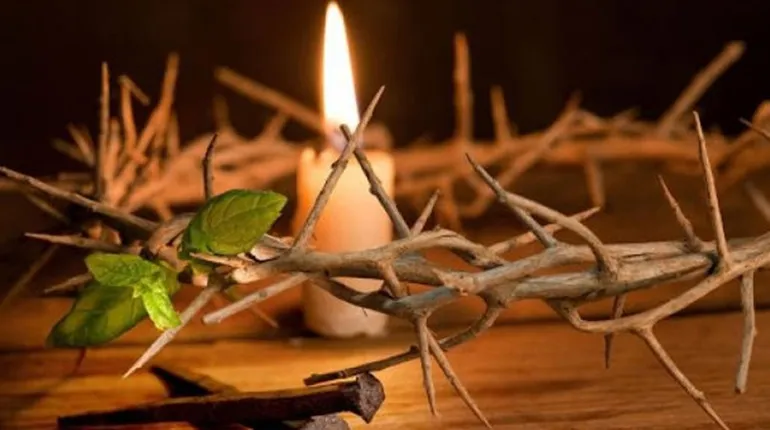
Holy Week is the final week of Lent before the feast of the Resurrection of Christ (Easter).
It holds special significance for Christians, as it is dedicated to commemorating the final days of Jesus Christ’s earthly life.
When is Holy Week 2026 in Ukraine according to the new calendar
Holy Week is the final week of Lent.
In 2026, Lent for Orthodox Christians began on 23 February and will last until 11 April.
Holy Week will run from 6 April to 11 May.
And on Sunday, 12 April, Easter will be celebrated.
The days of Holy Week and their significance
Every day of Holy Week has a special significance and is called Great. During this period, solemn services and preparations for Easter take place in churches.
Great Monday (6 April). On this day, believers commemorate Patriarch Joseph, whom his brothers sold into Egypt and told their father had been torn apart by wild beasts. Joseph became a prototype of the suffering Saviour. On the first day of Holy Week, the preparation of holy chrism begins, which is used for anointing after baptism. On Monday, it is also customary to clean and wash the house in preparation for Easter.
Holy Tuesday (7 April). On the second day of Holy Week, believers recall how Jesus rebuked the Pharisees and scribes, and his parables about the Last Judgement and the end of the world. Christians also finish minor household chores and prepare their homes, clothes, tablecloths and festive towels for Easter.
Holy Wednesday (8 April). Believers hold that it was on this day that Judas betrayed Christ for 30 pieces of silver. On Wednesday, Christians go to church and honour Mary Magdalene there. In churches, they recite the prayer with bows for the last time and go to confession. At home, believers prepare eggs for painting Easter eggs.
Maundy (Holy) Thursday (9 April). This day is considered to mark the institution of the first sacrament of the Eucharist, when, during the Last Supper, Jesus gave the apostles bread and wine. A special service, the ‘Twelve Passion Gospels’, is held in churches, where believers reflect on the sufferings of Christ. On this day, people also attend church and receive Holy Communion. At home, they begin to paint Easter eggs and bake Easter cakes, and it is customary to buy new clothes for the children.
Good Friday (10 April). The most sorrowful day of Holy Week. It is believed that on this Friday, Jesus Christ was crucified on Calvary. In churches, the shroud — an image of Christ lying in the tomb — is carried out from the altar. Anyone may approach and kiss it. This is a day of strict fasting; one may eat only after the shroud has been carried out.
Holy Saturday (11 April). This is a day of silence, when believers pray and reflect on the mystery of salvation. On the morning of Holy Saturday, the shroud is carried around the church. Throughout the day, the Easter food — eggs and Easter cakes — is blessed. At midnight, the solemn Easter service begins, after which the good news of Christ’s Resurrection is proclaimed. Lent comes to an end.
What is forbidden during Holy Week
Holy Week marks the end of Lent before Easter, so the strictest prohibitions apply during this period.
During these days, you must not:
- break the fast or indulge in excessive merriment;
- argue, shout or cause a scene;
- engage in heavy physical labour;
- get married or celebrate a wedding;
- refuse to help anyone;
- commemorate deceased relatives;
- perform baptisms.
What you can and cannot eat during Holy Week
In the days leading up to Easter, Christians must observe strict dietary restrictions. Priests advise consuming only plant-based foods.
During Holy Week, one must refrain from:
- meat and fish dishes,
- eggs,
- milk,
- butter,
- other dairy products.
Permitted:
- vegetables,
- vegetable oil,
- lean bread.
At the same time, believers are advised to take their health into account when choosing what to eat. In particular, certain concessions or a complete exemption from physical fasting are permitted for those for whom fasting could be harmful.
This applies primarily to:
- children,
- pregnant
- and nursing mothers,
- the sick,
- servicemen,
- people engaged in heavy physical labour.