Talks between the US and Iran in Doha on a peace agreement have been described as positive

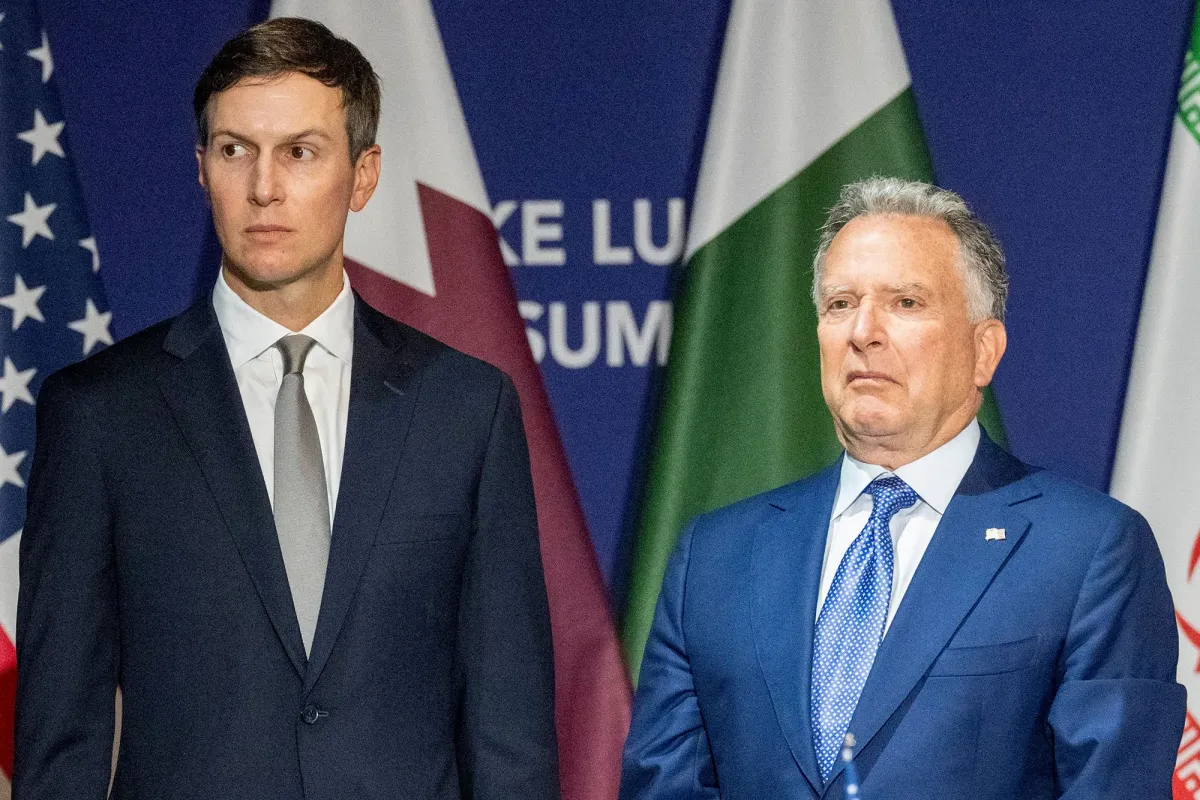
US negotiators Steve Witkoff and Jared Kushner held constructive talks in Doha regarding a possible agreement with Iran. The US has reported progress in technical consultations between the parties, according to Bloomberg.
Both US representatives were in the Qatari capital on Tuesday as part of indirect talks between Washington and Tehran. Following the signing of an interim agreement last month, the parties were given a 60-day period to negotiate a final settlement.
The negotiation process has been complicated by a series of incidents in the Strait of Hormuz and discussions regarding the future management of this strategically important maritime route.
According to AFP, talks between US and Iranian representatives via intermediaries continued on Wednesday. However, Steve Witkoff and Jared Kushner did not take part in these consultations.
At the end of last week, the US and Iran agreed to halt the renewed attacks in the Strait of Hormuz area. However, the issue of control over the strait remains unresolved. Iranian state television reported that a foreign vessel had run aground whilst following an unauthorised route.
Qatari officials had previously expressed cautious optimism about the prospects for a new round of talks and emphasised that there would be no direct meetings between the American and Iranian sides.
Among the key unresolved issues remains the future management of the Strait of Hormuz, through which, prior to the war, around a fifth of global oil and liquefied natural gas supplies passed.
Iran insists on a certain level of control over maritime traffic in the strait and is open to the possibility of introducing transit fees for ships.
The US, European countries and most Arab states in the Persian Gulf oppose such charges. The interim agreement stipulates that Iran will not levy transit fees for 60 days; however, once this period ends, the issue remains unresolved.
The Strait of Hormuz was largely closed from the start of the US-Israeli strikes on Iran in late February until the conclusion of last month’s temporary peace agreement. This led to a surge in energy prices and supply disruptions.
Amid expectations that the ceasefire will hold, the price of Brent crude fell by 1.2 per cent to just over $72 per barrel.
Other issues still under discussion include the possible unfreezing of billions of dollars’ worth of Iranian assets and the future of Iran’s nuclear programme.