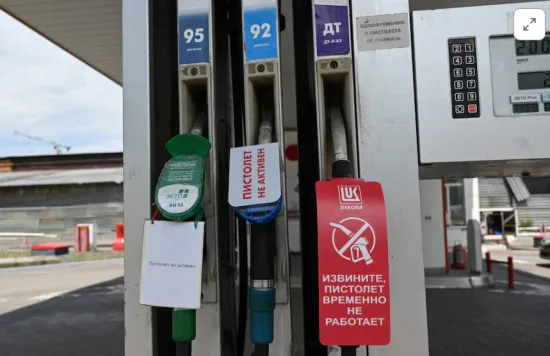
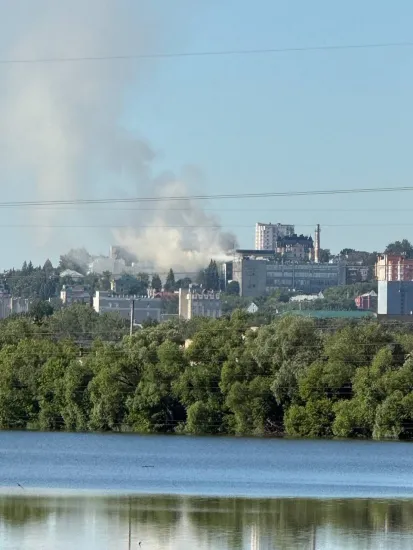
The fuel crisis in Russia has affected almost all regions

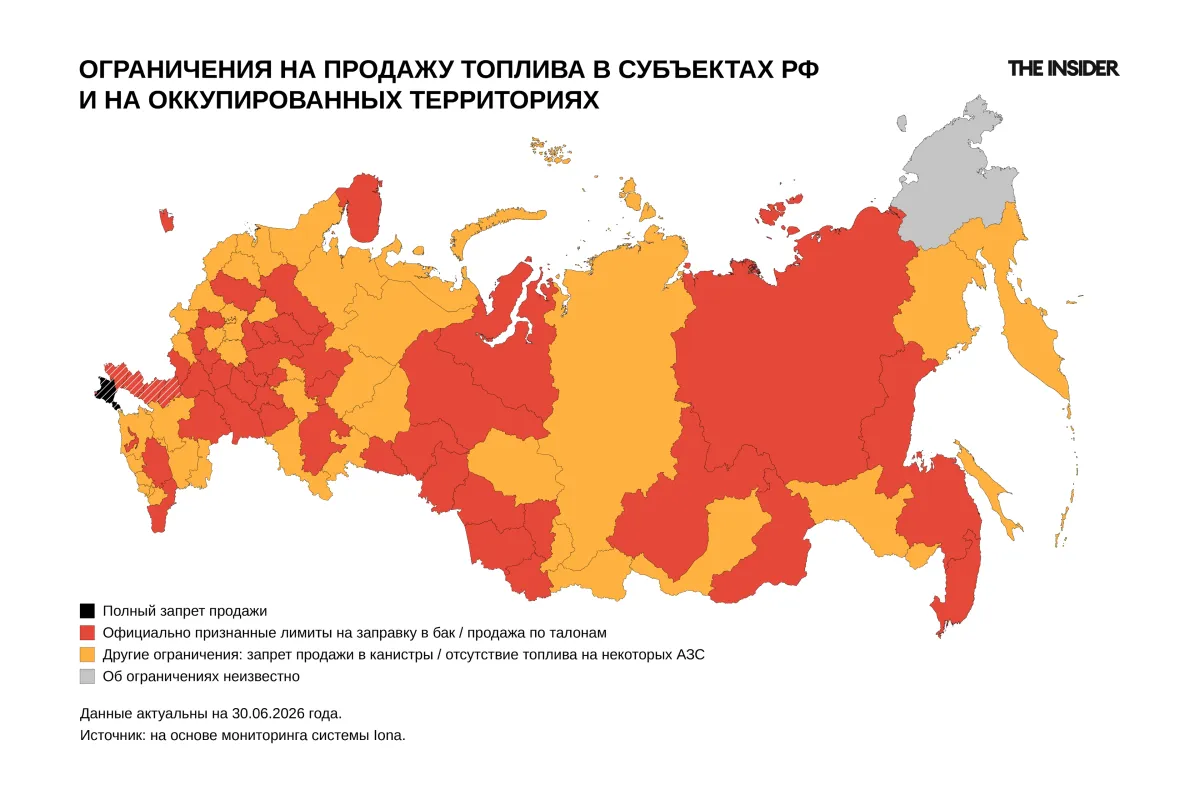
As of 30 June, fuel shortages, restrictions or disruptions to fuel sales had been reported in 88 of the 89 regions under Russian control. The Chukotka Autonomous Okrug remains the only region for which there is no data on restrictions, according to The Insider.
The day before, Vladimir Putin publicly acknowledged the fuel shortage in Russia for the first time. He stated that strikes on energy infrastructure were causing problems, but described the situation as non-critical.
Against this backdrop, the Russian authorities have confirmed negotiations with other countries regarding possible fuel supplies. Meanwhile, three regions have already officially introduced a state of heightened readiness due to the situation on the fuel market.
On 30 June, temporary restrictions on the retail sale of fuel were introduced in the Altai Republic. In Gorno-Altaysk, the Mayminsky and Chemalsky districts, a limit of 30 litres of petrol and 50 litres of diesel was set. In other districts, sales of up to 50 litres of petrol and 100 litres of diesel are permitted. Sales into jerrycans have also been limited to 10 litres. These restrictions do not apply to emergency services.
A state of heightened alert has been declared in the Penza Region. Restrictions on petrol sales have been in place in the region since 23 June. The Penza Region has become the third region, after the Irkutsk Region and the Trans-Baikal Territory, to introduce such a regime.
In Bashkortostan, short-term restrictions on the sale of fuel have been introduced. At petrol stations, a limit of 30 litres of petrol per vehicle has been set, and the sale of fuel in jerrycans has been banned.
In the Bryansk Region, restrictions have been partially eased. Residents of border areas have been allowed to purchase up to 20 litres of fuel in jerrycans for generators. At federal petrol stations, owners of garden machinery are also permitted to fill jerry cans with up to 10 litres of petrol. At the same time, the authorities have acknowledged that the situation remains difficult, with queues persisting at some petrol stations.
In the Slavyansk District of the Krasnodar Krai, restrictions have been tightened. At all operating petrol stations, fuel is dispensed only into the vehicle’s fuel tank. The limit is 20 litres of petrol or 60 litres of diesel per vehicle.
In Sevastopol, according to the local occupying authorities, the restrictions will remain in place for at least another month. Currently, in the city, no more than 20 litres per vehicle can be purchased using a QR code. In occupied Crimea, it has also been stated that large volumes of fuel are not expected to be available for sale in the near future.
Despite the scale of the crisis, most regional authorities are avoiding drawing a direct link between the fuel shortage and the strikes on Russian oil refining infrastructure. Only a few officials have openly linked the restrictions to the attacks on oil refineries.
In a number of regions, the shortage is attributed to refinery maintenance, technical faults, seasonal increases in demand or panic buying amongst motorists. In some regions, it is claimed that residents of neighbouring regions are actively buying up fuel.
Against the backdrop of the crisis, Russia is also reducing the volume of publicly available statistics on fuel prices. It has emerged that Rosstat will cease publishing weekly bulletins on the dynamics of petrol and diesel prices.
Previously, this data allowed for the prompt monitoring of the scale of fuel inflation. During the week of 16–22 June, average petrol prices in Russia rose by 3 per cent.
In addition, the Russian government is discussing the possibility of temporarily permitting the sale of ‘Euro 2’ standard fuel, which has been banned in the country since 2013.