In Mykolaiv, a man was held at the TCC for 18 days so that his ribs, which had been broken during mobilisation, could heal — Ombudsman

Lubinec spoke about this during a press conference.
The Ombudsman recalled that in Zakarpattia, dozens of people had been found to have been detained without any legal grounds, despite the fact that even an initial medical examination had indicated that the men had health problems. One of them had been held for almost 50 days.
Also, according to Lubinets, a demobilised veteran was found at the TCC in Zakarpattia: “He had been through Bakhmut and was carrying his veteran’s ID card. Even that did not stop the TCC staff from physically detaining him and then refusing to let him go anywhere.”
In Mykolaiv, representatives of the Ombudsman received information about a man who had been detained and severely beaten.
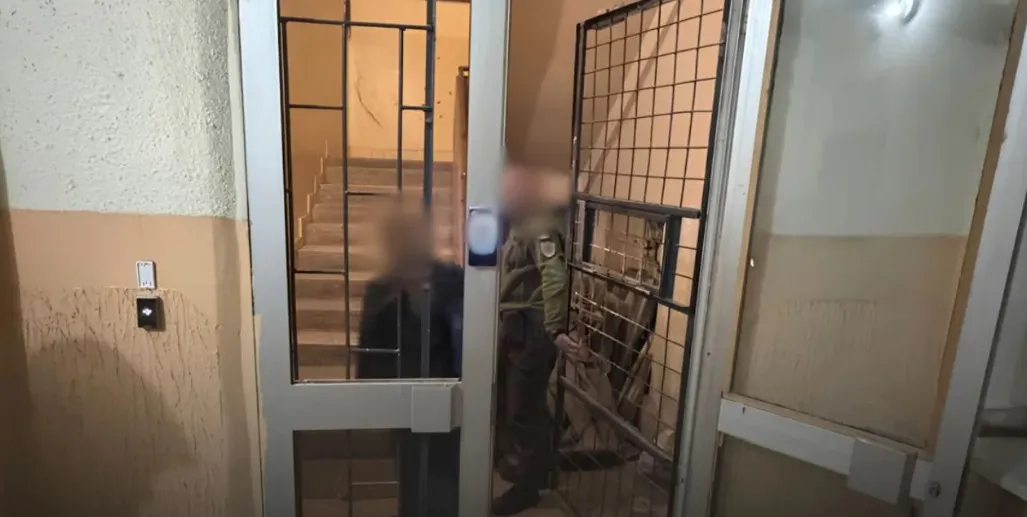
“We carried out a monitoring visit and did indeed find a man who had been held in the premises of the Mykolaiv Military Registration and Enlistment Centre and the Special Forces for 18 days. What’s more, when we began reviewing the documents, it turned out that the man is already an active-duty serviceman. When we asked how he could still be in that building rather than having been sent to his military unit as ordered, we were told: he had broken ribs during mobilisation — they were waiting for the ribs to heal. And only after that were they planning to send him to his military unit in the future. And this despite the fact that they had medical board documents stating that he was completely healthy and fit for service,” said Lubinets.
In the town of Chortkiv in the Ternopil region, the Ombudsman’s Office found a man who had been mobilised despite being diagnosed with type 2 diabetes, stage 2 hypertension, grade 4 obesity and psoriasis. According to Lubinets, the man was mobilised on 4 June and sent to a training ground, but just two days later he was admitted to hospital with a hypertensive crisis.
“The man is currently receiving treatment as a member of the armed forces, with the state covering the costs. When this matter was raised, all the documents showed that the man was completely healthy,” said the Ombudsman.
In another case, during a monitoring visit to the training ground, the ombudsman’s representatives discovered that a conscript with HIV was on kitchen duty.
“We asked: ‘How on earth can you be here with your diagnosis?’ He said that every morning, when he reported for duty, he would declare his medical condition and was forbidden from touching anything that could potentially spread the disease to other soldiers. Do you know what the reaction was? None whatsoever. We looked into the documents relating to his mobilisation. Note: the Medical Examination Commission’s decision stated he was ‘completely healthy’. These are not isolated cases,” said Lubinets.
The Ombudsman criticised the ‘quota-based system’ of mobilisation, whereby people are called up simply to meet the required numbers, without taking into account the benefit they might bring to the army. Lubinec stated that he had already initiated several internal closed-door meetings on mobilisation, to which representatives of the highest military leadership were invited, and had provided recommendations; however, from 2025 onwards, he decided to speak publicly about cases of violations.
“I am forced to acknowledge that the only mechanism that has any effect whatsoever on this issue is public scrutiny. I made this decision in 2025. Even though we publicly disclose only about 1 per cent of what we uncover. We are well aware that Russian propaganda picks up on many things, but we certainly will not turn a blind eye,” said Lubinets.
He noted that “the situation is changing” and that in 2026 there has been a response from law enforcement agencies, with dozens of criminal investigations opened by the State Bureau of Investigation, the Military Law Enforcement Service, the Specialised Military Prosecutor’s Office, the Security Service of Ukraine and the National Police.
Follow us on Telegram