The aviation industry has warned of the risk of losing maintenance infrastructure due to pressure from the ESBU

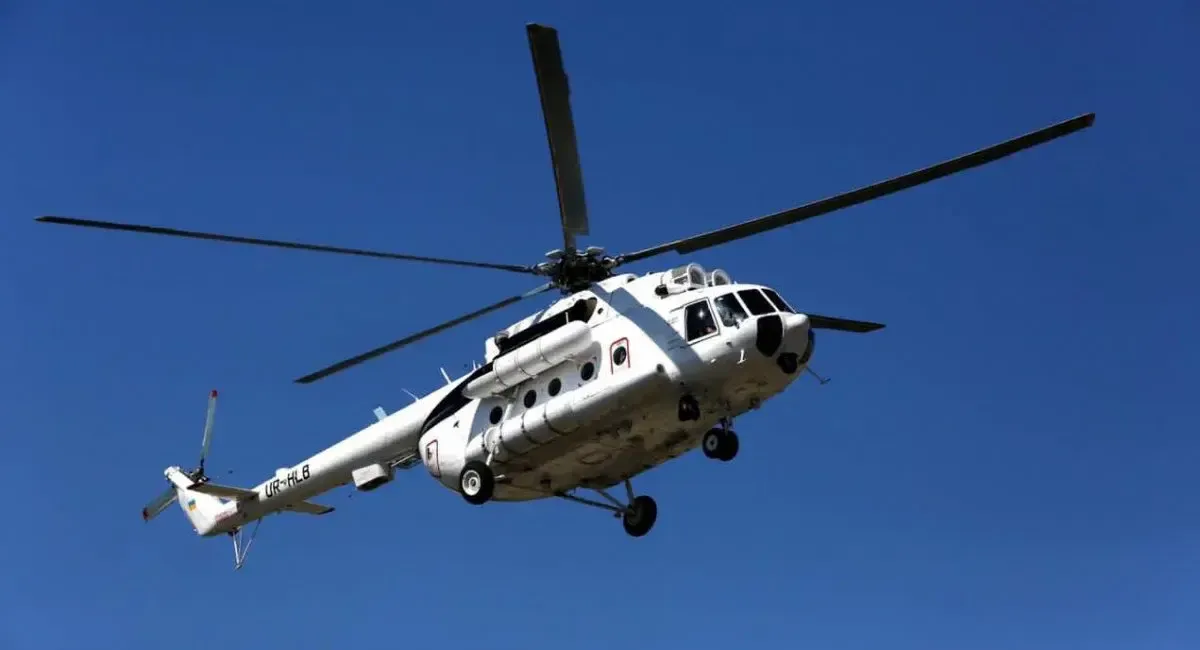
Representatives of the aviation industry state that, following the closure of Ukrainian airspace, civil airlines were forced to relocate their operations abroad, yet continued to retain Ukrainian staff, technical bases and aircraft maintenance facilities.
According to them, it is precisely thanks to the existence of the civil aviation sector in Ukraine that private aircraft repair companies, certified technical centres and engineering services continue to operate, providing repair and maintenance for military aircraft.
Additional leasing levy from the Economic Security Bureau of Ukraine
Meanwhile, UNN reports that the Bureau of Economic Security is opening criminal proceedings against Ukrainian airlines that lease aircraft from non-residents of Ukraine.
This involves applying a 15% tax to such transactions as a ‘royalty’. Investigators believe that the airlines should have paid a fee for the use of intellectual property.
It should be noted that there are double taxation avoidance agreements in place between Ukraine and a number of countries, under which taxes are paid in the countries where the lessor companies are registered.
According to UNN, at least five companies have come under pressure from the ESBU: UIA, ‘Constanta Airlines’, ‘Urga’, ‘N3OPEREISHINS’ and ‘Skyline’. A similar approach is being applied to other sectors, in particular to rail transport and agricultural machinery, which are leased.
Legislation on the taxation of leasing in Ukraine has remained unchanged for over 30 years, and the new interpretation came into effect following the publication by the State Tax Service of Ukraine on 24 May 2024 regarding the taxation of airlines’ leasing operations.
Mykola Shcherbyna, Executive Director of the Ukrainian Air Transport Association, stated that this practice creates uncompetitive conditions for Ukrainian airlines.
“I would say that our airlines are effectively forced to pay a surcharge for operating under the Ukrainian flag,” said Shcherbyna.
Aircraft maintenance companies under pressure
Market experts claim that Ukraine’s civil and defence aviation infrastructure is effectively a single technological system.
According to them, the same engineers, production sites and equipment are used for both civil and military aviation. Against this backdrop, the actions of the State Aviation Administration and the overt pressure on the aviation industry appear particularly dangerous.
If airlines cease operations, repair bases and technical centres that currently provide aircraft maintenance for the security and defence sector may start to shut down.
The authors pay particular attention to the issue of personnel. Training engineers in engine repair, avionics and flight control systems takes years, and if they lose their jobs, specialists may leave the country.
Civil aviation is effectively maintaining Ukraine’s aviation expertise during the war, as the state lacks a separate, fully-fledged system for funding all aircraft maintenance facilities.
Furthermore, Ukrainian airlines continue to carry out humanitarian, logistical and special missions abroad, including on behalf of the UN.
Ukraine’s main competitor in the race for UN contracts is Russia, and securing such contracts helps deprive the Russian side of additional sources of income.
The aviation industry states that the issue of preserving civil aviation in wartime is directly linked to national security and the maintenance of aircraft repair infrastructure.
The destruction of airlines would automatically lead to the deterioration of the maintenance base, without which military aviation would simply have nowhere to undergo servicing and repairs. In wartime, it is important to consolidate all efforts aimed at strengthening the defence industry and preserving additional sources of income, rather than so blatantly jeopardising national security.
As previously reported by ThePublic, Ukrainian MP and Chair of the Verkhovna Rada’s Finance Committee Danylo Getmantsev announced a committee meeting to hear the ESBU’s report.