The Coalition of the Willing is to hold its first exercises in Poland: what is being prepared for Ukraine

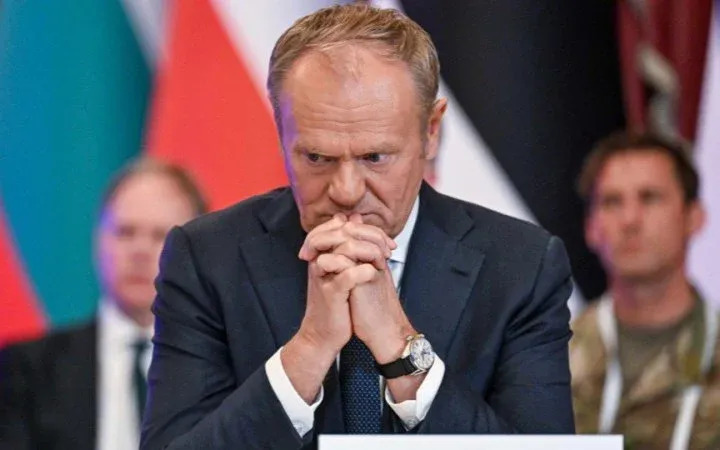
This was announced by Polish Prime Minister Donald Tusk following a meeting of the leaders of the Coalition of the Willing in Paris, according to Polsat News. The decision to hold the exercises was one of the practical outcomes of the summit.
Who will take part in the exercises
Tusk confirmed that French and British military personnel would take part in the first manoeuvres. The venue, the size of the contingents, the scenario and the exact dates of the exercises have not yet been made public.
Poland is to provide the necessary logistical support to the allied forces. The command in Bydgoszcz has already been involved in the preparations, although the Polish Prime Minister did not specify which military unit was involved.
According to Tusk, Warsaw is also making organisational and financial preparations for a possible permanent presence of European military forces on Polish territory. American and other allied units are already stationed in the country, and following the Paris agreements, they may be joined by French and British forces.
Why are the manoeuvres being held?
The exercises are intended to prepare the Coalition of the Willing to fulfil security guarantees for Ukraine and the states of the region following a possible ceasefire or the conclusion of a peace agreement.
Participants at the Paris summit stated that the future guarantees must be politically and legally binding. They are planned to be activated once the ceasefire comes into effect, in order to prevent a new Russian attack and ensure stability in Europe.
This involves the preparation of the Multinational Force for Ukraine, or MNF-U. Under the Coalition of the Willing’s plan, once hostilities have ceased, they will be able to assist in rebuilding Ukraine’s military capabilities and provide support on land, in the air and at sea.
The deployment of such forces is possible only after a reliable ceasefire has been established and at Ukraine’s request. The autumn manoeuvres in Poland are intended to demonstrate whether this force is capable of operating according to the planned scenario.
Poland could become the main logistics hub
Warsaw has repeatedly stated that its main contribution to future security guarantees will be providing logistics and defending NATO’s eastern flank.
A significant proportion of military aid to Ukraine passes through Poland. The country can facilitate the deployment of troops, equipment and supplies, as well as provide allies with the infrastructure to prepare and coordinate operations.
Tusk emphasised that the possibility of a new escalation by Russia remains. That is precisely why Poland is keen to have not only American but also French and British troops stationed on its territory.
What was decided at the Paris summit
The meeting of the Coalition of the Willing took place on 13 July in Paris, attended by Ukrainian President Volodymyr Zelenskyy. It was co-chaired by French President Emmanuel Macron, British Prime Minister Keir Starmer and German Chancellor Friedrich Merz.
The leaders discussed operational planning for security guarantees, further arming of Ukraine, the development of joint defence production and increasing pressure on Russia.
The coalition countries also agreed to increase supplies of air defence systems, interceptor missiles and long-range weapons. A separate focus will be on countering Russia’s shadow fleet and the exchange of intelligence between partners.
Follow us on Telegram.