Ukraine is ready to open all clusters with the EU — Kos

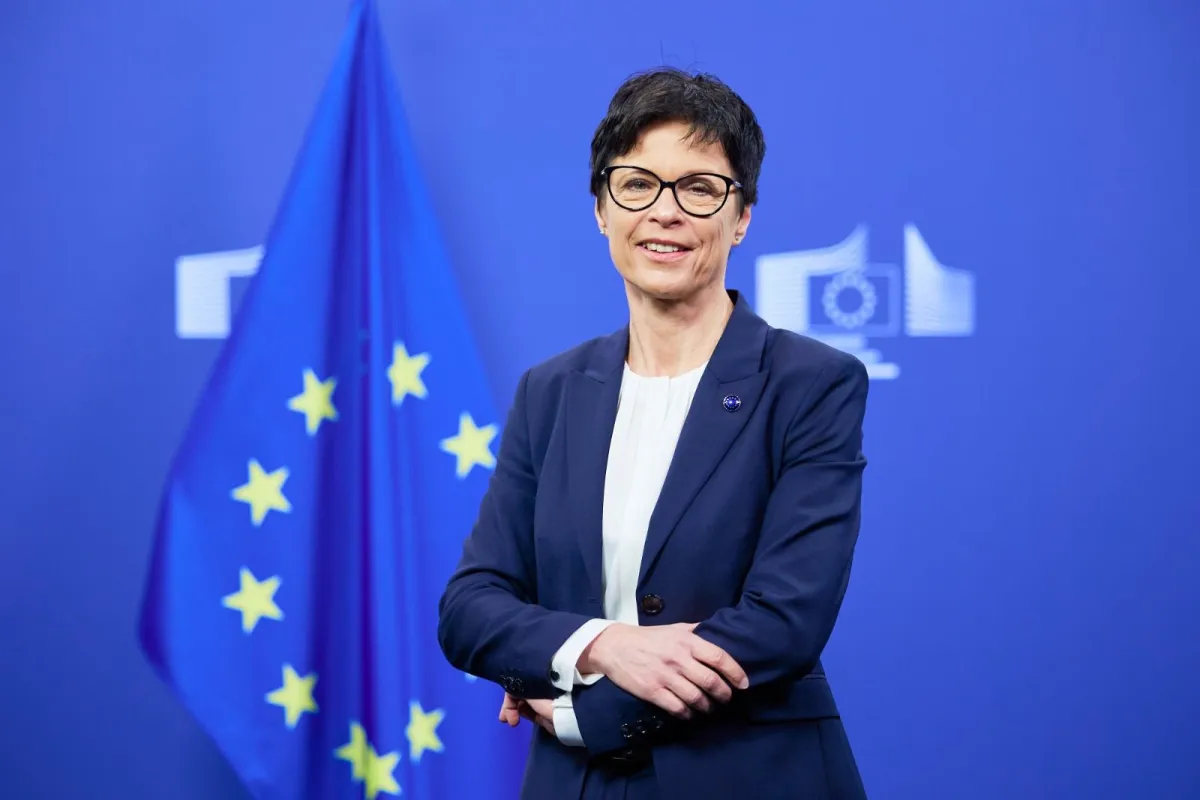
This was stated by Marta Kos, European Commissioner for Enlargement, during a briefing with journalists on 14 July.
According to Kos, the European Commission has already completed the necessary technical preparations. Following the opening of the ‘External Relations’ cluster, scheduled for 14 July, Ukraine and Moldova will have four more thematic negotiation blocks to open.
When might the remaining clusters be opened?
The European Commissioner explained that further decisions must be taken by the EU Member States. The formal opening of each cluster requires the consent of all Member States.
Even if a political decision is delayed, Ukraine will continue its technical work: adapting legislation, preparing negotiating positions and implementing the reforms necessary for future membership.
To speed up the process, the EU and Ukraine previously applied the so-called ‘front-loading’ mechanism. This allows preparatory work to be carried out on negotiation tracks even before they are officially opened, so that once a political decision has been taken, the parties can move straight on to substantive negotiations.
Back in December 2025, the European Commission officially announced that all six clusters for Ukraine were ready to be opened. The assessment of the compliance of Ukrainian legislation with EU standards was completed in September 2025.
Which cluster is opening on 14 July
The third Intergovernmental Conference between Ukraine and the European Union is scheduled to take place in Brussels on 14 July. Negotiations on Cluster No. 6, ‘External Relations’, are due to open at this conference.
It covers two negotiation chapters:
Chapter 30 — External Relations;
Chapter 31 — Foreign, Security and Defence Policy.
During the negotiations, the compliance of Ukraine’s trade and foreign policy with EU rules will be assessed, as well as its participation in international agreements, sanctions policy, export controls, and the alignment of positions in the field of security and defence.
The decision to open this cluster was agreed by the permanent representatives of the EU member states on 10 July. It will be the second officially opened cluster in the negotiations with Ukraine.
The first cluster — ‘Fundamentals’ — was opened on 15 June 2026. It covers the rule of law, fundamental rights, public administration reform, the functioning of democratic institutions and economic criteria.
Which clusters remain
Following the opening of the ‘External Relations’ cluster, Ukraine will still need to begin negotiations on four further clusters:
‘Internal Market’;
‘Competitiveness and Inclusive Growth’;
‘Green Agenda and Sustainable Transport’;
‘Resources, Agriculture and Cohesion’.
In total, EU legislation is divided into 33 negotiating chapters, grouped into six clusters. The opening of all these clusters does not mean automatic accession to the EU: Ukraine will need to meet the established criteria, agree on each chapter and secure the unanimous support of the member states.
What Kos said about Ukrainian reforms
The European Commissioner noted that Ukraine is aware of the list of tasks required to continue the negotiations. Some of these commitments are contained in the so-called Kachka–Kos plan and, at the same time, form part of a broader reform agenda.
The plan was agreed in December 2025 by European Commissioner Marta Kos and the then Deputy Prime Minister for European Integration, Taras Kachka. It sets out ten priorities in the areas of the rule of law, the judiciary and the fight against corruption, which Ukraine has committed to implementing during 2026.
Kos expressed the hope that, following the formation of a new Ukrainian government, the implementation of reforms would receive a further boost. The European Commission will continue to monitor the commitments falling under the ‘Foundations’ cluster.
It is this cluster that is opened first and closed last. Insufficient progress on issues of democracy, justice, anti-corruption policy and public administration could stall negotiations in other areas.
Follow us on Telegram.