The fuel crisis in Russia is gathering pace: will the Kremlin be able to avoid a shortage?

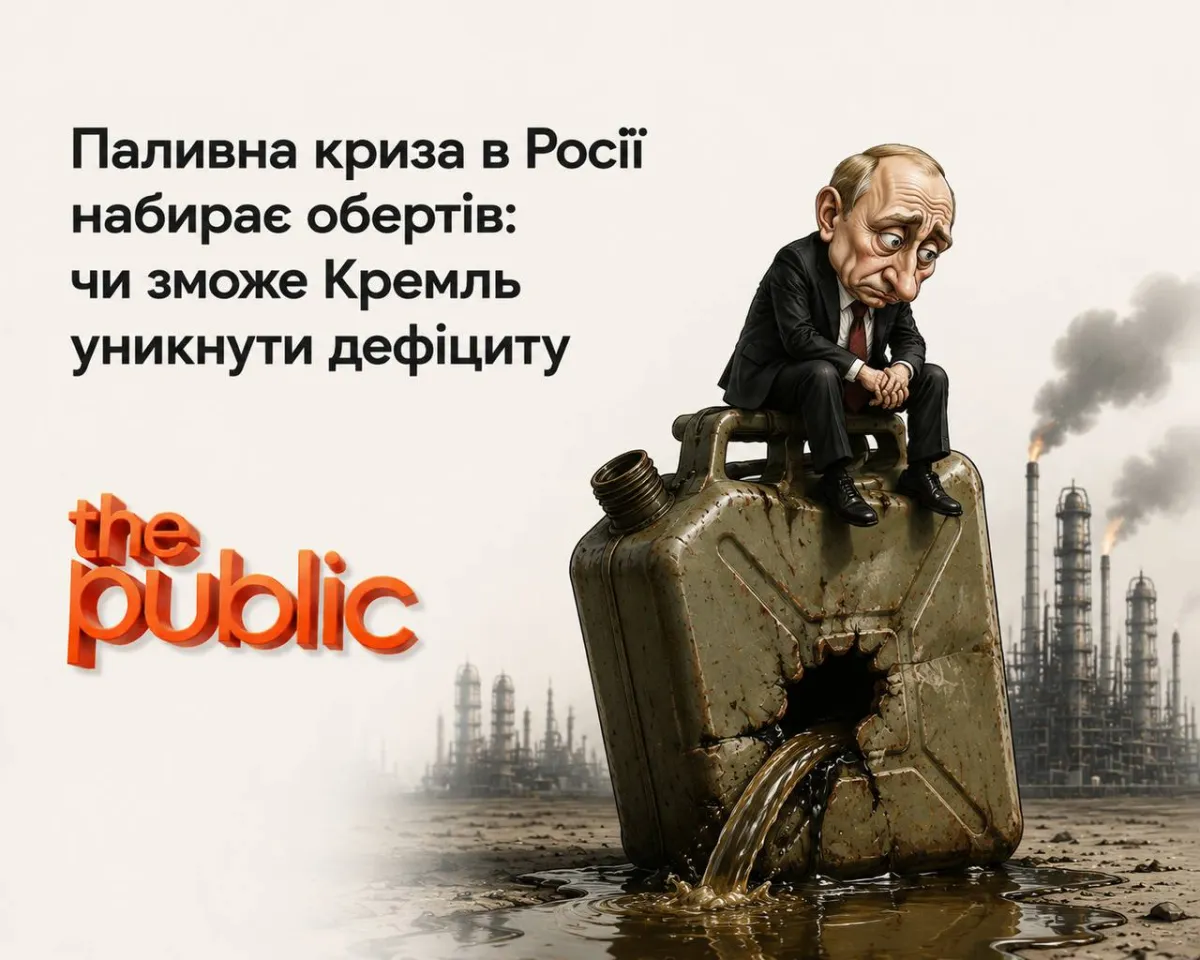
This is discussed in an analysis by ‘Ekonomichna Pravda’
Ukraine is continuing its campaign of strikes against Russian oil infrastructure. Whilst such attacks initially had a predominantly symbolic effect, their consequences are now having an increasingly significant impact on the Russian economy and the domestic fuel market.
According to the study, between 2022 and mid-June 2026, 121 strikes were recorded against 99 oil infrastructure facilities in the Russian Federation. Twenty-five oil refineries and dozens of other facilities, including oil depots, storage tanks and pipeline infrastructure, were targeted.
The attacks became particularly intense in 2026. In the first half of the year, 38 strikes were recorded, accounting for almost a third of all attacks since the start of the full-scale war.
What consequences is Russia already feeling?
According to the study’s authors, the Kremlin has already been forced to restrict exports of petrol and aviation fuel, and is considering further restrictions on diesel fuel.
Oil refining in May fell to its lowest level in 16 years – to 4.58 million barrels per day. At the same time, nearly a third of Russian refineries’ capacity is currently offline.
Petrol shortages have already been reported in around 25 regions of Russia, including Moscow and St Petersburg. Some petrol stations have imposed restrictions on fuel sales, and motorists are facing queues.
How fuel prices have changed
Since the start of 2026, petrol prices in Russia have risen by 28–34 per cent, whilst diesel has gone up by 43 per cent. The cost of aviation fuel has also reached record levels.
Against this backdrop, the Russian authorities have allowed certain refineries to temporarily produce lower-quality fuel to cover the shortfall. In particular, the requirements regarding sulphur content in petrol and diesel have been relaxed.
The situation in occupied Crimea
According to the study, fuel shortages are also being observed on the occupied peninsula.
As of mid-June, some petrol stations belonging to Crimea’s two largest chains were out of A-95 petrol or diesel. Even where fuel was technically available, it was often sold only in exchange for vouchers or fuel cards.
Could the crisis escalate?
Serhiy Kuyun, director of the ‘A-95’ consultancy group, believes that the main difficulties for the Russian market may still lie ahead, as the peak of seasonal fuel consumption traditionally falls at the end of summer.
Experts also highlight logistical problems. Due to damage to refineries, fuel has to be transported from other regions, which increases costs and complicates supply.
At the same time, analysts note that Russia still retains considerable resilience thanks to its large production capacity, state regulation and the administrative allocation of resources.
What the experts are forecasting
Experts interviewed by “Economic Truth” believe that regular strikes on oil infrastructure continue to put serious pressure on the Russian fuel system.
In their view, if the intensity of the attacks continues, localised fuel shortages could develop into more systemic problems for the Russian market by the end of 2026. However, these are currently expert assessments rather than a confirmed scenario of how events will unfold.
Follow us on Telegram