The IEA has lowered its forecast for oil production in Russia following attacks on energy infrastructure

The International Energy Agency has lowered its forecast for oil production in Russia due to attacks on the country’s energy infrastructure. This is stated in the agency’s monthly review, according to Reuters.
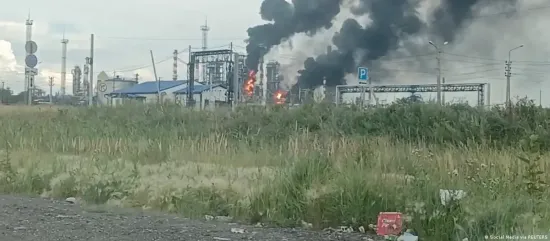
The IEA noted that strikes on oil refineries, fuel storage facilities and transport infrastructure are leading to lower production expectations. Consequently, the forecast for Russian oil supply has been reduced by 85,000 barrels per day for 2026 and by 150,000 barrels per day for 2027. According to the agency’s forecast, average production over the forecast period will stand at 8.8 million barrels per day.
The IEA estimates that oil production in Russia, the world’s third-largest producer, will stand at 8.9 million barrels per day in 2026 and 8.8 million barrels per day in 2027. By way of comparison, this figure is estimated at 9.2 million barrels per day in 2025.
Meanwhile, in June, crude oil production in Russia rose by 120,000 barrels per day compared with May, reaching 8.86 million barrels per day. According to the agency, this is 900,000 barrels per day below the quota set by the OPEC+ group of countries.
The IEA also noted that attacks on oil refineries contributed to an increase in Russian crude oil exports. According to industry sources, shipments from Russia’s western ports reached record levels in June and are expected to remain at the same level in July.
According to the sources, exports via the Baltic ports of Primorsk and Ust-Luga, as well as via the Black Sea port of Novorossiysk, totalled nearly 3 million barrels per day in June.
Total crude oil exports from Russia in June, according to IEA estimates, rose by 620,000 barrels per day compared with May, reaching 5.8 million barrels per day. At the same time, exports of petroleum products fell by 230,000 barrels per day to 1.91 million barrels per day.
This week, Russia introduced a ban on diesel fuel exports, adding to the existing restrictions on the sale of petrol and aviation fuel abroad. It is noted that these measures are aimed at addressing fuel shortages in the domestic market.