The ISW has explained why Russia has launched nuclear exercises at this particular time

Зміст
This is stated in a report by the Institute for the Study of War (ISW).
What is known about Russia’s nuclear exercises
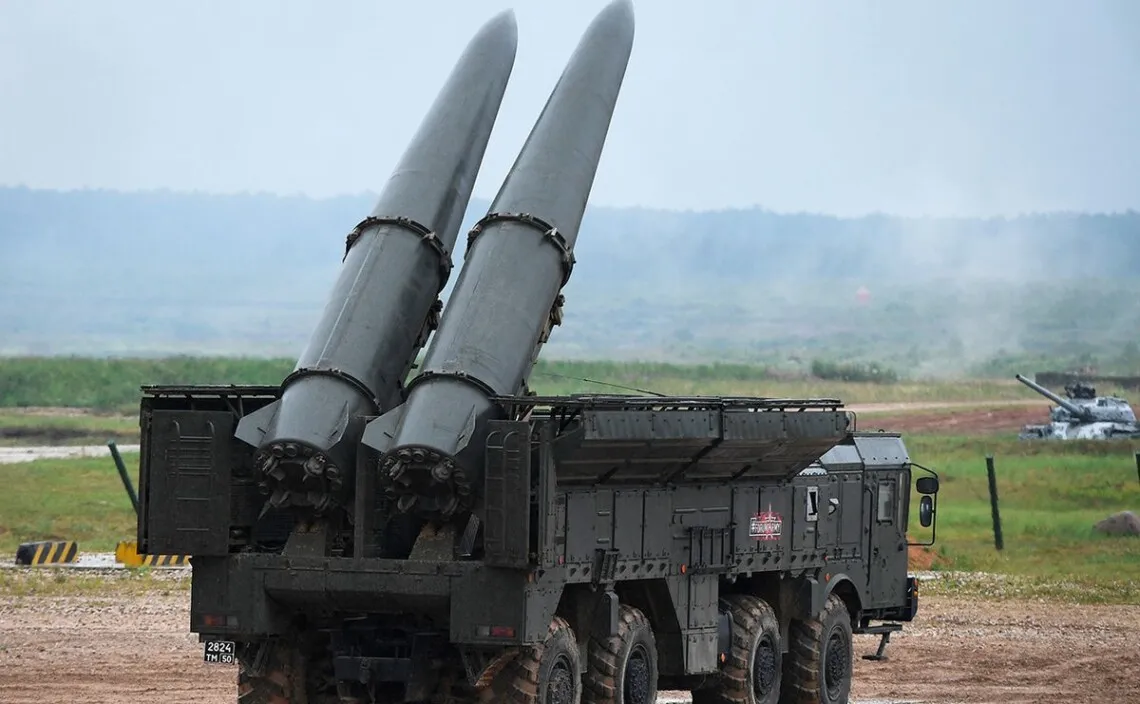
On 19 May, the Russian Ministry of Defence announced that large-scale exercises on the preparation and use of nuclear forces would be held from 19 to 21 May in response to an alleged “threat of aggression”.
The following units were involved in the manoeuvres:
- Strategic Missile Forces;
- The Northern and Pacific Fleets;
- the Long-Range Aviation Command;
- selected units from the Leningrad and Central Military Districts.
According to the Russian Ministry of Defence, more than 64,000 military personnel and over 7,800 pieces of equipment are taking part in the exercises, including:
- over 200 missile launchers;
- over 140 aircraft;
- 73 surface ships;
- 13 submarines, including eight strategic missile carriers.
- The Russian occupiers have also announced the launch of ballistic and cruise missiles at test sites within the Russian Federation.
According to the BBC’s Russian Service, citing the ‘Bulletin of Atomic Scientists’, the manoeuvres may involve the majority of Russia’s approximately 320 intercontinental ballistic missile launchers capable of carrying nuclear weapons.
Belarus has been involved in the exercises
The Russian Ministry of Defence also stated that joint operations are being practised using Russian nuclear weapons stationed on Belarusian territory.
The day before, on 18 May, the Belarusian defence ministry announced the start of joint Russian-Belarusian nuclear exercises.
Analysts note that Russia had not previously announced such manoeuvres for May. Usually, these exercises, unofficially known as ‘Grim’, take place in the autumn – in October.
The last time the Russian army conducted unexpected nuclear exercises was in the summer of 2024. At that time, they involved tactical nuclear weapons.
What the ISW says
Analysts at the Institute for the Study of War believe that Moscow is attempting to use the exercises to exert psychological pressure on NATO.
“Russian forces are likely conducting surprise nuclear exercises from 19 to 21 May and reinforcing long-standing narratives aimed at influencing NATO decision-making and masking Russia’s own weaknesses,” the experts noted.
The ISW emphasises that Russian forces have not yet achieved significant results in their spring-summer offensive of 2026.
At the same time, the Ukrainian Defence Forces have managed to challenge the tactical initiative on several sections of the front and are delivering increasingly significant strikes against Russian rear facilities.
The Kremlin is once again threatening NATO
Against the backdrop of the exercises, Russian Deputy Foreign Minister Sergei Ryabkov spoke of an alleged “direct clash” between Russia and NATO with “catastrophic consequences”.
He also accused the Alliance countries of “nuclear provocations” and stated that the Russian military is taking NATO’s nuclear capabilities into account.
The ISW believes that with such statements, the Kremlin is attempting to employ information warfare tactics to weaken the unity of Ukraine’s allies and reduce support for Kyiv.
As a reminder, Russia has announced the start of three days of large-scale exercises focusing on the preparation and use of nuclear weapons.
The Kremlin stated that the aim of the manoeuvres is to test the readiness of the troops and allegedly to “deter the enemy”.
Belarus has also been involved in the exercises, although Minsk has no actual access to nuclear weapons.
The Ukrainian Ministry of Foreign Affairs has already responded to the joint manoeuvres by Moscow and Minsk.