The Russian elite are considering how to move their money out of the country and leave, anticipating an escalation of the war following Ukraine’s strikes deep into Russia

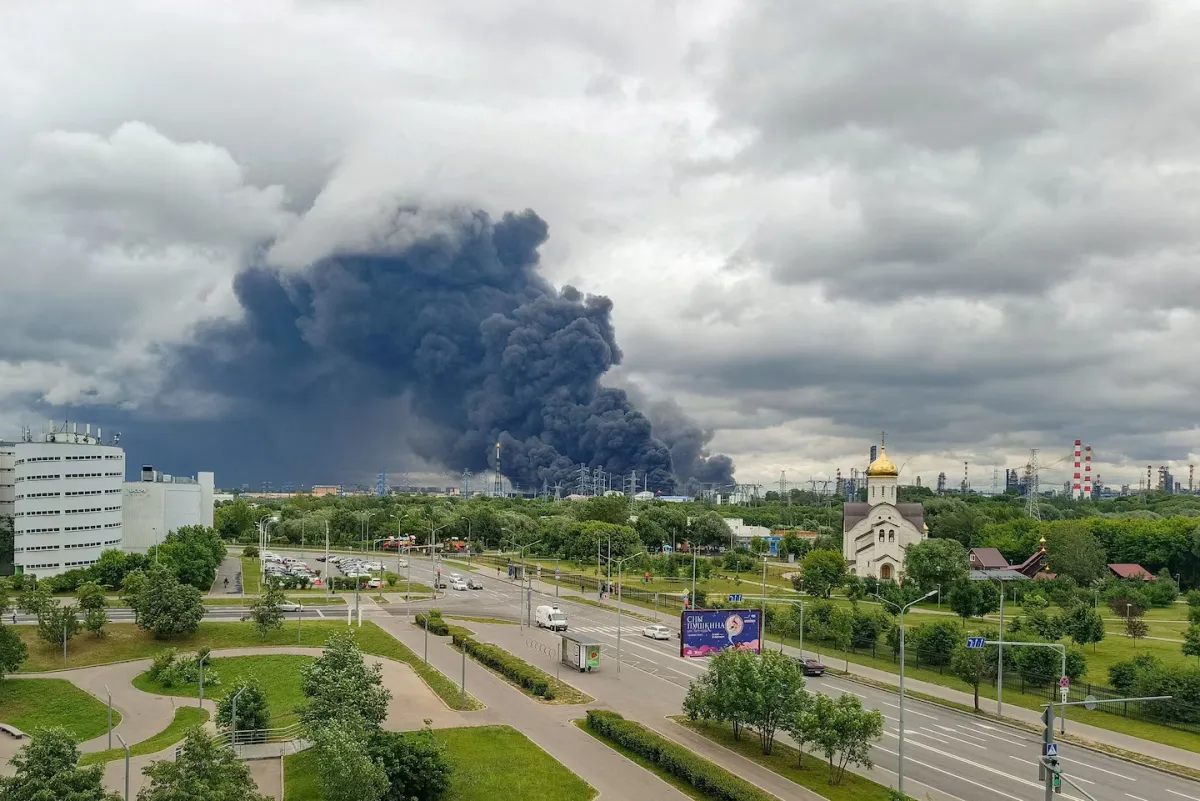
Concerns are mounting in Russia over the intensification of Ukrainian long-range strikes on strategic targets within the country. Ukrainian drones are penetrating ever deeper into Russian rear areas, striking military, energy and industrial infrastructure. This is reported by The Public, citing The Washington Post.
Over the past week, attacks have targeted oil facilities, the VZPP-S semiconductor plant in Voronezh, the ‘Dubna’ space communications centre near Moscow, and a chemical plant in Tula, which is important for the production of ammunition.
In occupied Crimea, large-scale power cuts were recorded following the strikes, and the sale of fuel was suspended. As a result, the Russian-controlled authorities declared a state of emergency.
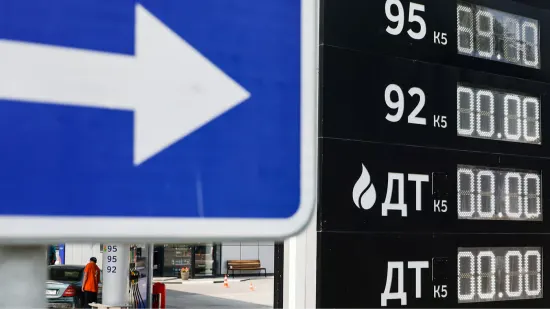
Against the backdrop of increasing attacks, Vladimir Putin’s government held an emergency meeting on the fuel crisis. According to a source, petrol production in Russia fell by 25 per cent between 15 and 21 June, forcing dozens of regions to impose restrictions.
The situation on the financial markets is creating additional pressure. Since the start of June, the Russian stock market has lost more than 13 per cent, marking its biggest fall since September 2022.
The situation has also been exacerbated by the fall in the price of Russian oil to around $50 per barrel. This is happening against a backdrop of rising military spending and Moscow’s search for additional sources of funding.
According to the publication’s sources, there is growing concern within Russian business and political circles over the lack of adequate protection for critical infrastructure against drone attacks.
Some sources indicate that Russia was not prepared for a protracted war involving the large-scale use of drones. Questions are also being raised about the effectiveness of its air defence systems.
Ukrainian President Volodymyr Zelenskyy has stated that Russia is redeploying air defence systems to protect Moscow, Putin’s residence in the Valdai region and the Kerch Bridge.
Despite mounting pressure, the Russian authorities are publicly attempting to downplay the scale of the problems. Deputy Prime Minister Alexander Novak stated that the situation on the fuel market is complex but under control.
At the same time, sources report a significant deterioration in Russia’s budgetary situation. The federal budget deficit had reached 6 trillion roubles by the end of May, more than double last year’s figure.
Due to rising expenditure, the government has already amended budget legislation to allow the Ministry of Finance to spend and borrow more funds without separate parliamentary approval.
Against this backdrop, fears are growing within the Russian business community regarding a possible intensification of financial pressure on the population and businesses. In particular, discussions are centring on additional borrowing, an increase in the issuance of government bonds and potential access to pension savings.
Despite mounting economic and military pressure, analysts believe the Kremlin is unlikely to change course in the near future. According to their assessments, Moscow is likely to respond with further escalation.