Timothy Snyder: peace on Russia's terms – a direct path to nuclear war

Last week, Ukraine faced another large-scale missile attack — the occupiers launched over 500 drones, cruise, and ballistic missiles, targeting residential buildings, shops, postal services, and energy infrastructure.
Against this backdrop, information spread about secret negotiations between Putin and Donald Trump regarding a possible resolution of the war. As it later turned out, the proposed concept appears to be extremely advantageous for the Kremlin.
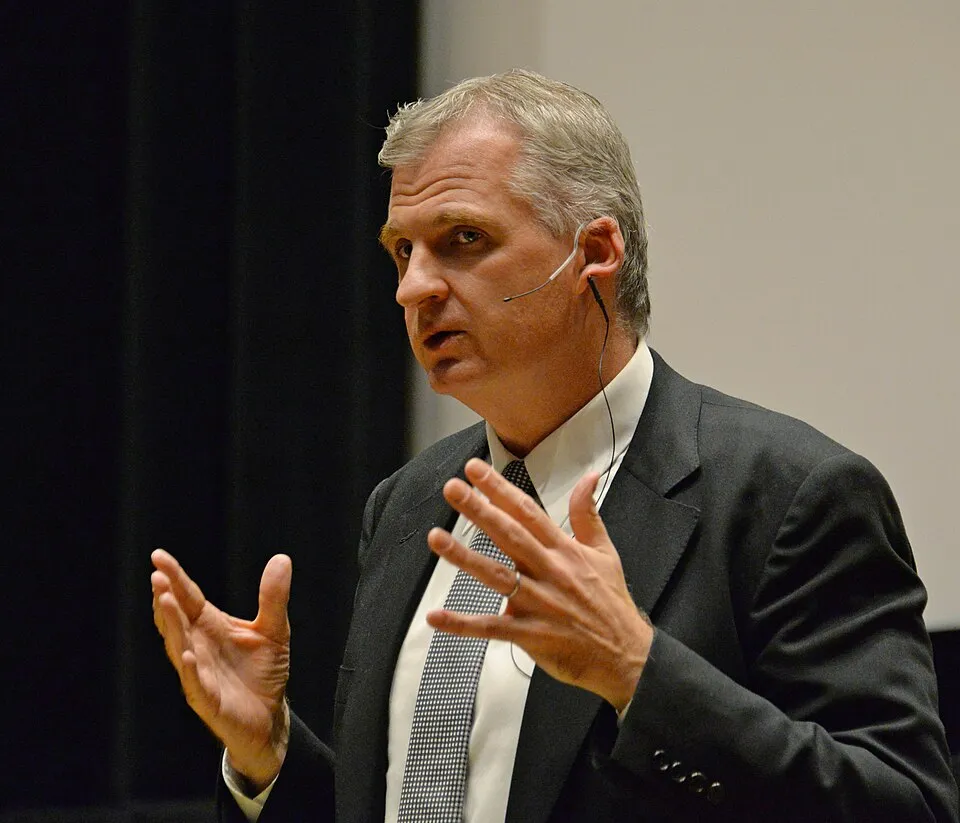
The position of the well-known historian and the first head of the Department of Modern European History at the University of Toronto — Timothy Snyder — is reported by ThePublic.info, citing his op-ed. He highlights six key risks that not only will not stop Russian aggression but could turn it into a global threat.
1. The real threat of nuclear war
According to Snyder, any pressure on Ukraine to accept conditions similar to defeat will signal to the world: nuclear weapons are the only guarantee of security. This could trigger a new arms race and significantly increase the risks of a global conflict.
2. Violation of the principle of inviolability of borders
Recognizing the forceful redrawings of borders will undermine the foundation of the international order and set a precedent for aggression by other states.
3. Strengthening Russia and destroying stability
If a peace agreement makes Russia stronger than Ukraine, it will only push the Kremlin toward further wars in Europe.
4. Lack of enforcement mechanisms
Snyder points out that the proposed plan lacks reliable guarantees on how it will be implemented and who will oversee it.
5. Ignoring Ukraine’s democratic will
The proposal bypasses the issue of regional security and the architecture of future peace — instead, it prioritizes Russia’s imperial ambitions.
6. Ukraine may be left out of negotiations
According to the historian, true peace is impossible without Ukraine and its allies. If decisions are made solely by the US and Russia, Ukrainians may have nothing left but to continue fighting.
In conclusion, Snyder adds: Donald Trump’s pursuit of the Nobel Peace Prize could become one of the most vulnerable moments in modern international relations history.