Trump has threatened to impose 50 per cent tariffs on countries providing military support to Iran

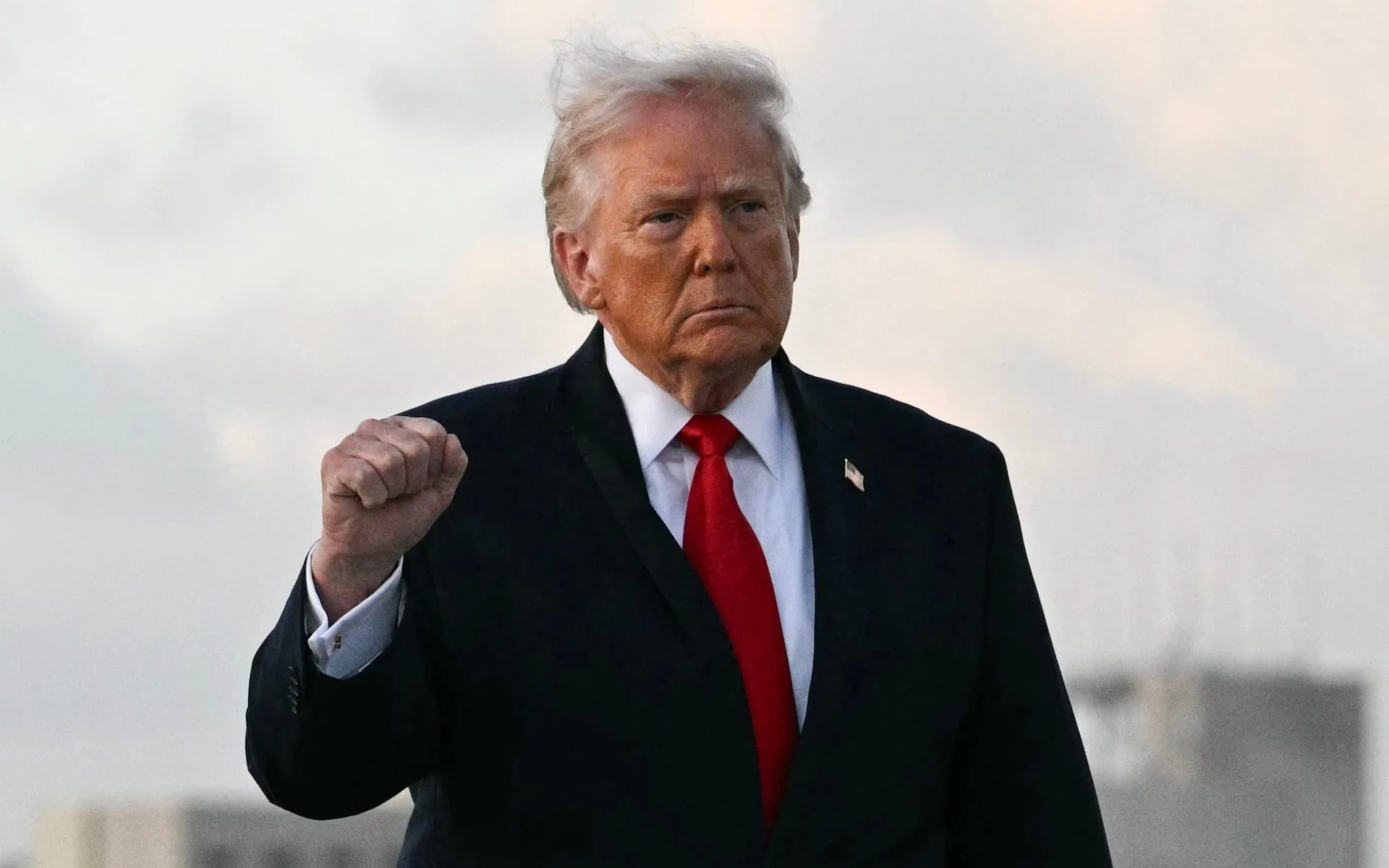
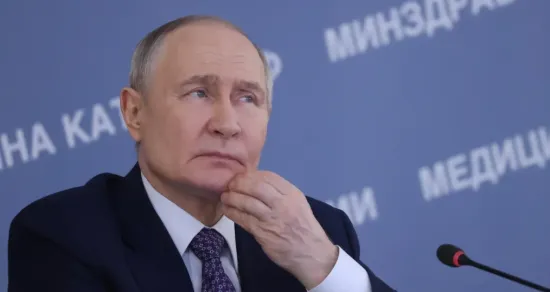
US President Donald Trump has stated that countries supplying military weapons to Iran will face the immediate imposition of 50 per cent tariffs on all goods exported to the United States. According to him, these measures will allow for no exceptions, Reuters reports.
In an interview with Fox News, Trump said he was aware of reports that China may be preparing to supply Iran with portable air defence systems. “If we detect this, they will face a 50 per cent tariff, which is a staggering amount,” he said.
In a post on the social media platform Truth Social, Trump noted that any country supplying military weapons to Iran would immediately be subject to 50 per cent tariffs on all goods sold to the US.
The statements came after more than five weeks of strikes on Iranian missile sites, military facilities and the defence industry. Following this, it is reported, Trump has reverted to using tariffs as a tool of pressure.
According to Reuters, the US president warned China and Russia of the possible consequences of supplying arms to Iran. At the same time, Beijing and Moscow have denied recent deliveries, although such accusations continue to be levelled at Russia.
Zhang Xiaogang, a spokesperson for the Chinese Ministry of Defence, dismissed reports that Chinese companies were transferring equipment or satellite data to Iran. He stated that China maintains an objective stance on Iran, supports peace talks and does not participate in actions that could escalate the conflict.
Against this backdrop, Donald Trump plans to visit Beijing next month for talks with Chinese President Xi Jinping. The meeting had previously been postponed due to the war against Iran.
Alongside tariff threats, the US president has ordered the navy to begin a blockade of the Strait of Hormuz, through which Iran exports a significant portion of its oil, notably to China. According to The Telegraph, the UK will not participate in enforcing the blockade.
London has stated that it is working with France and other partners to form a coalition to ensure freedom of navigation. Prime Minister Keir Starmer noted that the UK has systems for detecting sea mines in the region, which could be used to clear the strait.
Talks between the US and Iran in the Pakistani capital lasted 21 hours but ended without any agreements being reached. According to US Vice-President James David Vance, the parties were unable to agree on key issues, particularly those related to Iran’s nuclear programme.
Iran, for its part, described the US demands as excessive. One of the key issues in the negotiations was the Strait of Hormuz, where Tehran insisted on the right to control and levy fees on ships.
In February, the US Supreme Court stripped the Trump administration of the ability to apply the broadest tariff powers under the 1977 law, ruling them unlawful. At the same time, experts estimate that the president retains other trade policy instruments, notably mechanisms related to unfair trade practices and national security.
Experts also note that the new tariffs could affect trade relations between the US and China. At the same time, Trump himself has previously stated his intention to maintain stability in relations between the two countries.
Follow us on Telegram