Trump dodged questions about possible Russian assistance to Iran

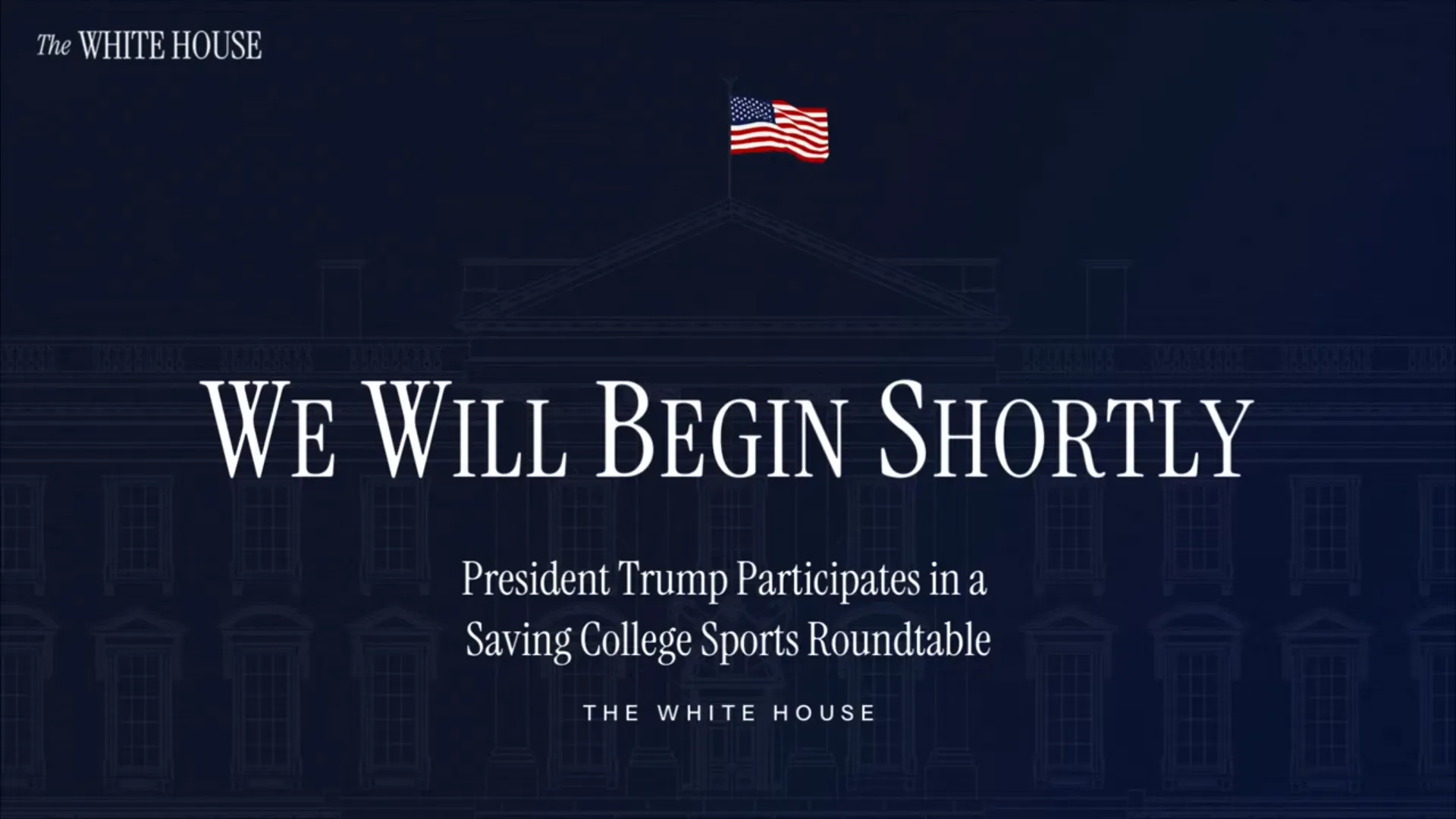
During a press conference on 6 March, US President Donald Trump avoided answering questions about Russia's possible assistance to Iran in its confrontation with Israeli-American military operations.
This happened during a roundtable discussion entitled "Save College Sports," in which the American leader participated.
According to CNN, the question was asked by Fox News correspondent Peter Doocy, who suggested that Russia could be helping Iran strike American targets.
In response, Trump said that the question was secondary to the topic of the event and refused to discuss it.
"This is a simple problem compared to what we are doing here. I respect you very much, you have always been very good to me. But this is a stupid question for this moment. We are talking about something else. Can we put this off for a while?" said the US president.
Information about possible Russian support for Iran
Earlier, there were reports that Russia was providing Iran with intelligence data on the location and movements of American military units, ships and aircraft, in particular using satellite information.
According to US intelligence estimates, this data could have been used during Iran's strikes on temporary US military facilities in the Persian Gulf countries.
In particular, on 1 March, Iran attacked one such facility in Kuwait with a drone, killing six people.
US presidential administration spokeswoman Caroline Levitt said the White House was "not concerned" about reports that Russia may have shared intelligence with Iran.
Conflict in the Middle East
Tensions in the region escalated sharply after Israel launched strikes on Tehran on 28 February.
Donald Trump later announced that the United States had launched a large-scale military operation against Iran, which he called necessary to eliminate threats from the Iranian regime.
According to the US president, the operation is aimed at destroying Iran's missile infrastructure and naval forces, as well as preventing further destabilisation of the region.
In response, the Islamic Revolutionary Guard Corps (IRGC) announced the launch of missiles and drones towards Israel and attacks on US military bases in Qatar, Saudi Arabia and the United Arab Emirates.
Against the backdrop of the escalating situation, French President Emmanuel Macron called for an urgent meeting of the United Nations (UN) Security Council.
The European Union (EU) announced its support for efforts to ensure regional security and stability in the Middle East.
Ukrainian President Volodymyr Zelensky noted that the Iranian people should be given a chance to get rid of the "terrorist regime" and guarantee the security of states that have been attacked by Iran.
In addition, on 28 February, Donald Trump announced the death of Iran's Supreme Leader Ali Khamenei, which was later confirmed by the Islamic Republic News Agency (IRNA).
According to sources at Iran International, on 3 March, Iran's Assembly of Experts elected a new supreme leader, Mojtaba Khamenei, the son of the deceased Ayatollah.