Early elections are being held in Denmark amid the debate over Greenland

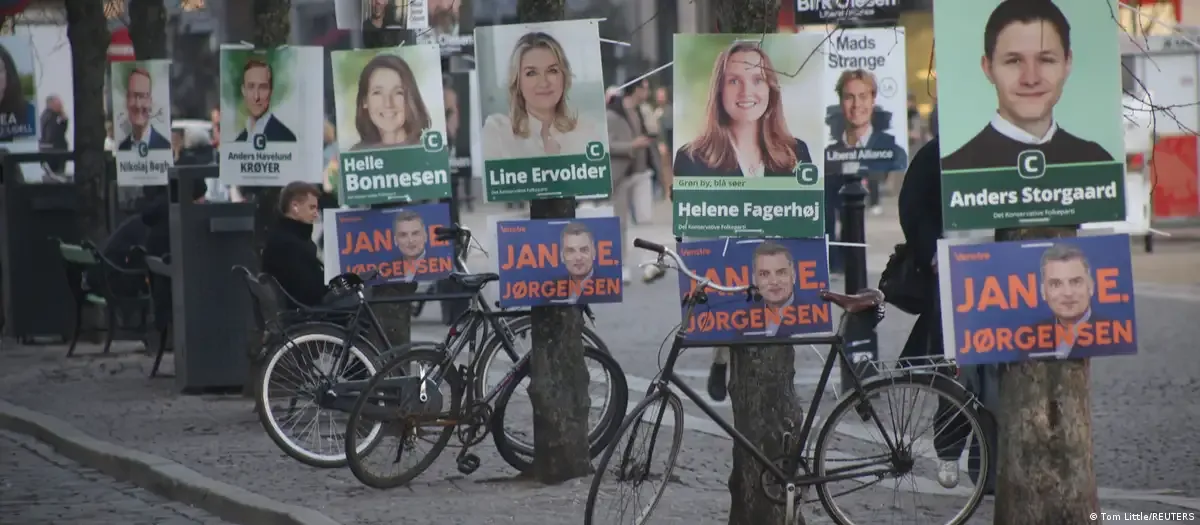
Danish citizens are voting in a general election which, according to opinion polls, could result in a very narrow margin between the political parties. Prime Minister Mette Frederiksen, a Social Democrat elected in 2019, is considered the favourite.
Her stance on countering US President Donald Trump’s plans to annex Greenland has been well received. At the same time, this issue has not become a key focus of the election campaign, which is centred primarily on the cost of living, migration and the environment.
Recent polls show a slight lead for the centre-left coalition over the right-wing parties, but neither bloc is likely to secure a majority in the 179-seat parliament.
Politiken political analyst Elisabeth Svein noted that the composition of the future government remains uncertain, but there is a possibility that Mette Frederiksen will remain in office. She also remarked that voters may not fully support the Prime Minister, but consider her suitable for leadership.
Ole Wever, a professor of political science at the University of Copenhagen, highlighted the difficulty of forming a government by right-wing forces due to the need to unite a broad spectrum of political parties.
Polling stations opened at 8 am and will remain open until 8 pm. Exit polls are expected to be published after the polls close, with the final results due to be announced approximately four hours later.
Four seats from Denmark’s autonomous territories could influence the outcome of the vote. Greenland and the Faroe Islands each hold two seats.
The elections have attracted heightened attention in Greenland’s capital, Nuuk, where more than 20 candidates are standing. Yuno Bertelsen, a member of the local parliament and leader of the Naleraq party, stated that the results of the vote could determine the future direction of development.
All of Greenland’s main political forces support the idea of independence from Denmark, though they propose different approaches to the process. Greenland’s Minister for Business, Naaya Nathanielsen, who is standing for the IA party, noted that the US issue has played an important role in the campaign on the island.
At the same time, in Denmark itself, the issue of Greenland has not been a central concern for voters. The campaign has focused on domestic issues, particularly inflation, social policy and water quality.
Migration policy also remains an important issue. The Social Democrats are in favour of tightening restrictions, whilst the Danish People’s Party supports ending the granting of permanent residence permits.
Mette Frederiksen also backed a proposal to restrict access to non-emergency medical care for foreigners who threaten medical staff, calling it fair.