NATO proposes extending the fuel pipeline eastwards


NATO’s senior military representative, Lieutenant General Kai Rorschneider, has spoken of the need to extend the alliance’s fuel pipeline network further east. According to him, this is important from the point of view of military operations and the supply of troops, reports Reuters.
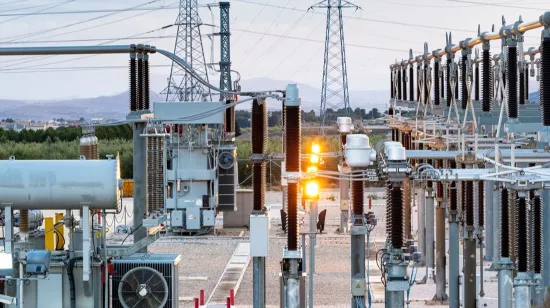
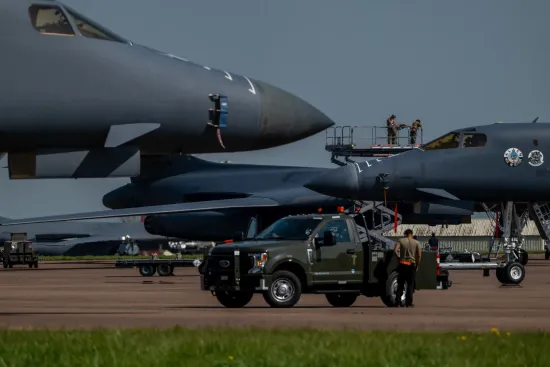
The current network, which is around 10,000 kilometres long, was established during the Cold War. It runs underground at a depth of approximately 80 centimetres and spans 12 countries. The system terminates in western Germany and supplies both military facilities, notably Ramstein Air Base, and civilian hubs, including Frankfurt Airport.
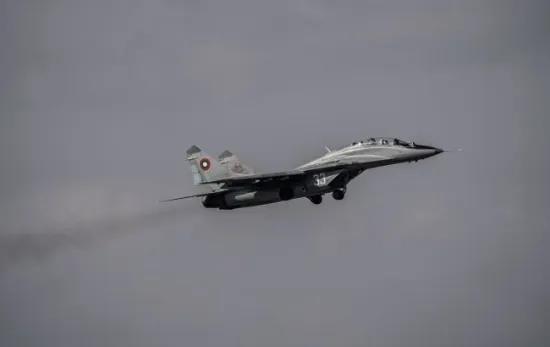
In the event of war, the air force could consume up to 85 per cent of all military fuel. Fuel transported via pipelines can also be used by ground vehicles after the addition of appropriate additives.
Countries on NATO’s eastern flank, notably Poland, have long advocated for the expansion of this system. According to Rorschneider, the pipeline must be extended to Poland, and a solution must be found for the three Baltic states. Additional routes could include Finland and Romania.
Expanding the network should also help to partially resolve the problem of insufficient fuel storage capacity. Currently, NATO’s infrastructure includes storage facilities with a total capacity of over 4 million cubic metres.
The Support and Sustainment Command, based in Ulm and established following the events of 2014 to improve NATO logistics, identifies fuel transport as one of the key challenges.
“Fuel and ammunition are probably the two most important resources for conducting operations. If they run out, the operation ends,” noted Rorschneider.
According to NATO estimates, in the event of a full-scale conflict, daily requirements could amount to hundreds of thousands of cubic metres of fuel. At the same time, the existing infrastructure may not be able to cope with such a load even before active hostilities begin, due to troop movements and air operations.
The proposal to extend the pipeline is currently under political discussion. A final decision has not yet been taken. According to Rorschneider, countries agree on the need for changes, but the decision-making process is ongoing.
The project also involves financial considerations. Its cost is estimated at approximately €21 billion, and implementation could take between 20 and 25 years.