The US is concerned about the scale of Israel's strikes on Iran's fuel storage facilities

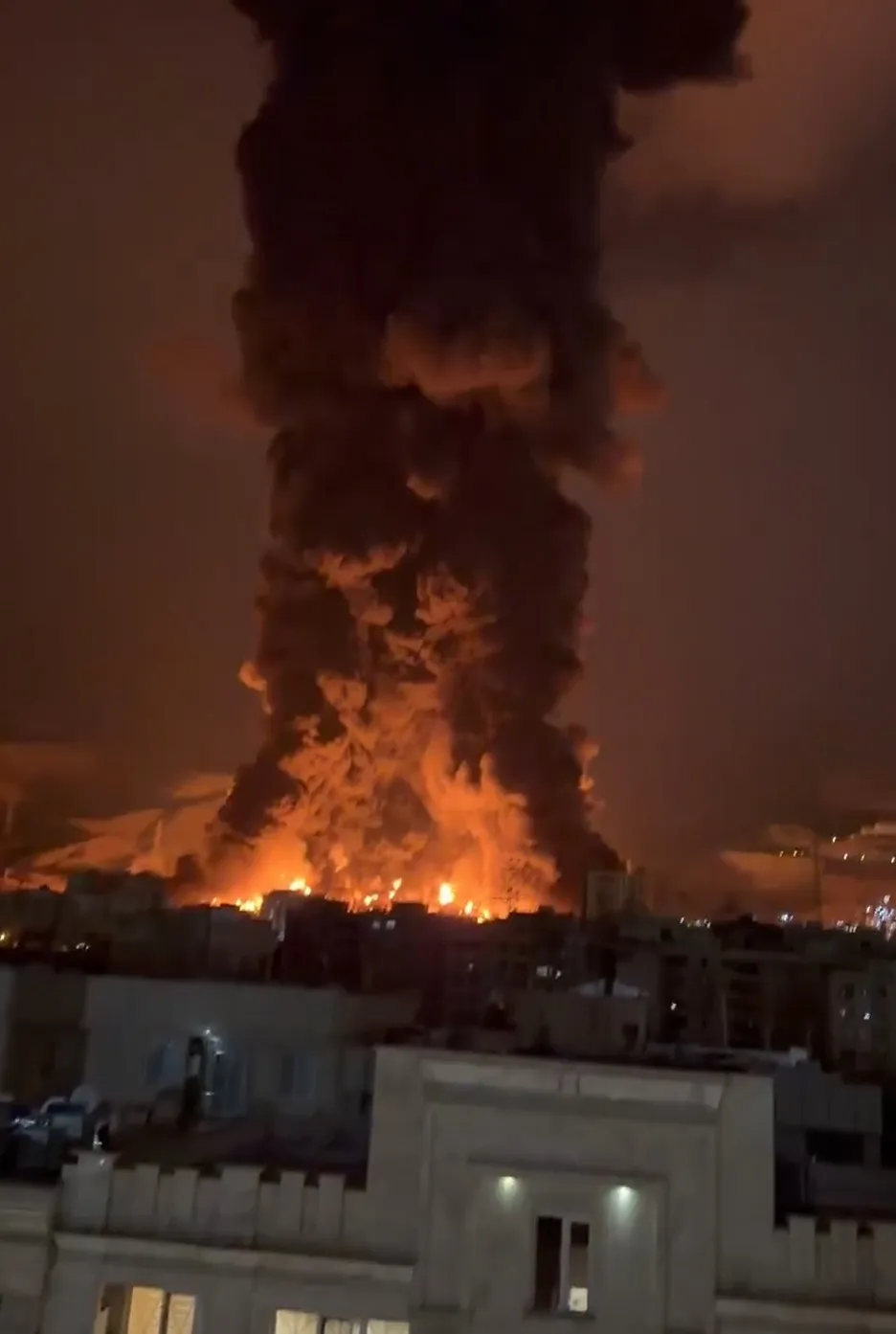
Israel's strikes on 30 Iranian fuel storage facilities on Saturday were much larger than expected in the United States. This was reported by an American official, an Israeli official and a source familiar with the situation.
According to them, this was the first serious disagreement between the allies since the start of the war, which has been going on for eight days.
Washington is concerned that attacks on infrastructure used by Iran's civilian population could backfire. The American side believes that such strikes could consolidate Iranian society's support for the government and lead to higher oil prices.
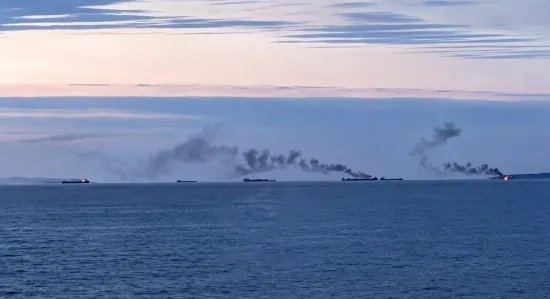
During Saturday's strikes, Israeli aircraft caused large-scale fires in Tehran. The flames were visible for several kilometres, and thick smoke enveloped the capital.
The Israel Defence Forces said that the fuel depots "are used by the Iranian regime to supply fuel to various consumers, including military structures."
An Israeli military official said the strikes were also intended to send a message to Iran to stop attacking Israel's civilian infrastructure.
Israeli and American officials reported that the Israel Defence Forces had warned the American military about the strikes in advance.
At the same time, one US representative said that the US military was surprised by the scale of the operation.
"We don't think it was a good idea," said a senior American official.
An Israeli official said that the US reaction to the attack was conveyed with the words "WTF".
The White House and the Israel Defence Forces declined to comment.
The strikes did not target oil production facilities, but the US fears that footage of burning storage facilities could affect oil markets and cause further increases in energy prices.
"The president doesn't like the attack. He wants to keep the oil. He doesn't want to burn it. And it reminds people of higher petrol prices," Donald Trump's adviser said in a comment to Axios.
Iran has warned of a possible response to further attacks on its energy infrastructure.
A spokesman for the headquarters of Khatam al-Anbia, which oversees military operations, said that if strikes on Iran's oil infrastructure continue, Tehran could respond with similar attacks on facilities in the region.
He added that Iran has not yet attacked fuel and energy infrastructure in the region, but if such strikes occur, oil prices could rise to $200 per barrel.
Iranian Parliament Speaker Mohammad Bagher Ghalibaf also warned that the country would respond "without delay" in the event of further attacks on infrastructure.
The American official noted that differences between allies and further US expectations regarding the course of the war are to be discussed at the highest political level.