Ukraine is keen to join the European Union quickly, but the process is complicated.

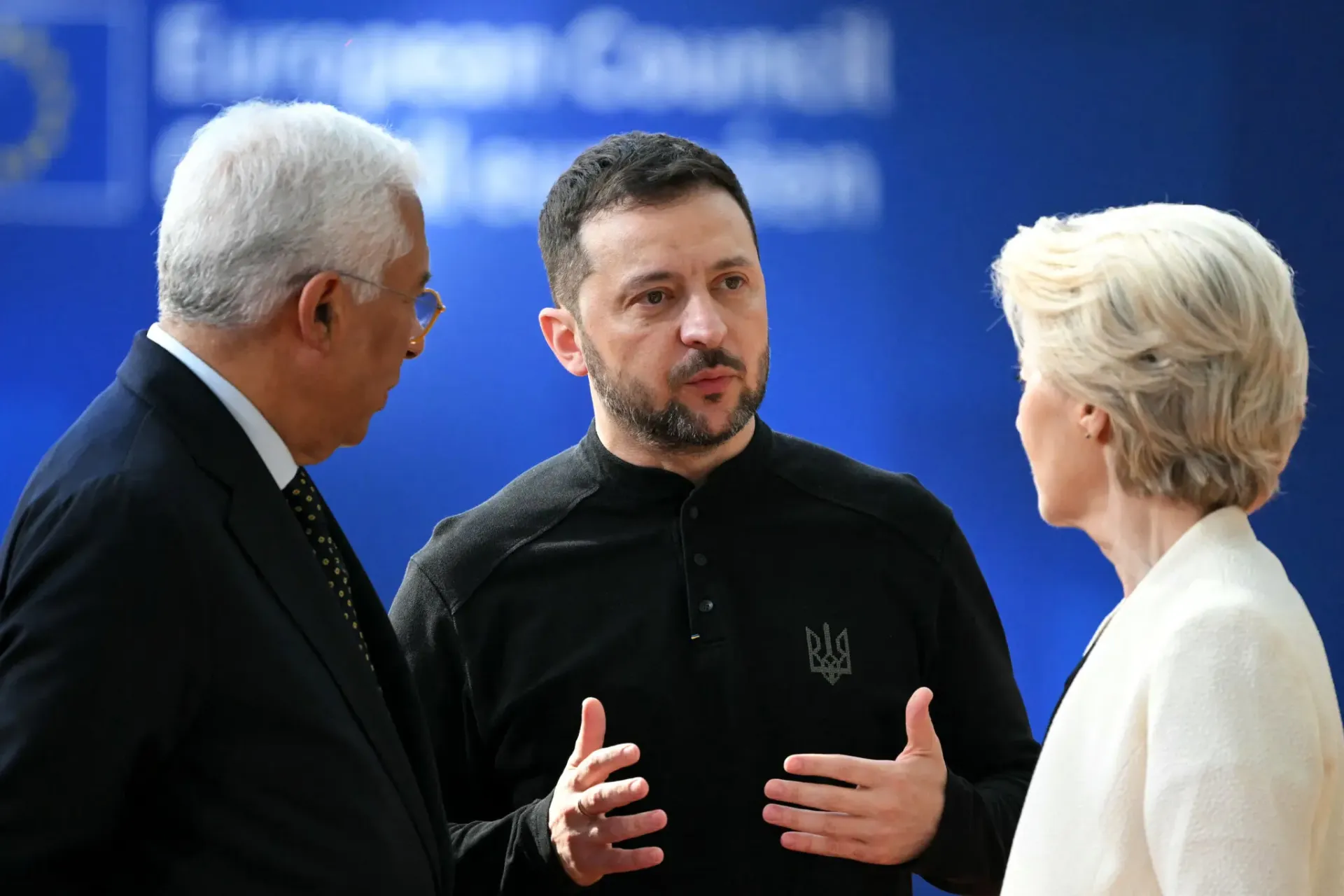
Ukraine began the process of joining the European Union in 2022. Currently, the bloc has 27 member states and has not expanded since Croatia joined in 2013. Nine countries are waiting to join. This was reported by The Public, citing the NY Times.
The accession process usually takes years. On average, it takes nine years, with final checks taking another year or more. Despite references in some peace plans to the possibility of Ukraine joining in 2027, European officials acknowledge that under the current rules, this is almost impossible.
Marta Kos, European Commissioner for Enlargement, said at the Munich Security Conference that Ukraine's rapid accession under the existing procedure is unrealistic, but that the mechanism itself needs to be changed. She added that this is not about enlargement, but about the unification of Europe.
European Commission President Ursula von der Leyen called the path to membership an important security guarantee. At the same time, during a press conference in Kyiv, she stated that it is currently impossible to set specific dates.
European officials consider Ukraine's accession a priority, particularly in view of the peace negotiations. Rapid progress towards membership or setting a clear date could also stimulate private investment in the country's post-war reconstruction.
At the same time, Ukraine's accession is associated with a number of challenges. The country has a large population and has suffered serious economic losses due to the war. There are concerns about a possible influx of labour to other European Union countries and the need for significant development funding.
Ukraine is a major agricultural producer, which could create competition for farmers in member states, particularly France. Polish Foreign Minister Radoslaw Sikorski said in Brussels that full membership would be a major challenge for both Ukraine and the European Union.
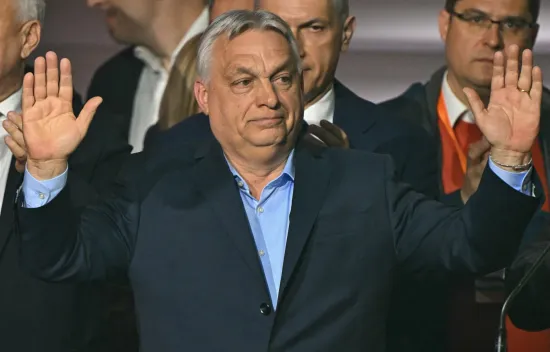
Compliance with the rule of law remains a separate issue. Candidates must demonstrate low levels of corruption, functioning democratic institutions and respect for the law. At the same time, the decision to accept a new member state requires the unanimous consent of all countries in the bloc. Currently, Hungary is blocking Ukraine's progress to the next stages.
European officials are discussing possible options, including phased membership, which would provide gradual access to the market and subsidies after reforms are implemented. The possibility of limiting the right of veto or granting an incomplete number of votes is also being considered.
At the same time, such an approach could set a precedent and lead to the formation of a two-tier system within the bloc. This could affect other candidate countries, including Albania, Moldova and Montenegro.