The US carried out strikes against Iran following attacks on merchant ships in the Strait of Hormuz

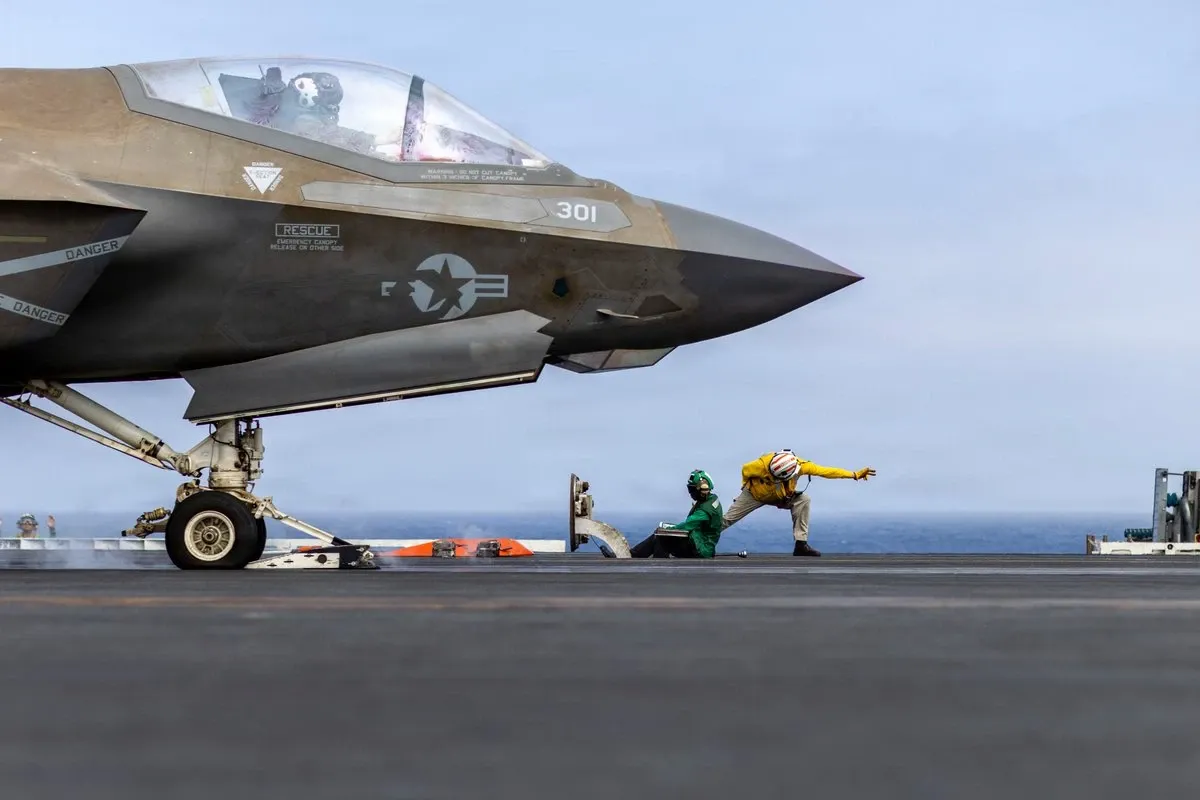
The United States has launched a series of strikes against Iran in response to attacks on three commercial vessels in the Strait of Hormuz. This was reported by the US Central Command (CENTCOM).
A statement from the US command noted that the strikes were in response to significant damage caused to merchant vessels. CENTCOM emphasised that Iran’s actions were unprovoked, dangerous and constituted a clear violation of the ceasefire.
The command later reported that the targets of the operation included Iranian air defence systems, command and control networks, coastal radar stations, anti-ship missile defences, and more than 60 boats belonging to the Islamic Revolutionary Guard Corps.
Meanwhile, Iranian media reported that six projectiles had struck the area around the Taherui jetty in the south of the country.
According to the UK Maritime Trade Operations (UKMTO) centre, one tanker was struck by a drone and sustained minor damage. The Qatari liquefied gas tanker Al-Rekajat also sustained serious damage; according to the crew, it was struck by an unidentified projectile. No further details have been provided regarding the third vessel.
Iranian state television stated that the liquefied gas tanker was attacked after ignoring warnings. Tehran had previously emphasised on numerous occasions that only the route through the Strait of Hormuz designated by them was safe.
Prior to announcing the strikes, the US government also reinstated sanctions against Iranian oil, which had been lifted just over two weeks ago.
Iran’s Deputy Foreign Minister, Kazem Haribabadi, stated that the reimposition of sanctions and the subsequent US strikes constituted a “serious violation” of the agreements. He said that Iran would “take decisive measures to protect its national interests and security”.
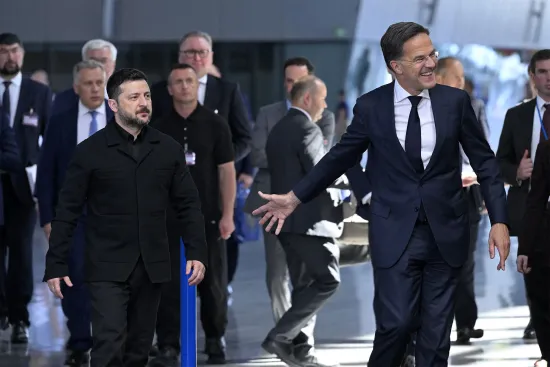
Meanwhile, during a meeting of foreign ministers from NATO and the Arab Gulf states, France and the United Kingdom presented plans to establish a multinational naval mission to ensure the safety of shipping in the Strait of Hormuz.
Ministers from Bahrain, Kuwait, Qatar and the United Arab Emirates gathered in Ankara, where the NATO summit is taking place on 7 and 8 July. According to Reuters, Iran’s reluctance to join this initiative reduces the chances of a rapid easing of tensions in the region.
It is also reported that, following the signing of a memorandum between Washington and Tehran, the parties were to agree within 60 days on issues concerning Iran’s nuclear programme, the withdrawal of US troops from neighbouring states and the conditions for the passage of ships through the Strait of Hormuz. No progress has been reported in these negotiations.
Furthermore, Tehran has not yet granted Western countries permission to fully clear the Strait of Hormuz of mines. According to media reports, as a result, shipping is restricted to just two narrow routes, and freight volumes remain less than half of pre-war levels.
Sources believe that the new US strikes heighten the risk of further escalation in the region. Earlier, US President Donald Trump stated that Iran must reach an agreement, otherwise the United States would “see it through to the end”. In response, Iranian Foreign Minister Abbas Araghchi noted that negotiations on a final agreement would not begin whilst threats were being made by Washington.