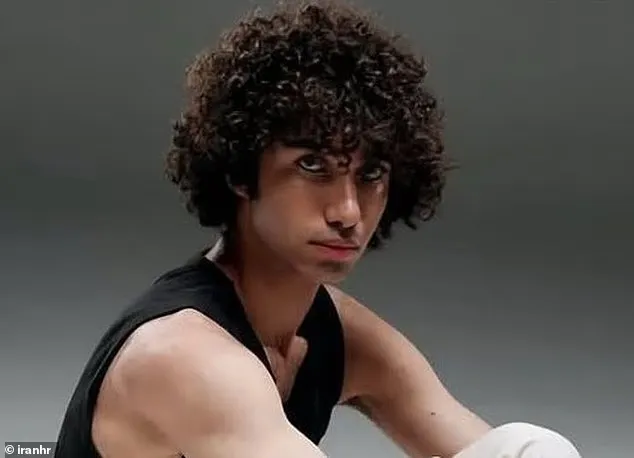
An 18-year-old musician has been executed in Iran following protests

The Daily Mail reports this, citing the Iranian judicial system, Amnesty International, Iran Human Rights and representatives of the Iranian opposition.
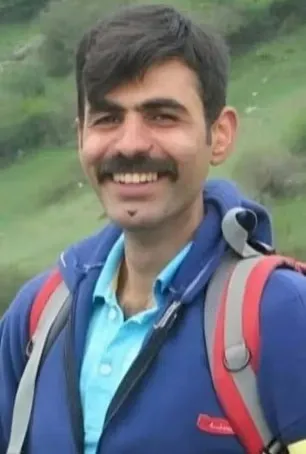
According to the information cited in the article, Amirhossein Khatami was executed at the Ghezel-Kesar prison near Tehran. The Iranian judiciary reported that he was “hanged at dawn”. The young man was arrested on 8 January and charged with setting fire to a base of the paramilitary Basij force in Tehran during anti-government protests.
The report states that following his arrest, Khatami was held in solitary confinement for weeks, had his head shaved, and was shown on state television during a brutal interrogation. On 7 February, he was sentenced to death under the charge of “Moharebeh” – “enmity against God”. The Iranian news site Mizan Online claimed that he had acted “against national security” in the interests of Israel and the US, allegedly infiltrating a “military centre”, destroying it and attempting to seize weapons.
Amnesty International described the execution as “arbitrary” and stated that the teenager’s trial was “grossly unfair”. The human rights organisation emphasised that the death sentence was handed down less than a month after his arrest, and that the charges, in their view, were based on coerced confessions.
Following Khatami’s execution, fears for other prisoners have grown. The report states that four more men – Mohammad Amin Biglari, Ali Fahim, Abolfazl Salehi Siavashani and Shahin Vahidparast Kolor – were placed in solitary confinement ahead of their executions in the same prison. Amnesty had previously warned that they were among a group of 11 people facing an imminent risk of execution following what human rights defenders believe to be torture and other forms of ill-treatment.
Reza Pahlavi, the exiled Crown Prince of Iran, stated following news of Khatami’s execution that the regime was preparing “yet another unforgivable crime”. According to him, these young people have been convicted “not for what they did, but for what they represent”, and the courts in Iran, he claims, operate not to deliver justice but to intimidate society.
The article also states that the musician’s execution took place following the hanging of four political prisoners earlier this week. They were Puya Gobadi, Babak Alipour, Mohammad Taghavi Sangdehi and Ali Akbar Daneshvarkar, who were sentenced to death on charges of sedition and links to the PMOI, an organisation banned in Iran. According to Iran Human Rights, these men were executed in secret, without their families being notified in advance.
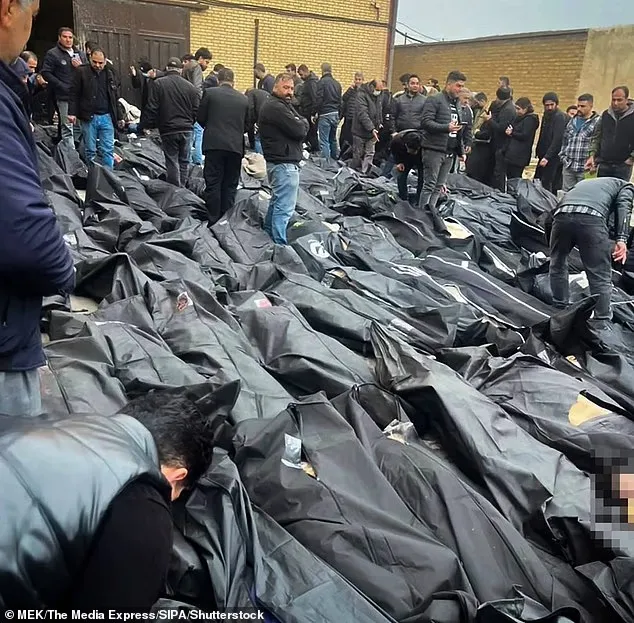
Mahmoud Amiri-Moghaddam, director of Iran Human Rights, stated that Khatami’s execution following a “grossly unfair trial” and on the basis of “coerced confessions” is part of a wider crackdown. He said that in just two weeks, three protesters and four political prisoners had been executed in Iran, and hundreds more could be at risk in the coming days and weeks.
Mohammad Mohaddessin, head of the Foreign Affairs Committee of the National Council of Resistance of Iran, commenting on these events, stated that the authorities are using executions as a tool of control and intimidation against the backdrop of war and internal instability. According to him, the regime is particularly fearful of new protests within the country.
The report notes that the wave of executions is taking place against the backdrop of Iran’s war with Israel and the US. According to Iran Human Rights, at least 145 executions have been confirmed in the country since the start of 2026, whilst over 400 further cases of execution have been recorded but not verified.