A private air defence system has been launched in Ukraine: businesses are already shooting down drones

This was announced by Ukraine’s Minister of Defence, Mykhailo Fedorov. The legal framework for the project is set out in Cabinet of Ministers Resolution No. 1506 of 19 November 2025 and the amendments thereto, approved by Resolution No. 290 of 2 March 2026.
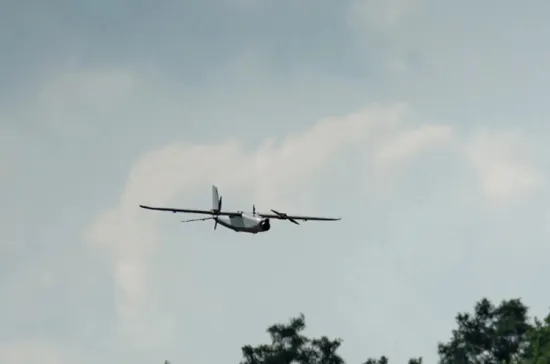
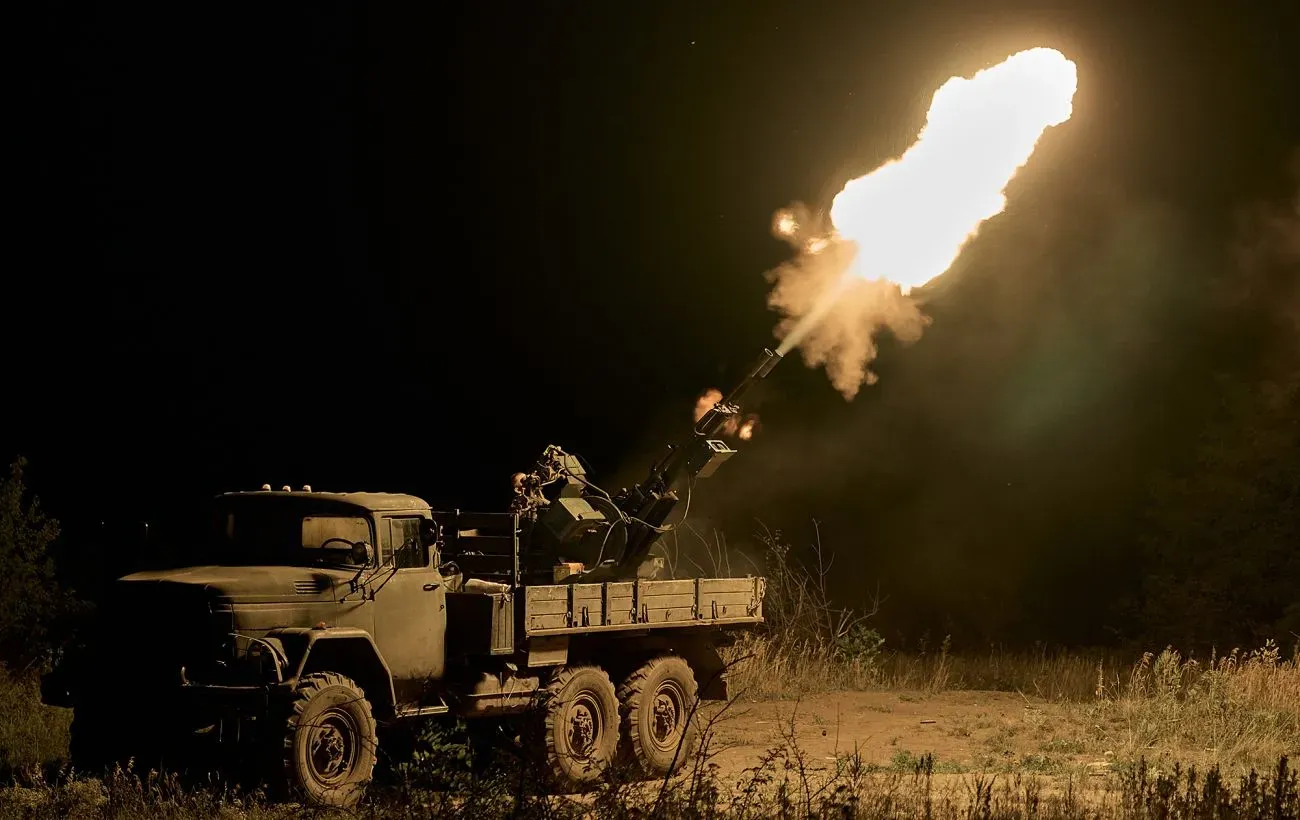
The experimental project launched by the government to involve the private sector in the air defence system is already underway and, according to Fedorov, is yielding initial results. One of the participating companies has formed its own air defence unit, which has shot down several enemy drones in the Kharkiv region, including Shahed and Zala models.
At the same time, new air defence units are being formed at a further 13 enterprises that have been granted the status of authorised economic entities by the Ministry of Defence. Some of them are already carrying out combat missions, whilst others are undergoing training or completing their preparation.
How the model works
Fedorov reported that private air defence is integrated into the unified command system of the Ukrainian Air Force, operates under military coordination, defends facilities and participates in the interception of aerial targets. According to him, the state, the military and the business sector operate as a single system within this model, whilst private groups receive weaponry and become part of the overall air defence architecture.
Cabinet Resolution No. 1506 provides for a pilot project to involve enterprises, regardless of their form of ownership, in the formation of air defence groups during martial law, but for no longer than two years from the date it comes into force. The Ministry of Defence has been designated as the project coordinator, and its aim is to involve enterprises in joint activities with the Armed Forces and other components of the defence forces to enhance the effectiveness of air defence.
This procedure defines an air defence group as a structural unit of an authorised enterprise, established to protect the enterprise’s property, in particular critical infrastructure facilities, as well as the territory of Ukraine, by detecting, monitoring, warning of and neutralising air threats. The document explicitly provides for the participation of enterprises regardless of their form of ownership and identifies the enterprises’ own funds and other sources not prohibited by law as sources of funding.
The order classifies the following as air defence assets: unmanned aerial systems, anti-aircraft missile systems, anti-aircraft artillery, small arms, ammunition for them, as well as equipment for detecting, monitoring, tracking and engaging aerial targets, including radar stations and electronic warfare systems.
On 2 March 2026, the government amended this regulation. Resolution No. 290 regulated, in particular, the procedure for the transfer and return of air defence assets and their ammunition, and stipulated that the Air Force Command of the Armed Forces of Ukraine decides on their transfer to air defence groups and coordinates this process. It was following these changes that the mechanism gained additional tools for practical deployment.
The Minister of Defence described this model as a systemic solution that enables the rapid scaling of air defence capabilities without placing an additional burden on frontline units. According to him, the result should be more protected facilities, more targets shot down and a faster response to attacks.
As a reminder, in March the number of Russian air targets destroyed rose to 55% compared to February. Indeed, over the course of a single month, at least 2,300 drones were intercepted.