Venezuelan oil goes through Curaçao: the island could become a key hub for US plans

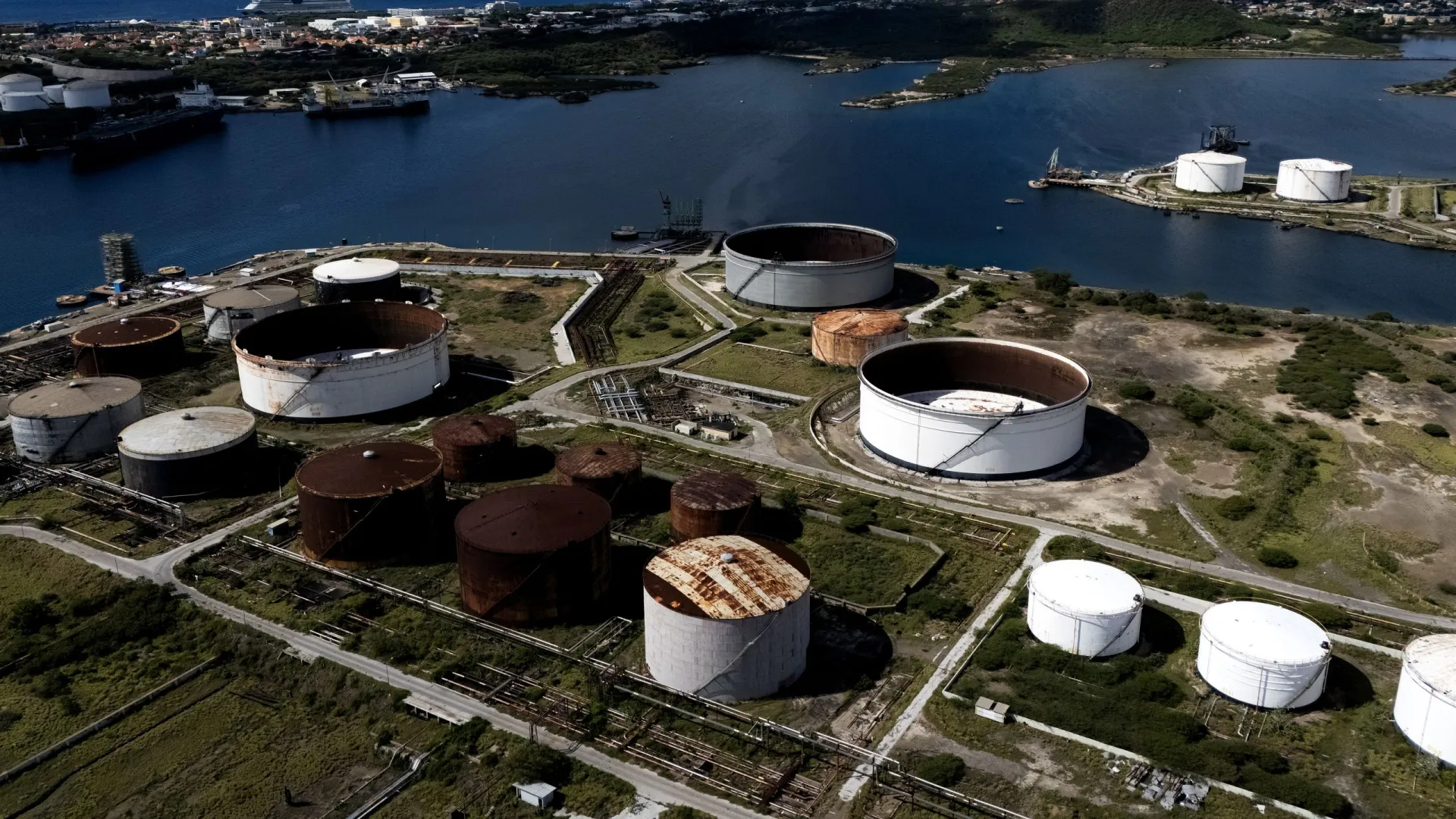
Venezuelan oil began to be transported through Curaçao under new agreements with the United States. The first tanker, MV Regina, arrived on the island yesterday and docked at the large Isla oil refinery. This is where the largest oil storage facility in the Caribbean region is located, with a capacity of 17 million barrels of crude oil, according to NOS.
Curaçao Prime Minister Gilmar Pisas called the event an economic opportunity for the island, where the oil industry has been virtually idle in recent years. The first tanker delivered part of the 4.8 million barrels of oil that the US plans to export from Venezuela at the start. In the future, this volume could increase to 50 million barrels, which according to current estimates corresponds to approximately $2.8 billion. The American side also reserves the right to continue exports without time restrictions.
According to Bloomberg, three more ships, Marbella, Rene and Volans, are expected to arrive in the region after Regina. They were previously part of Venezuela's so-called shadow fleet and privately transported oil mainly to China. Now, transportation is openly carried out via Curacao and the Bahamas.
The logistics of the operation are provided by traders Vitol and Trafigura, whose headquarters are located in the Netherlands. The contracts were signed less than a week after Venezuelan leader Nicolas Maduro was taken out of the country during an operation involving the United States. Trafigura said that only a few companies in the world are capable of implementing a project of this scale and complexity. At the same time, Reuters sources in the White House note that these traders are more willing to take risks than the largest oil corporations.
Legal threats remain significant. Venezuela has about $150 billion in foreign debt, including nearly $14 billion in compensation lost by ConocoPhillips and ExxonMobil after their assets were nationalised. Some creditors may try to seize oil export revenues. US President Donald Trump, however, insists that reviving the oil industry is more important than paying off old debts and has already issued an executive order protecting these revenues from creditors' claims.
There has also been international criticism of the legality of exporting Venezuela's natural resources. Acting President Delcy Rodríguez sharply called the US actions a seizure of national wealth. At the same time, she is not actually preventing exports.
The search for buyers of Venezuelan oil continues. According to Bloomberg, potential customers are being offered a discount of $6.5 per barrel, and negotiations are already underway with companies from India and China. For Curaçao, this is a chance to regain its role as an important energy hub in the Caribbean. The island's authorities do not consider cooperation with Venezuela to be politically risky and hope that if oil refining resumes, the industry will once again be able to create jobs. Five years ago, almost a thousand people worked on Isla, but now the enterprise remains mothballed.
Source and photo: NOS.
Curaçao, USA, Venezuela, India, China, Bahamas