The elections in Slovenia ended in a virtual dead heat between the ruling party and the opposition

Artur Romanchenko
Artur Romanchenko Journalist
The elections in Slovenia ended in a virtual dead heat between the ruling party and the opposition

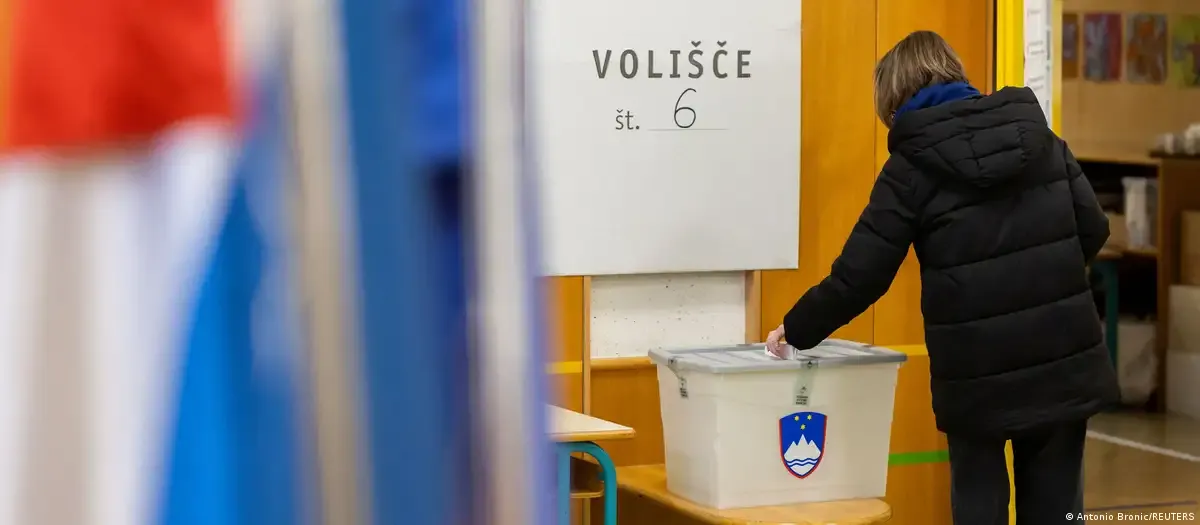
Slovenia's vote could also impact the balance of power in the EU itself Image Antonio Bronic REUTERS
The parliamentary elections in Slovenia did not produce a clear winner. The party of the incumbent Prime Minister, Robert Golob, and the opposition Slovenian Democratic Party received almost equal support from voters.

With approximately 99 per cent of the votes counted, the Freedom Movement led by incumbent Prime Minister Robert Golob has secured 28.5 per cent. The opposition Slovenian Democratic Party, led by Janez Janša, has secured 28.1 per cent, according to DW.

Early exit polls had predicted a larger lead for Golob’s party, but the gap narrowed as the votes were counted.

The final results do not provide a clear answer as to who will be able to form a government. Smaller political forces taking part in coalition talks could play a decisive role.

Robert Golob expressed confidence in his ability to form the next government, whilst acknowledging that difficult negotiations lie ahead. He added that in the new term, his team would do everything to ensure a better future.

The elections were seen as decisive for the country’s future political course. On one side stands the liberal policy of the current government, and on the other, the opposition led by Janez Janša.

Slovenia, with a population of around 2 million, has been a member of the European Union and NATO since 2004. Since gaining independence in 1991, the political situation in the country has repeatedly shifted between these two political camps.

In the run-up to the elections, there was discussion in the country about possible foreign interference. Janez Janša was accused of collaborating with the Israeli private intelligence firm Black Cube to influence the election campaign.

The allegations centred on the creation of video material intended to influence voters by accusing the government of corruption. Janša admitted to having contacts with the company but denied any interference in the elections.

Robert Golob called on the European Union to launch an investigation. He said it was important to protect electoral processes not only in Slovenia but also in other countries.

According to Slovenian authorities, representatives of Black Cube visited Ljubljana several times during the campaign. The company has not responded to the allegations, stating that it operates within the law.
Share tittle
Politics
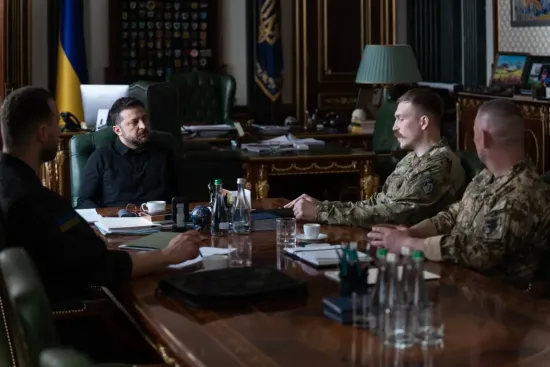
Zelenskyy has appointed a new commander-in-chief: Drapatiy is to replace Syrskyi
Politics

Zelenskyy has appointed a new commander-in-chief: Drapatiy is to replace Syrskyi

President Volodymyr Zelenskyy has appointed Mykhailo Drapaty as the new Commander-in-Chief of the Armed Forces of Ukraine. He will replace Oleksandr Syrskyi once the personnel decisions have been formally finalised.

21.07.2026
The Hungarian Public Prosecutor’s Office carried out searches at the offices of Orbán’s Fidesz party
Politics
  • Important

The Hungarian Public Prosecutor’s Office carried out searches at the offices of Orbán’s Fidesz party

The Hungarian party Fidesz has stated that the public prosecutor’s office carried out searches at the office where its servers are housed. The party has accused the government of attempting to obstruct its activities.

21.07.2026
The Director of the FBI may visit Russia for the first time in over ten years
Politics

The Director of the FBI may visit Russia for the first time in over ten years

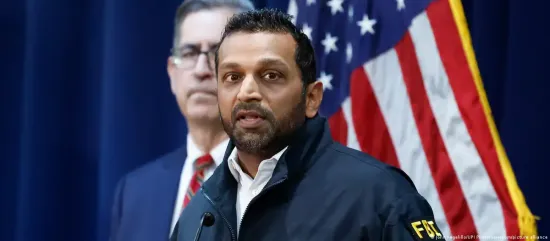
Kesh Patel, Director of the US Federal Bureau of Investigation, may visit Russia this autumn. According to Politico, the trip is currently being planned, and the details are still subject to change.

21.07.2026
The Vatican is prepared to host a meeting between the leaders of Ukraine and Russia
Politics

The Vatican is prepared to host a meeting between the leaders of Ukraine and Russia

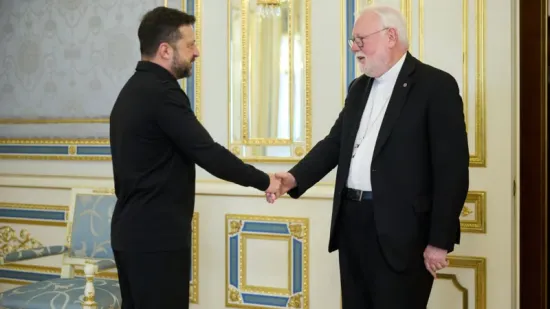
The Vatican is prepared to host a summit that could help bring an end to Russia’s war against Ukraine. The date of the talks and the list of participants have not yet been agreed.

21.07.2026
NATO countries are facing a shortage of cotton for gunpowder production – WSJ
Politics

NATO countries are facing a shortage of cotton for gunpowder production – WSJ

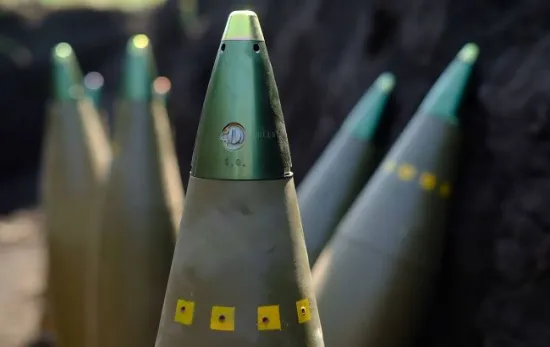
NATO countries are facing an acute shortage of cotton, which is needed to manufacture explosives for artillery munitions.

21.07.2026
Elections