The war in Iran could last at least 100 days or until September.

The US State Department is sending additional staff to Athens to assist American citizens attempting to leave the Middle East. At the same time, the Pentagon is considering increasing the number of military intelligence specialists to support operations against Iran. These steps indicate that the Donald Trump administration is not fully prepared for the large-scale consequences of the conflict. This was reported by The Public with reference to Politico.
According to sources in the State Department, the department's leadership has taken control of the evacuation operation. Some of the functions normally performed by consular services and specialised offices are now being coordinated directly by senior officials.
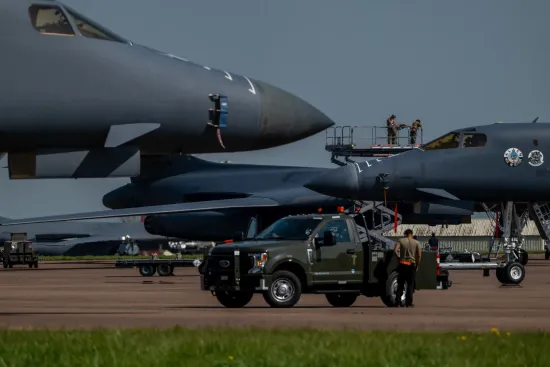
The US Central Command has asked the Pentagon to send additional military intelligence officers to its headquarters in Tampa, Florida. They are expected to work for at least 100 days to support operations against Iran, likely until September.
The request was the first known appeal by the administration to expand intelligence personnel for the war with Iran. It also indicates that the Pentagon is already planning to fund operations that may last longer than the initial four-week period announced by Donald Trump.
Former American diplomat Gerald Feuerstein said the events look like an improvised operation.
"What we are seeing is a completely situational operation where no one seemed to understand or believe that military action was inevitable," he said.
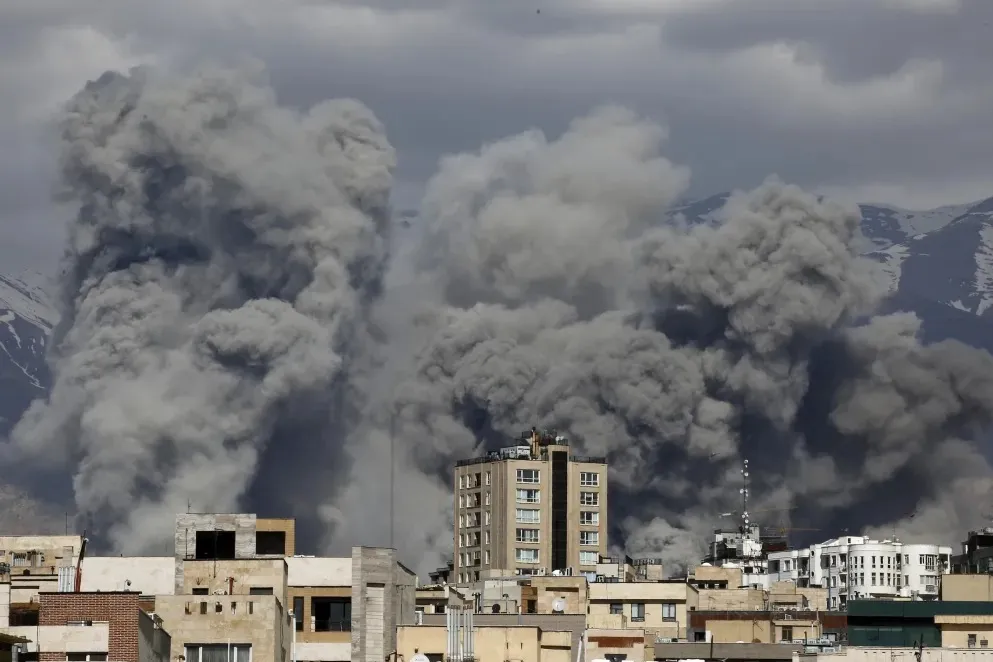
The joint US-Israeli operation targeted Iranian security infrastructure and led to the deaths of the country's supreme leader and other senior officials. At the same time, the American and Israeli authorities have not yet defined a clear end goal for the operation.
Iran responded with strikes against American and other targets in the region. At least six US military personnel were killed in an attack on a port in Kuwait. According to preliminary data, the strike was carried out by a Shahed-type drone.
The Pentagon is also trying to deploy additional air defence systems to the region, including cheaper anti-drone systems. The US military currently uses missiles costing several million dollars to destroy drones, which are significantly cheaper.
One of the main problems was preparing for the evacuation of Americans. Some diplomatic missions, including embassies in Lebanon and Israel, began evacuating staff and their families just days before the strikes. Most other missions did so after the war began.
It was only on Monday that the State Department issued its first large-scale warning to Americans, urging them to leave 14 countries in the region immediately. Due to the closure of airspace and the cancellation of flights, many citizens were unable to leave quickly.
Former US Ambassador to Lebanon Jeffrey Feltman said the situation highlights serious preparedness issues.
"Iran is certainly a threat, but there was no immediate danger to us, and at the same time, thousands, possibly hundreds of thousands of Americans were left at risk without a plan to evacuate them," he said.
The State Department noted that the 24-hour crisis team set up on Saturday helped more than 6,500 Americans abroad obtain information about safety and departure options. According to US Assistant Secretary of State Dylan Johnson, more than 17,500 US citizens have returned from the Middle East to the United States since 28 February.
White House spokeswoman Caroline Levitt said the administration is actively organising charter flights and booking commercial flights to return citizens. The president also appealed to regional leaders to assist with the evacuation of Americans.
At the same time, Democrats in the US Senate called for a hearing on evacuation preparations. Senator Chris Coons said that ensuring the safety of Americans is a fundamental function of US foreign policy.
Senators on the Foreign Relations Committee sent a letter to Secretary of State Marco Rubio asking him to explain how decisions are made regarding the evacuation of citizens and the use of charter or military aircraft.