A war with Iran could result in long-term toxic contamination

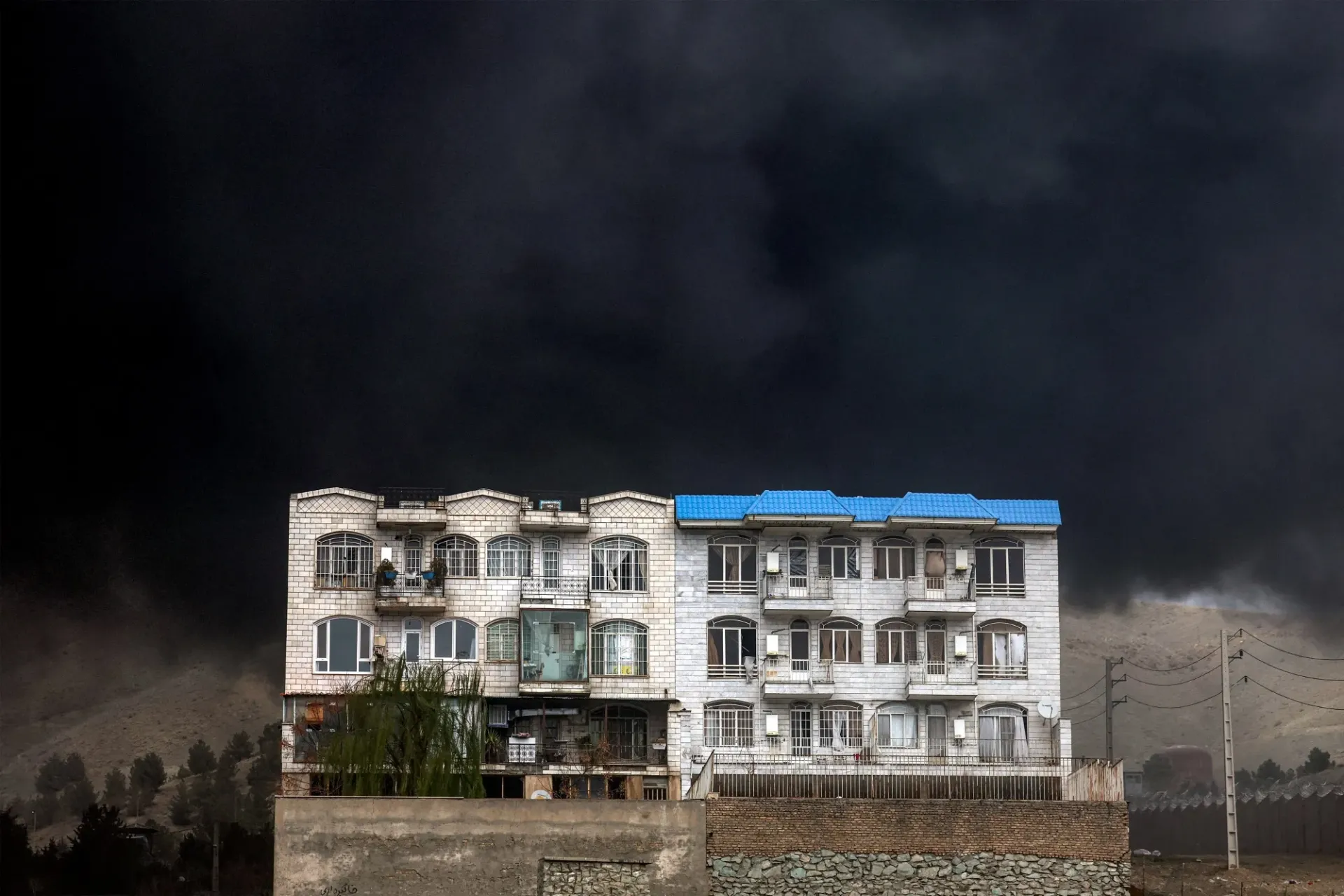
Reports of the so-called ‘black rain’ in Tehran brought back memories of past events for Iranian researcher Nejat Rahmani. On that day, Israeli drones struck large oil depots and refineries on the outskirts of the Iranian capital. The fires caused thick plumes of black smoke, which later mingled with the rain clouds.
According to Rahmani, a professor of chemical and petroleum engineering at the University of Bradford in the UK, the situation reminded him of an event he experienced over 35 years ago. Back then, dark stains would appear on clothes left out to dry on the street, and the air would become heavy. It later emerged that the cause was fires at oil wells in Kuwait during the Gulf War.
During that conflict, Iraqi forces set fire to hundreds of oil wells. Clouds of soot, hydrocarbons and sulphur dioxide spread over long distances and polluted the environment. A 2018 study led by Jia Mao Zhu of the Chinese Academy of Sciences also linked these emissions to the accelerated melting of glaciers in the Himalayas.
The current war in the region, now in its third week, could cause similar pollution. According to experts, the consequences could be even more severe for Tehran and its metropolitan area, home to around 18.5 million people, as the strikes took place in the immediate vicinity of the city.
Dag Weir, head of the Conflict and Environment Watch, noted that oil facilities are often targeted during armed conflicts, but it is rare for them to be located so close to a major city.
According to this British organisation, which studies the environmental consequences of wars, over 300 incidents posing a potential risk to the environment have been recorded during the current conflict.
Rockets and bombs contain heavy metals and other toxic substances. During explosions, these are released into the air, soil and water. Such pollutants can persist for decades and pose a risk to human health. The clean-up process in such cases is complex and costly.
Doug Weir noted that a large number of people are already being exposed to contamination and that this situation may continue.
He described the strike on the oil depots near Tehran as the biggest environmental incident of this war.
Initially, the Iranian authorities urged residents to stay indoors, warning of possible acid rain that could cause chemical burns to the skin and lung damage. The World Health Organisation also advised people to remain indoors.
Subsequently, senior Iranian officials and state television urged citizens to take to the streets and participate in state-organised events, including the annual march in support of Palestine held in central Tehran.
David Gonzalez, an assistant professor at the University of California, Berkeley, stated that the pollution could cause acute respiratory problems. Young children and pregnant women are particularly vulnerable to the effects of toxic substances.
An Iranian engineer, who asked not to be named, said that his relatives had initially planned to stay in Tehran despite the bombing. However, due to the deterioration in air quality and reports of black rain, they decided to move to the north of the country.
Air pollution problems existed in Tehran even before the war began. Researchers, including Rahmani, recorded high levels of fine particulate matter and heavy metals such as lead, cadmium, chromium and nickel in the air and water.
Scientists also detected toxic substances produced by the burning of fossil fuels and waste, including sulphur dioxide.
Physicist Dimitris Kaskaoutis from the National Observatory in Athens noted that the large number of car engines and industrial plants near the city are the main sources of pollution.
Tehran is situated at the foot of the Alborz Mountains. The mountain range hinders air circulation and contributes to the formation of a temperature inversion, which traps pollutants in the air. As a result, periods of poor air quality can last for weeks or even months.
Rain usually helps to clear the air, but on 8 March it may have only exacerbated the problem.
“The combination of large-scale oil fires and rain makes these substances significantly more hazardous to health,” noted Dimitris Kaskaoutis.
He added that toxic substances dissolved in water are more easily absorbed by the human body and can affect the nervous system, blood, kidneys, liver and other organs.
Due to communication restrictions in Iran following the start of the US and Israeli military campaign on 28 February and the lack of direct measurements, it is currently impossible to assess the true extent of the pollution.
Nazanin Moshiri, Senior Advisor on Climate and Peace at the Berghof Foundation, noted that the consequences of the damage must be documented. According to her, this is important for accountability and future clean-up efforts once the conflict has ended.
Rahmaniyan and Kaskaoutis note that they are closely monitoring further developments in the region, which is home to large oil and gas reserves and numerous oil refineries, storage facilities, offshore platforms, as well as nuclear facilities and desalination plants.
“It’s very worrying. We simply don’t know what will happen next,” said Rahmani, adding that he has been unable to contact his relatives in Iran for several days.