A war with Iran is weakening Donald Trump’s position

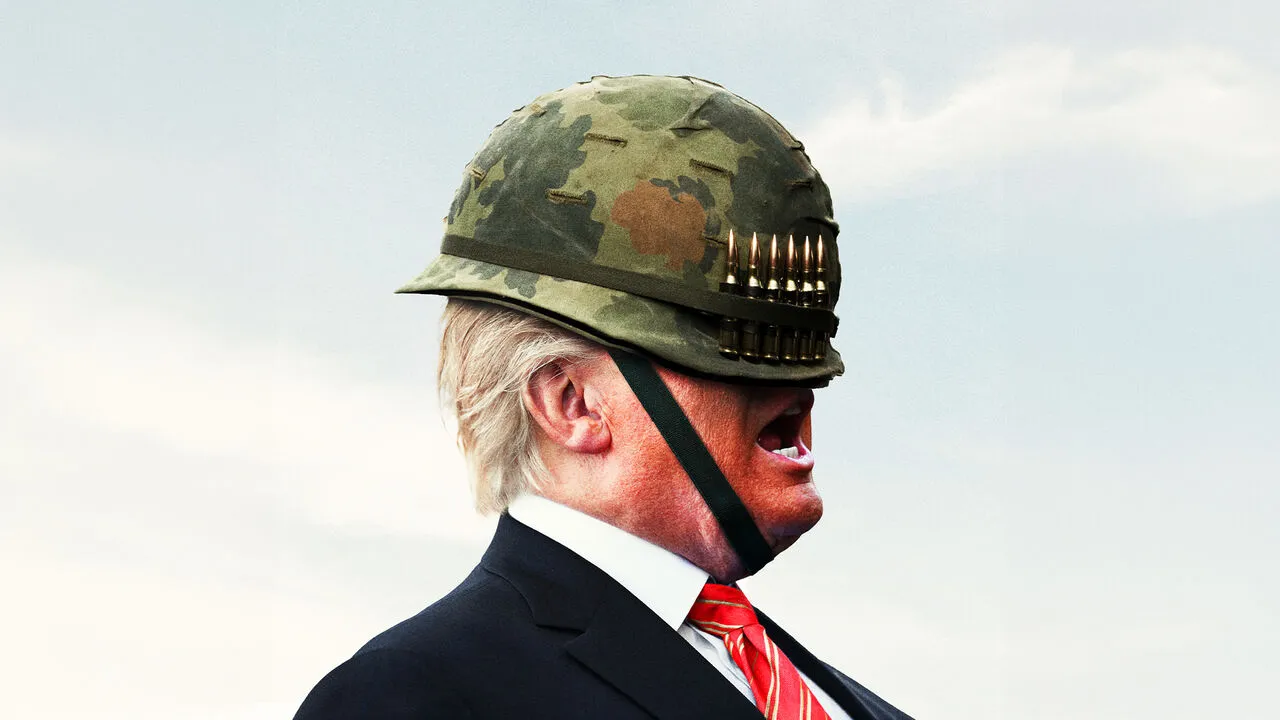
The Economist article notes that the war against Iran is affecting Donald Trump’s key political positions, particularly his ability to shape his own political reality, wield influence and maintain control over the Republican Party.
Despite claims of success, the conflict paints a different picture. Although Iran’s infrastructure has suffered significant damage and certain high-ranking officials have been eliminated, the regime remains resilient and its stockpiles of enriched uranium remain intact.
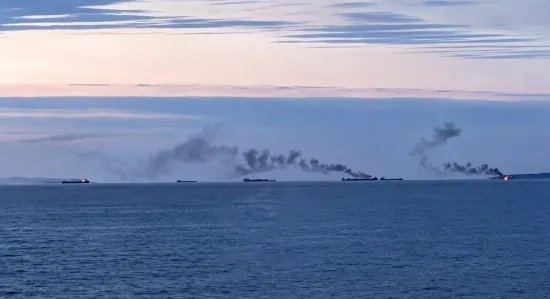
In addition to military operations, Iran is waging a parallel struggle on the energy front. Attacks on shipping in the Strait of Hormuz and on the infrastructure of neighbouring countries are affecting markets. Following the missile strike on a gas facility in Qatar on 18 March, the price of Brent crude exceeded $110 per barrel.
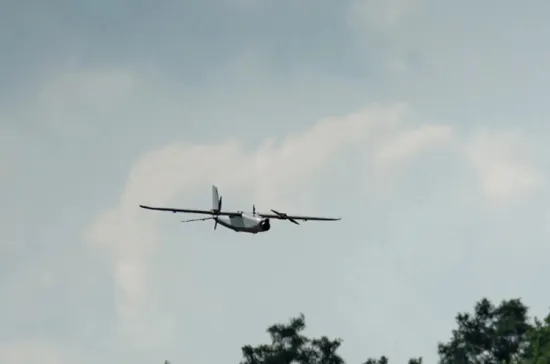
Restrictions on shipping through the Strait of Hormuz could contribute to a further rise in oil prices and increased economic pressure. At the same time, the US and Israel may gradually be losing opportunities for new strikes, whilst Iran is estimated to retain significant resources, particularly drones.
At the same time, the effectiveness of US foreign policy pressure is waning. When Donald Trump called on allies to help reopen the strait, they refused. In response, he changed his stance.
Iran, for its part, is signalling the possibility of allowing ships from friendly countries to pass through the strait, using this as a tool of influence. In the event of a prolonged restriction on shipping, oil prices could rise to $150 per barrel.
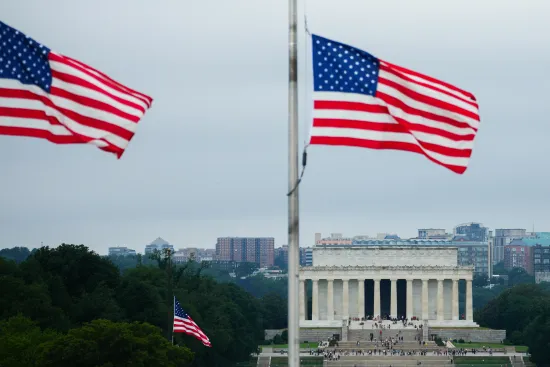
The war is also having consequences for US domestic politics. Donald Trump was elected on promises to avoid war and curb inflation. Thirteen American servicemen are now reported to have been killed, and fuel prices have risen compared to the time of his inauguration.
Support for the war among Republicans remains, but is waning. The article notes that some members of the MAGA movement are expressing dissatisfaction, and there is tension among the party’s elected representatives.
The likelihood of the Republican Party losing control of the House of Representatives in the November mid-term elections is assessed as high, and the risk of losing the Senate has risen to approximately 50 per cent.
Should the conflict drag on, with further rises in energy prices and market declines, Donald Trump may seek other avenues for political action; even after hostilities cease, the resumption of oil production, market stabilisation and the normalisation of shipping could take several weeks.
Persistently high energy prices could continue to put pressure on the President’s political position.
Donald Trump may take a more active role in both foreign and domestic policy. Possible steps include changes in relations with allies, economic policy, as well as domestic decisions regarding the media, monetary policy and immigration.