Vyshyvanka Day 2026: when it is celebrated and the traditions of the festival

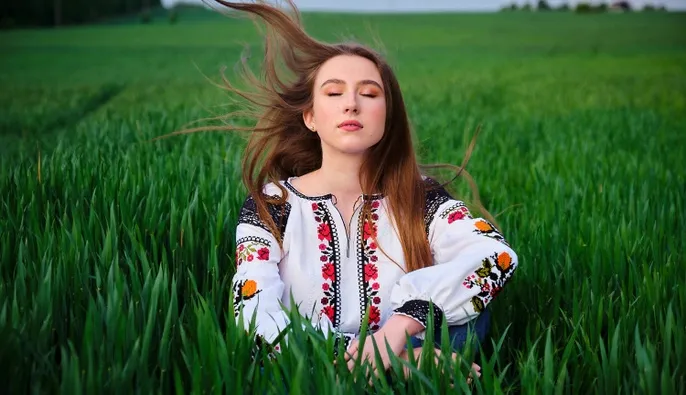
In 2026, Vyshyvanka Day falls on 21 May. It is not an official public holiday, but in terms of scale and significance, it has long since become an event of national importance for Ukrainians both at home and abroad.
Every May, Ukrainians take their vyshyvankas out of their wardrobes – not merely an item of clothing, but a symbol of national unity, remembrance and inner strength.
How the holiday came about
The history of Vyshyvanka Day began in 2006 in Chernivtsi – at the Yuriy Fedkovych Chernivtsi National University.
At the time, students agreed to come to class one day wearing embroidered shirts to support Ukrainian tradition and showcase the beauty of national dress.
The initiative was launched by student Lesya Voronyuk. Over time, this small student initiative grew into an international movement.
Today, Ukrainians celebrate Vyshyvanka Day in various corners of the world – from Canada and the USA to Japan and Australia. On this day, embroidered shirts appear in offices, schools, universities and simply on the streets.
What the vyshyvanka symbolises
For Ukrainians, the vyshyvanka has long held a significance that goes beyond mere clothing. It embodies the history, beliefs and worldview of the people.
It has long been believed that the embroidered patterns act as a talisman, protecting the wearer and their family.
Every colour and symbol had its own meaning. Red symbolised love, energy and life. Black was associated with the earth, strength and wisdom. White signified purity and spirituality.
Geometric patterns in embroidery were associated with harmony and protection, whilst floral motifs were linked to fertility, beauty and the continuation of the family line.
In many Ukrainian families, vyshyvankas were kept as heirlooms and passed down from generation to generation.
Vyshyvanka Day traditions
On Vyshyvanka Day in Ukraine, flash mobs, mass parades in embroidered clothing, folk music concerts, craft fairs, themed photo shoots and exhibitions are held.
Charity initiatives are also organised on this day to support military and cultural projects.
The holiday becomes particularly noticeable when entire groups – schoolchildren, students, doctors, shop assistants, office workers and military personnel – don their embroidered shirts.
Regional characteristics of vyshyvankas
Ukrainian embroidery has many regional styles. Each region has its own colours, techniques and patterns.
In the Poltava region, ‘white-on-white’ embroidery is common. Poltava shirts are characterised by their simplicity, white embroidery on white fabric, delicate floral patterns and the lightness of their details.
Hutsul embroidery is known for its bright colours and dense patterns. In the Carpathians 100 years ago, pattern names such as “cherry”, “rose”, “viburnum”, “eyelet” and “ash” were used. The Hutsul style is characterised by red, yellow, green and orange hues, complex geometric patterns and rich ornamentation.
Podillia embroidery is distinguished by its clarity and symbolism. Most often, it features a combination of red and black, austere geometric motifs and deep symbolic meaning.
Bukovinian shirts are considered true works of art. They often feature beads, gold thread and intricate multi-layered ornamentation. In ancient times, Bukovinian embroidered shirts were called “lyapanky” due to the abundance of lush flowers embroidered in satin stitch on light-coloured fabric.
The Chernihiv region is characterised by light, almost lace-like patterns, subdued colours and refined technique.
In Transcarpathia, each district has its own style of embroidered shirt. The districts of Rakhiv, Berehove, Mukacheve, Uzhhorod, Lemkivshchyna, Boikivshchyna and Dolynyany in Transcarpathia have their own traditions linked to the ethnic groups that have lived in this region.
Transcarpathian patterns are vibrant and diverse. They blend influences from various cultures that have coexisted in the region for centuries.
The Vyshyvanka Today
Today, the vyshyvanka has long since moved beyond being merely festive attire. It is worn every day – as a fashion statement and a symbol of identity.
Ukrainian designers combine traditional patterns with contemporary fashion, giving a new twist to an ancient symbol.
Since the outbreak of full-scale war, the vyshyvanka has taken on an even deeper meaning. It has become a symbol of resilience, a reminder of our roots and the inner strength of Ukrainians who continue to fight for freedom.
As reported by ThePublic, this year’s celebration holds special significance – it marks the 20th anniversary of the event.
Follow us on Telegram