Mobilisation in Russia: The Kremlin is preparing for possible unrest

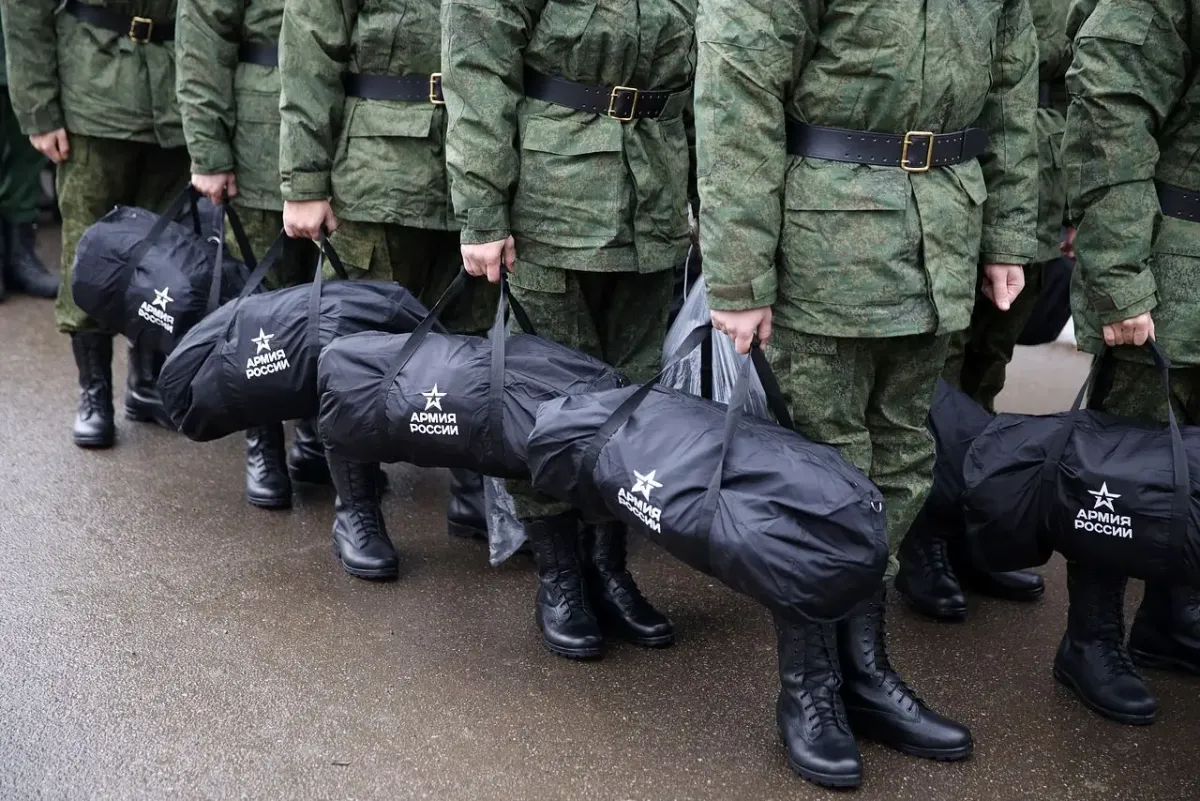
This is reported by ThePublic, citing a report by the Institute for the Study of War dated 22 July.
On 22 July, the Russian State Duma passed a bill expanding the list of people with outstanding or unspent criminal convictions who will be permitted to enter into contracts with the Russian Ministry of Defence.
This relates to service during mobilisation, martial law or in wartime. Those eligible to take advantage of this opportunity include, in particular, individuals convicted of certain offences relating to drug smuggling, participation in organised criminal groups and other serious offences.
Russia’s Deputy Defence Minister Viktor Goremykin stated that the changes are intended to increase the number of citizens eligible for military contracts and to help continue the recruitment of personnel for the war against Ukraine.
The Russian National Guard is amending its rules in preparation for mobilisation
Analysts cite the changes to the agency’s civil defence regulations proposed by the Rosgvardia as another sign.
The draft provides for preparations for dangers that may arise during mobilisation, martial law and in times of war. The rules concern the protection of military personnel and Rosgvardia staff, civilian personnel, subordinate institutions, family members and property.
Analysts point out that the Russian Guard is responsible not only for guarding key facilities but also for maintaining internal order. Therefore, the amendment of its regulations, alongside the expansion of recruitment capabilities, may indicate that the security apparatus is preparing for the consequences of the Kremlin’s unpopular decisions.
The Kremlin may carry out mobilisation gradually
In November 2025, Putin signed a law allowing Russians from the mobilisation reserve to be called upon to carry out tasks in combat zones without a new mobilisation being declared.
The ISW suggested that the Kremlin might use this mechanism to call up small groups of reservists in stages. This approach allows the army to be reinforced without simultaneously announcing a large-scale mobilisation campaign, which could provoke significant public discontent.
The Russian authorities are also continuing to recruit contract soldiers, offering them large one-off payments. The expansion of recruitment among convicted prisoners may indicate that the Kremlin is seeking additional sources to replenish its troops.
Why the Kremlin fears unrest
Mobilisation remains extremely unpopular among the Russian population, the Institute for the Study of War emphasises. The previous open mobilisation campaign in autumn 2022 led to protests, queues at the borders and a mass exodus of men from Russia.
This is precisely why, over the following years, the Kremlin has sought to replenish the army primarily with contract soldiers, convicted criminals, foreigners and reservists recruited covertly.
Analysts suggest that the Russian authorities may simultaneously be preparing the legal framework for mobilisation and strengthening the security forces to control the domestic situation. Under one possible scenario, the announcement of mobilisation could be accompanied by the imposition of martial law.
Has mobilisation been declared in Russia?
As of 24 July 2026, the Russian authorities had not announced a new general or partial mobilisation. Nor is there any official information regarding its possible timing, scale or procedure.
The ISW emphasises that the final decision will depend on Putin. He may take into account the situation of Russian troops on the front line, the level of casualties, the capacity for contract recruitment, and the internal stability of the regime.
Expanding the mobilisation resources available to the Kremlin could help Russia make up for its losses and sustain the intensity of hostilities for longer.
However, any decisions taken will not result in an immediate increase in the number of troops on the front line. The Russian army will still need time to select, train, equip and deploy new units to the combat zone.
Follow us on Telegram.