Russia's gold reserves have fallen to their lowest level since March 2022

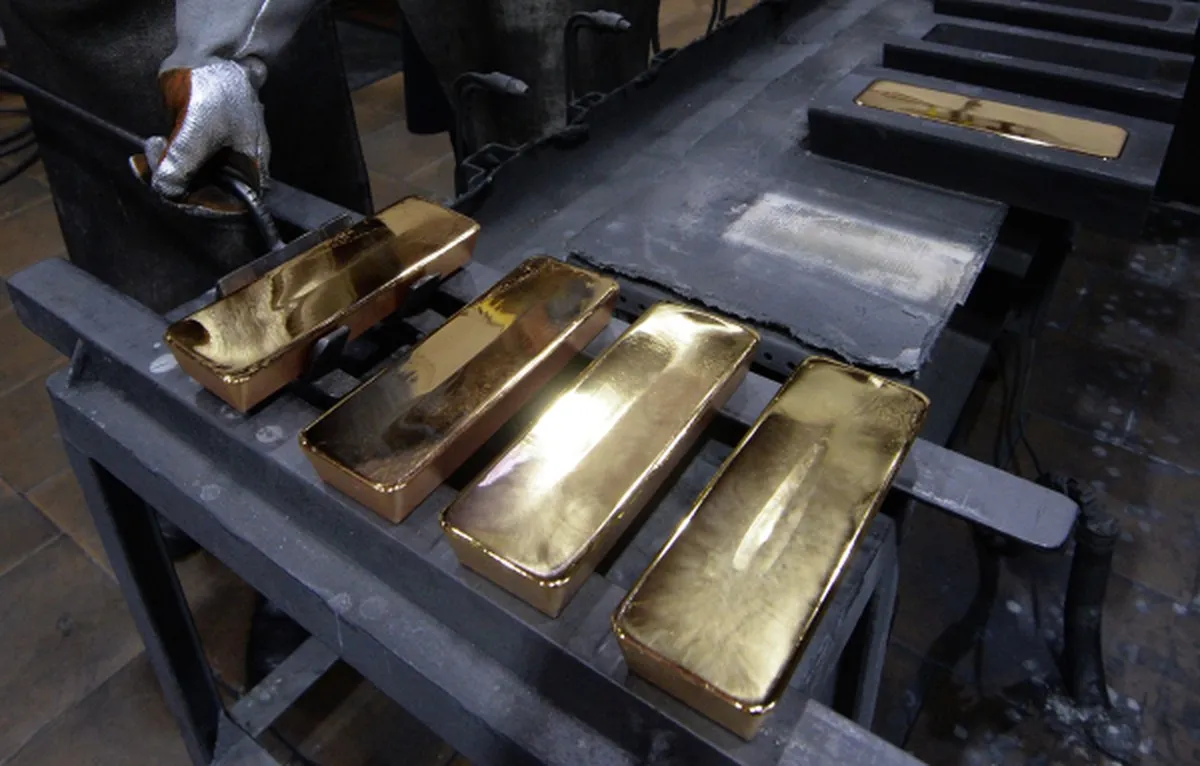
Russia’s gold reserves fell by approximately 15 tonnes in 2026, standing at 2,311 tonnes as of early March, compared with 2,326 tonnes in January. This is the lowest level since March 2022.
The Central Bank of the Russian Federation first began selling gold to domestic market participants in November 2025. Prior to this, the regulator had adhered to a policy of accumulating the metal. Since then, sales have continued and their volume has been growing.
The mechanism used involves exchanging gold for yuan. Commercial banks, which are subject to less stringent restrictions, sell the metal on external markets and retain the proceeds to maintain liquidity.
Russia’s total international reserves fell from $833.6 billion to $809.3 billion in February. At the same time, around $300 billion consists of frozen assets that are unavailable for use.
Gold accounts for almost 47 per cent of the reserves, making it one of the key liquid instruments. The pressure on reserves stems from the need to cover the budget deficit, restricted access to reserve currencies due to sanctions, and the need to maintain yuan liquidity for currency interventions.
Against this backdrop, most of the world’s central banks continue to build up their gold reserves as a means of diversification and protection against dollar dependence.
The Foreign Intelligence Service of Ukraine notes: ‘This dynamic reveals the structural vulnerability of the Russian financial system. Gold has become a short-term liquidity substitute rather than a strategic reserve. At the same time, dependence on the yuan and China’s financial infrastructure is growing – a dependence that Beijing is unlikely to view as a burden.”