A Verkhovna Rada committee has criticised the work of the State Bureau of Economic Security following the suspension of the anti-shadow economy campaign in the tobacco sector

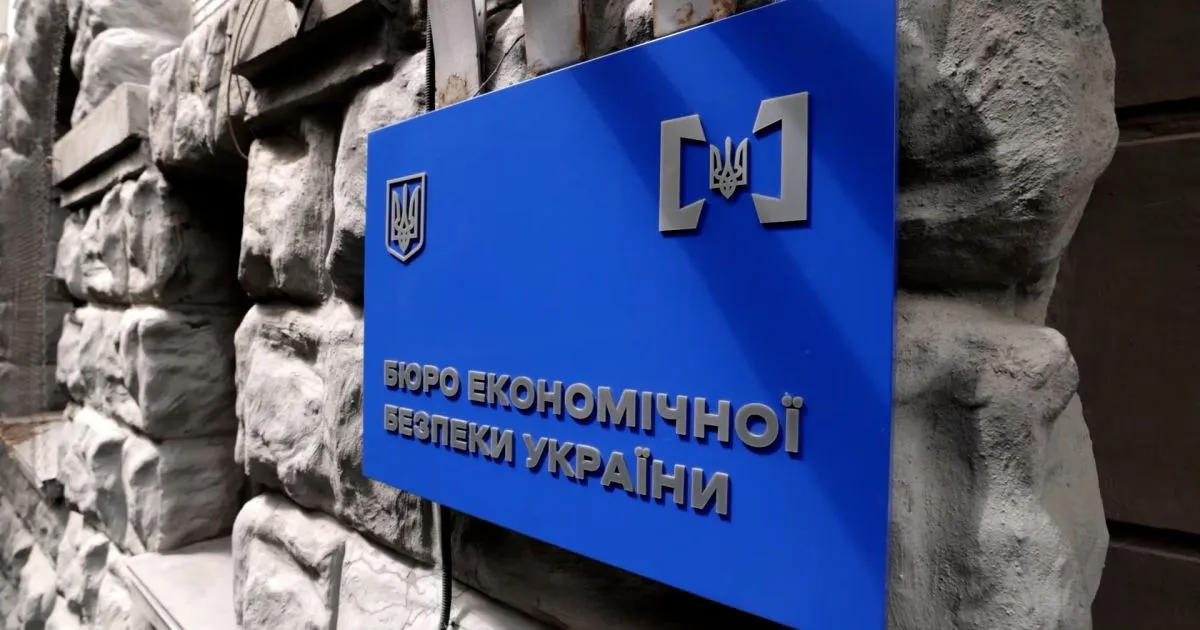
The Parliamentary Committee on Finance, Tax and Customs Policy has noted a decline in the performance of the revamped Economic Security Bureau and a halt to efforts to bring the economy out of the shadows, according to Glavkom. MPs note that, over the course of a year, the EBS has undone all the progress previously made by law enforcement agencies in certain sectors. This is stated in the committee’s resolution following the hearing of the report on the ESBU’s activities for 2025 and on the state of the country’s economic formalisation, which was published by Ukrainian MP Danylo Getmantsev.
“Whilst the shadow economy stood at 12.6 per cent in October 2024, by the end of 2025 this figure had already reached 17.8 per cent. Therefore, the use of the annual average figure when assessing the ESBU’s performance in 2025 – and particularly in the second half of the year – is misleading. In fact, throughout 2025, all the achievements and progress made by the tax and law enforcement authorities in 2024 were undone,” the document states.
In the view of MPs, further evidence of the stalling of de-shadowing processes in the tobacco sector is provided by the tax figures for tobacco manufacturers and the growth of the illegal market, as recorded in Kantar’s research.
MPs also criticised the analytical work of the Bureau of Economic and Business Investigations (ESBU), noting that both its volume and quality had declined. Furthermore, the results of pre-trial investigations are systematically deteriorating. In particular, in 2025, detectives charged suspects and referred fewer than 13 per cent of criminal cases to court. This year, these figures have worsened further.
“Between January and April 2026, ESBU detectives investigated 3,938 criminal cases, of which charges were brought in 320 cases, or 8.1 per cent of the total number of criminal cases investigated, 314 criminal cases – or 8 per cent of the total number of cases investigated – were referred to court,” the committee’s report states.
Other areas of the ESBU’s work deemed wholly or partly unsatisfactory include combating business fragmentation, staff renewal and internal control within the Bureau, compensation for losses, and cooperation with the tax authorities. “Overall, it has been established that the agency lacks a strategic approach to organising its activities, clear work planning and a systematic vision of priority areas. In other words, there are no signs of comprehensive, systematic and risk-based work aimed at combating the shadow economy and minimising its negative impact on the state budget system,” the document states, adding that the Bureau’s report does not indicate that the Economic Security Bureau’s activities have become effective, nor that its impact on the state’s economic security is significant.
Consequently, MPs recommended that the Economic Security Bureau focus on identifying the highest-risk sectors, increase its actual impact on budget revenues, rectify the identified shortcomings and improve the quality of its reporting.
For his part, MP Danylo Getmantsev noted that the committee would systematically monitor the work of the bodies responsible for bringing the economy out of the shadows. “From now on, we will hear from the bodies responsible for bringing the economy out of the shadows on a monthly basis. Not plans, not presentations, but specific indicators and results achieved,” he wrote.
It should be recalled that the chair of the parliamentary committee on finance, tax and customs policy previously stated that, following its reorganisation, the Economic Security Bureau had failed to demonstrate effective performance, whilst the agency’s new leadership was attempting to mask reality with presentations.