Diesel fuel production in Russia has fallen following attacks on oil refineries

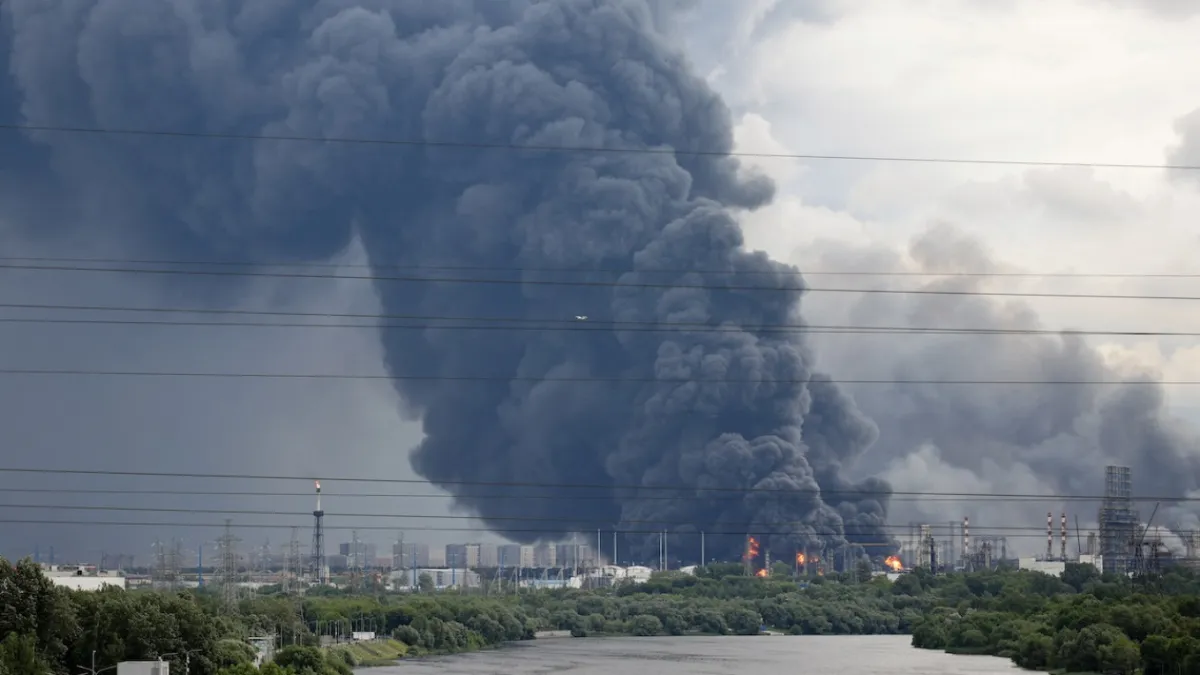
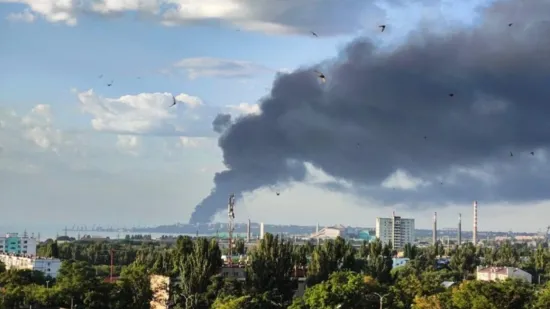
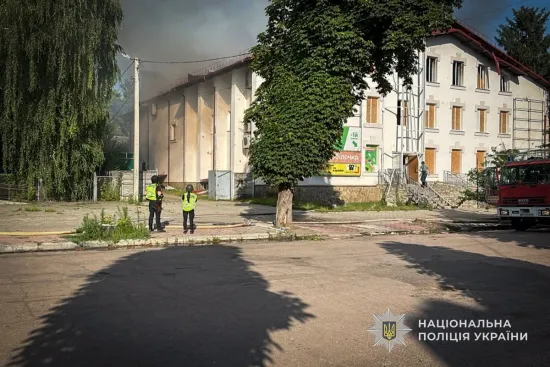
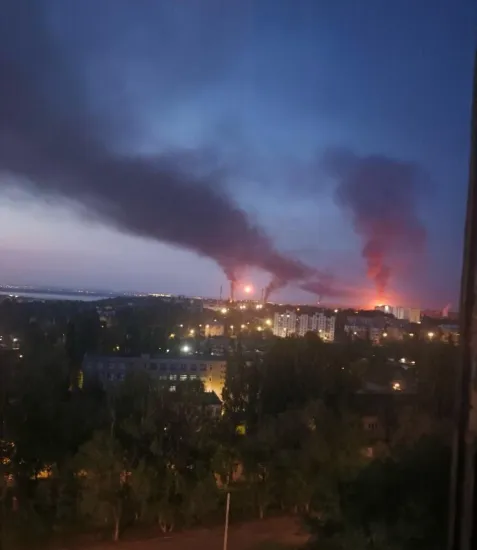
Ukrainian strikes on oil refineries – all ten of Russia’s largest refineries have been targeted over the past two months – have led to a significant reduction in diesel production. This is according to Reuters, citing industry sources.
According to the agency’s estimates, whilst Russia previously produced around 40 per cent more diesel fuel than it consumed on the domestic market, production volumes have now fallen to roughly the level of domestic demand.
Reuters also notes that petrol production in June fell by 25 per cent year-on-year after at least five refineries halted production due to fires and damage to processing units. According to the agency, the situation may have worsened in July following the shutdown of the Nizhegorodnefteorgsintez plant, as well as the Omsk Oil Refinery.
According to sources speaking to Reuters, Russia currently has no surplus of diesel fuel, which was previously exported. Consequently, the Russian government has imposed a total ban on diesel exports for the first time since 2023. According to the agency’s sources, this decision is linked to the shutdown of a number of large oil refineries in the European part of Russia, but it may make it more difficult to supply the domestic market with petroleum products.
Reuters notes that after 2024, Rosstat and the Russian Ministry of Energy ceased publishing real-time statistics on the production of petroleum products. According to economist Kirill Rodionov, domestic consumption of diesel fuel in Russia stood at 52.2 million tonnes in 2023, whilst exports reached 35.7 million tonnes.
Kirill Rodionov believes that, despite unscheduled maintenance at oil refineries, the surplus in diesel fuel production capacity is most likely still in place. At the same time, he says, a prolonged export ban could affect oil production volumes.
Chris Weifer, head of the consultancy firm Macro Advisory, estimated that around a third of Russia’s oil refining capacity is currently idle. He said this is happening at the start of the harvest season.
Vladimir Poklad, director of the management consultancy practice at the Delovoy Profil group, told Forbes that the diesel fuel shortage is most acute in the Krasnodar Krai, Stavropol Krai and Rostov Oblast. He said that some petrol stations are imposing restrictions on the sale of diesel fuel.
The Financial Times, citing a senior figure in the Russian energy sector, reports that the increase in the number of drones simultaneously attacking a single target is making it more difficult to defend oil refineries. The source told the publication that the defence systems used previously cannot cope with such a load.