A drone attacked a radiation monitoring laboratory near the Zaporizhzhia Nuclear Power Plant: a statement from the IAEA


This was reported by the IAEA.
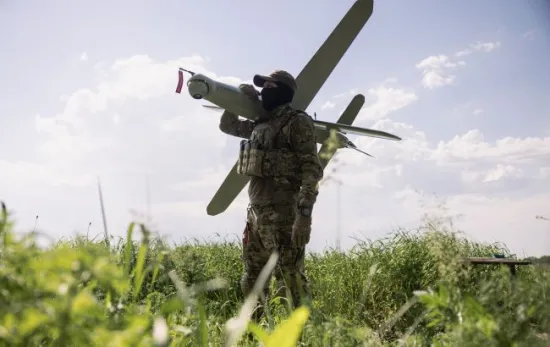
The IAEA reported a drone attack on the External Radiation Control Laboratory at the Zaporizhzhia NPP.
According to the agency, the Zaporizhzhia NPP informed the IAEA that the drone targeted the External Radiation Control Laboratory.
The facility is located outside the perimeter of the ZNPP. According to preliminary data, there were no casualties or injuries.
However, it is currently unknown whether the strike caused damage to the laboratory.
The IAEA team on site has requested access to the facility to assess the situation.
IAEA Director General Rafael Grossi stressed that any attacks near nuclear facilities could pose risks to nuclear safety.
IAEA response
The IAEA stressed that incidents near nuclear facilities remain dangerous even when there are no casualties.
Grossi has repeatedly stated that military activity near nuclear power stations poses additional risks to nuclear safety.
In March 2026, he also noted that the situation at the Zaporizhzhia NPP remains complex, particularly due to issues regarding external power supply, cooling water and the plant’s proximity to the front line.
The IAEA previously reported that six reactors at the Zaporizhzhia NPP are in a cold shutdown state; however, the plant still requires power and water for safety systems, reactor cores and spent fuel storage pools.
In previous updates, the agency also warned that even for shut-down reactors, a total blackout could pose a risk of an accident if the emergency diesel generators fail and power cannot be restored in time.
What is known about the situation at the ZNPP
The Zaporizhzhia Nuclear Power Plant has been under Russian occupation since 4 March 2022.
Since then, the ZNPP has repeatedly been at the centre of incidents linked to military operations, risks to the power supply and the safety of the nuclear facility.
On 14 April, the plant experienced its 13th blackout since the start of the occupation.
In January, it was reported that Moscow was insisting on the electricity generated by the occupied ZNPP being shared between Ukraine and Russia.
Also in January, reports emerged that the Russian army had deployed military equipment near the nuclear reactors at the Zaporizhzhia NPP.
Such actions were described as a violation of international humanitarian law.
The IAEA continues to have a team on site at the ZNPP and regularly reports on risks related to the plant’s safety.
In this instance, the agency’s inspectors requested access to the external radiation monitoring laboratory to assess the consequences of the attack.
As reported by ThePublic, Ukraine and the IAEA have signed a memorandum on the development of nuclear power plants
Follow us on Telegram