Scientists have developed a vaccine using AI for the first time: which virus will it target?

Boris Bodnar
Boris Bodnar Journalist
Scientists have developed a vaccine using AI for the first time: which virus will it target?

The vaccine was developed using AI
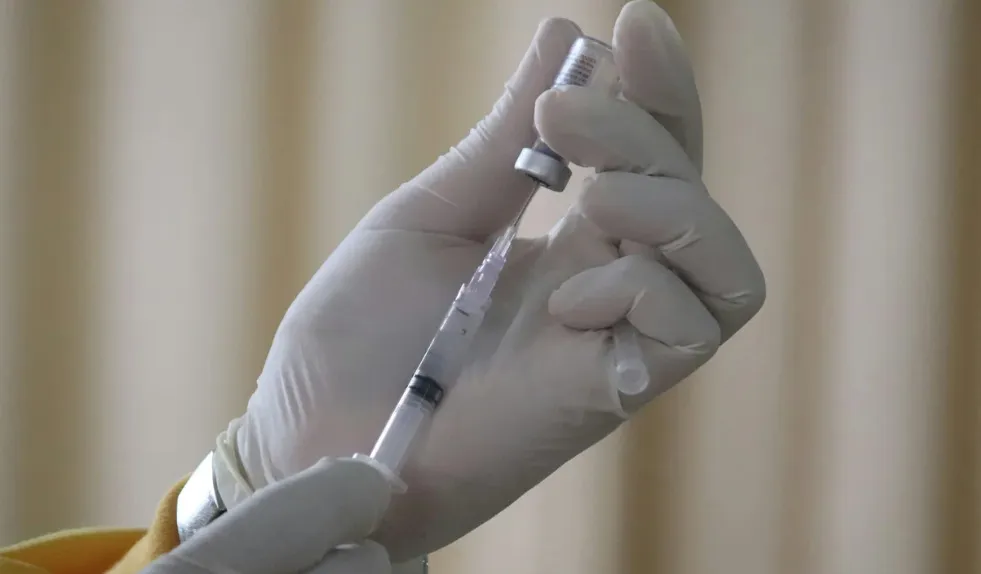
Researchers at the University of Cambridge have developed a vaccine against all types of coronavirus using artificial intelligence. They are also working on developing new treatments for Ebola and influenza.

This is according to the BBC.

Researchers claim that this is the first time a key component of a vaccine has been developed entirely using artificial intelligence and has already been tested on humans. It is reported that, instead of using a single specific strain of the virus, the scientists took several known genetic codes from open-source virus threat monitoring programmes.

Artificial intelligence then analysed this data set and designed a ‘superantigen’ which, according to the researchers, is capable of overcoming viruses. According to media reports, the AI-generated antigen enables the human immune system to protect the body against all types of coronavirus — even if it mutates.

“This is a fundamental shift in how we prepare for pandemics. It’s about creating vaccines that protect us not only from today’s viruses, but also from whatever might cause the next outbreak or disease,” said the study’s lead researcher, Professor Jonathan Heeney.

According to the researchers, 39 people took part in the antigen trials. A second study, involving around 200 people, will provide a deeper understanding of how well the vaccine trains the immune system, the university says.

Follow us on Telegram

Share tittle
Science
In Japan, rare crested ibises, which had become extinct in the country several decades ago, have been reintroduced into the wild
Science

In Japan, rare crested ibises, which had become extinct in the country several decades ago, have been reintroduced into the wild

For the first time in several decades, eight crested ibises – a species that became extinct in Japan in the last century – have been released into the wild.

01.06.2026
A nature reserve is to be established near the Ukrainian Antarctic research station 'Akademik Vernadsky'
Science

A nature reserve is to be established near the Ukrainian Antarctic research station 'Akademik Vernadsky'

Ukraine has secured the establishment of a new specially protected area in Collins Bay, located near the Akademik Vernadsky station in Antarctica. The initiative was approved following three years of intensive international negotiations.

25.05.2026
The State Special Communications Service is calling for increased funding for Ukrainian crypto technologies
Science

The State Special Communications Service is calling for increased funding for Ukrainian crypto technologies

The State Service for Special Communications and Information Protection of Ukraine plans to develop a domestic industrial base for cryptographic solutions and to support research institutions.

25.05.2026
Artificial intelligence will be able to create its own next generations by the end of 2028
Science

Artificial intelligence will be able to create its own next generations by the end of 2028

Over the next 12 months, artificial intelligence, working in collaboration with humans, could make a scientific discovery that wins a Nobel Prize.

22.05.2026
A laboratory has opened in Japan where medical experiments are carried out by robots
Science

A laboratory has opened in Japan where medical experiments are carried out by robots

Tokyo University of Science in Japan has opened a laboratory where medical experiments are carried out by robots without human involvement.

11.05.2026