Black Sea: Russia has declared its zone a danger zone for ships

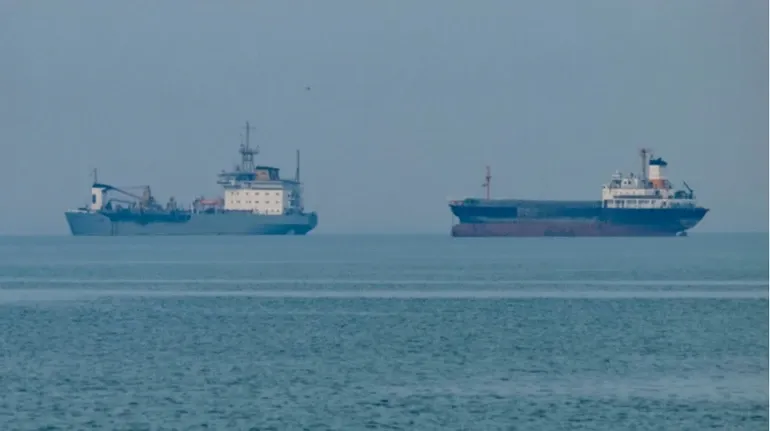
This was reported by Bloomberg, citing a bulletin from the Russian Ministry of Defence published on 22 July.
The warning was addressed to all vessels within Russia’s exclusive economic zone in the Black Sea. Routes to several Russian ports pass through this area, including Novorossiysk – one of the Russian Federation’s main export hubs.
An exclusive economic zone is not a state’s territorial waters. Under the United Nations Convention on the Law of the Sea, the coastal state has rights to exploit natural resources within it, but foreign vessels retain freedom of navigation.
Therefore, the Russian announcement does not signify a formal closure of the Black Sea or a complete ban on traffic. It is a navigational warning of increased risk, which shipowners, carriers and insurance companies will take into account when planning their routes.
What is happening in Novorossiysk
The port of Novorossiysk has already introduced temporary restrictions on vessel traffic at night – from midnight to 5.00 am local time. According to Reuters, shipping companies received this instruction verbally, without an official written document.
The port continues to operate during the day. However, the night-time restrictions may slow down loading operations, as some operations in Novorossiysk are usually carried out around the clock.
Novorossiysk is Russia’s largest port in terms of transhipment volume. Oil, grain, metals and containerised cargo are exported via the port. The port accounts for approximately one-third of Russia’s grain exports.
How many Russian vessels were attacked
According to the General Staff of the Armed Forces of Ukraine, between 8 and 20 July, at least 124 vessels linked to Russia were attacked in the Black and Azov Seas. Among them were 89 tankers.
Ukrainian strikes are primarily directed against vessels involved in Russian oil and military logistics. Damage to tankers and port infrastructure is hampering the export of raw materials, which remains one of the Russian Federation’s main sources of revenue.
Shipments of Kazakh oil have been halted
Risks in the Black Sea have already affected Kazakhstan’s exports. The Caspian Pipeline Consortium has halted oil shipments following attacks on tankers near its Russian terminal.
Subsequently, the consortium stopped accepting new volumes of Kazakh oil as the terminal’s storage tanks were full. Around 80 per cent of Kazakhstan’s oil exports pass through the CPC system.
According to Reuters, Kazakhstan was forced to cut production. Output from the country’s largest field, Tengiz, was reduced by more than half – from approximately 925,000 to 406,000 barrels per day.
The Caspian Pipeline Consortium route accounts for around 2 per cent of the world’s daily oil supply. A prolonged shutdown could affect not only Russia and Kazakhstan, but also global energy prices.
Russia is simultaneously attacking Ukrainian ports
Russian forces are continuing to strike Odesa, Chornomorsk and civilian vessels heading for Ukrainian ports. Due to the increased danger, some shipowners have suspended calls at ports in the Greater Odesa area.
Ukraine has not imposed an official ban on shipping. The decision to temporarily refrain from sending ships was taken by the shipowners themselves following a risk assessment.
According to Ukrainian prosecutors, Russia attacked 28 civilian vessels between 20 June and 20 July. Twenty-one people were killed as a result of the attacks.
Follow us on Telegram.