Bribes for military housing: who is linked to the NABU investigation

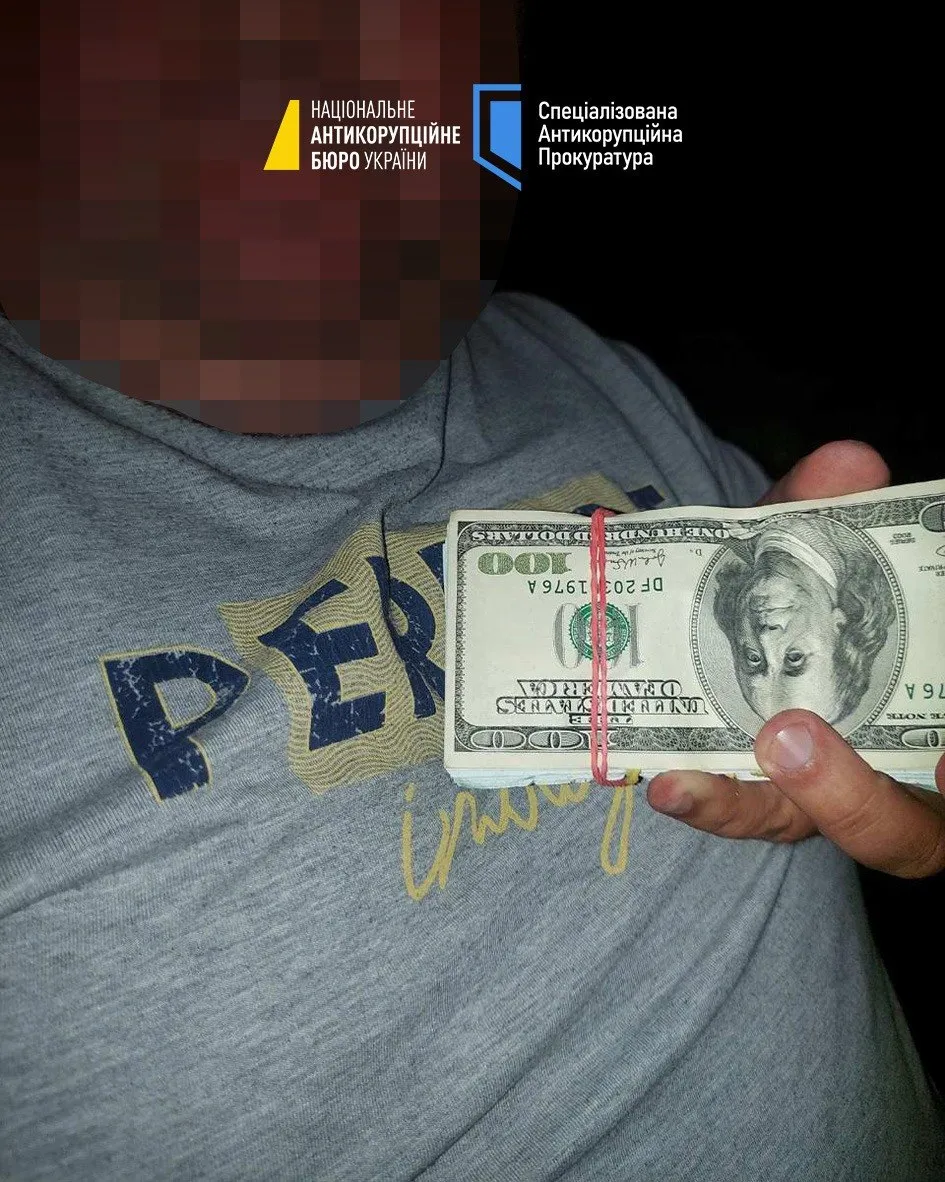
This has been reported by the National Anti-Corruption Bureau of Ukraine.
According to the investigation, in March 2021, the head of one of the regional departments of the Armed Forces of Ukraine’s Military Law Enforcement Service proposed to a property developer that they organise the construction of a block of flats on the site of a military town in Lviv.
The official was also the commander of this military town. In return for facilitating the project, he and individuals he had enlisted allegedly demanded $2.2 million.
The National Anti-Corruption Bureau of Ukraine (NABU) claims that $1.5 million was intended directly for the military official. He allegedly planned to pass on part of this money to members of the Cabinet of Ministers in exchange for their approval of a joint activity agreement between the property developer and the subordinate military unit.
A further $700,000, according to the investigation, was to be shared between a former lawyer and another developer who helped to facilitate the arrangement.
Detectives stated that they had documented the transfer of $2 million in cash between March 2021 and July 2023.
Four people have been notified of the allegations:
- a military official;
- a property developer;
- a former lawyer;
- another property developer.
The official statements from NABU and the SAP do not mention their names.
Who do the public documents point to?
ThePublic analysed court rulings, the history of the military unit’s leadership, declarations and information from state registers.
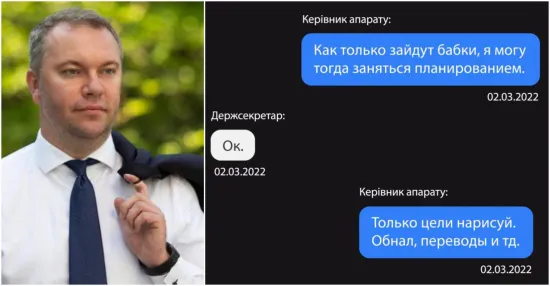
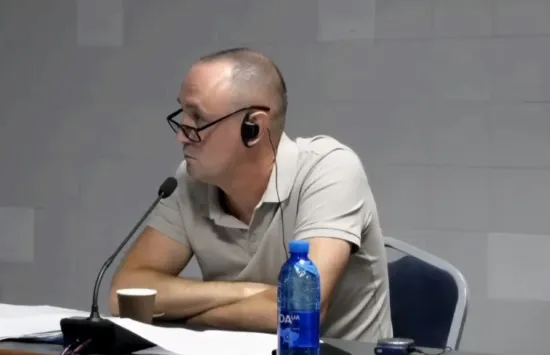
Taken together, this publicly available data suggests that the military official may be Colonel Mykola Bobyk, and the property developer may be Yuriy Kurylo.
This is not an official confirmation by NABU or the SAP. It is a journalistic identification based on a match between the position, place of service, period, military unit, plot of land and participants in the construction project.
Why Mykola Bobyk may be the military official
The NABU report refers to a person who, in March 2021, headed the territorial administration of the Military Law Enforcement Service and simultaneously commanded a military unit in Lviv.
At that time, Mykola Bobyk was associated with the Western Territorial Directorate of the Military Law Enforcement Service and military unit A0583.
In March 2020, the state-run publication ArmyInform referred to Colonel Mykola Bobyk as the head of the territorial directorate of the Military Law Enforcement Service.
Registration records also show that Bobyk was the commander of military unit A0583 from November 2019 to April 2022. The unit is registered on Horodotska Street in Lviv.
In his declarations, Bobyk listed his position as commander of military unit A0583. Publicly available publications by the Military Law Enforcement Service also referred to him as the commander of this unit and the head of the Western Territorial Directorate.
Thus, Bobyk’s position, place of service and period of service match the description of the suspect published by NABU.
However, the anti-corruption authorities have not publicly stated that it was Mykola Bobyk who was placed under suspicion in this case.
What was found in the High Anti-Corruption Court’s case files
Further details are contained in the ruling of the Appeals Chamber of the High Anti-Corruption Court dated 18 December 2025.
Names have been redacted in the document, but it describes the alleged transfer of an unlawful benefit to the commander of a military unit in exchange for facilitating the development of the military town in Lviv.
According to the investigation in this case, the official demanded property rights to a plot in the ‘Krakivskyi’ residential complex. In return, he was to provide the developer with the legal grounds for the construction of a residential and administrative complex on military land.
The decision specifies the plot’s cadastral number as 4610136600:04:007:0020.
Court documents show that the commander of the military unit facilitated the conclusion of a joint venture agreement between the unit under his command and an individual entrepreneur. Following this, the developer entered into contracts for a flat and other premises with the official himself and his wife.
These involved:
- an apartment worth over 1.5 million UAH;
- a parking space with a storage room for 207,000 UAH;
- a basement room for 388,000 UAH;
- another property for 440,500 UAH.
The total value of the property specified in the contracts exceeded 2.5 million UAH.
The investigation considered that the property could constitute an unlawful benefit in connection with facilitating the development of military land. The court agreed to the seizure of this property, as it could be of significance as material evidence.
How this may be linked to the new allegations
The circumstances outlined in the High Anti-Corruption Court’s ruling partly coincide with a new report from the National Anti-Corruption Bureau of Ukraine (NABU):
- the development of a military town in Lviv;
- the commander of a military unit;
- a joint venture agreement with a property developer;
- events beginning in 2021;
- receipt of benefits in return for facilitating the project’s implementation.
At the same time, there is a difference. The court order concerns the possible transfer of a flat and other premises, whilst the latest report from NABU refers to $2 million in cash.
There is no direct indication in NABU’s publicly available materials that this is the same criminal case. It cannot be ruled out that these relate to different aspects of a single development project or to interconnected investigations.
Therefore, it is not possible to assert that the cases are entirely identical without official confirmation.
Why Yuriy Kurylo could be the developer
The High Anti-Corruption Court’s ruling mentions the service co-operative “TIZ ‘Krakivskyi Residential Complex’”. Contracts for the flat and other premises, which the investigation considered to be a possible unlawful benefit, were concluded on behalf of this organisation.
According to the public register, Yuriy Petrovych Kurylo is the director, authorised signatory and one of the founders of the co-operative. The organisation’s main area of activity is the organisation of building construction.
The cooperative is registered in Lviv at 38 Shevchenko Street. In the court ruling, the head of this organisation appears under a code name and is described as the person who entered into contracts with a military official and his wife.
This coincidence gives reason to believe that Yuriy Kurylo may be a property developer linked to the construction project under investigation.
What is known for certain
NABU and the SAPO have officially announced that four people are under suspicion in a case involving the extortion and transfer of $2.2 million in exchange for facilitating the construction of housing on the territory of a military town.
According to the investigation, $2 million was in fact handed over in cash. The transfer of funds was allegedly recorded over a period of more than two years – from March 2021 to July 2023.
The names of the suspects have not been officially disclosed.
Publicly available information suggests that the military official may be Mykola Bobyk, and the property developer linked to the construction project may be Yuriy Kurylo. However, only the National Anti-Corruption Bureau of Ukraine (NABU), the Specialised Anti-Corruption Prosecutor’s Office (SAPO) or court documents in which the names are not redacted can definitively confirm their status in the new proceedings.
The pre-trial investigation is ongoing. A notice of suspicion does not imply a finding of guilt. Only a court can find a person guilty after considering the evidence.