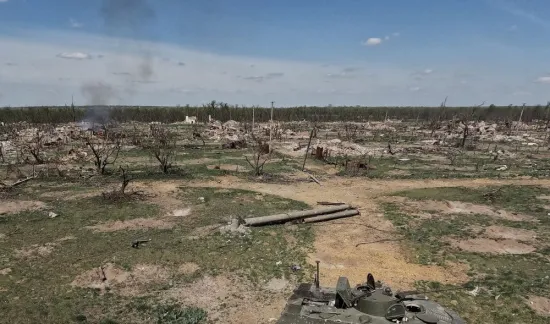
Britain is preparing for a possible major conflict

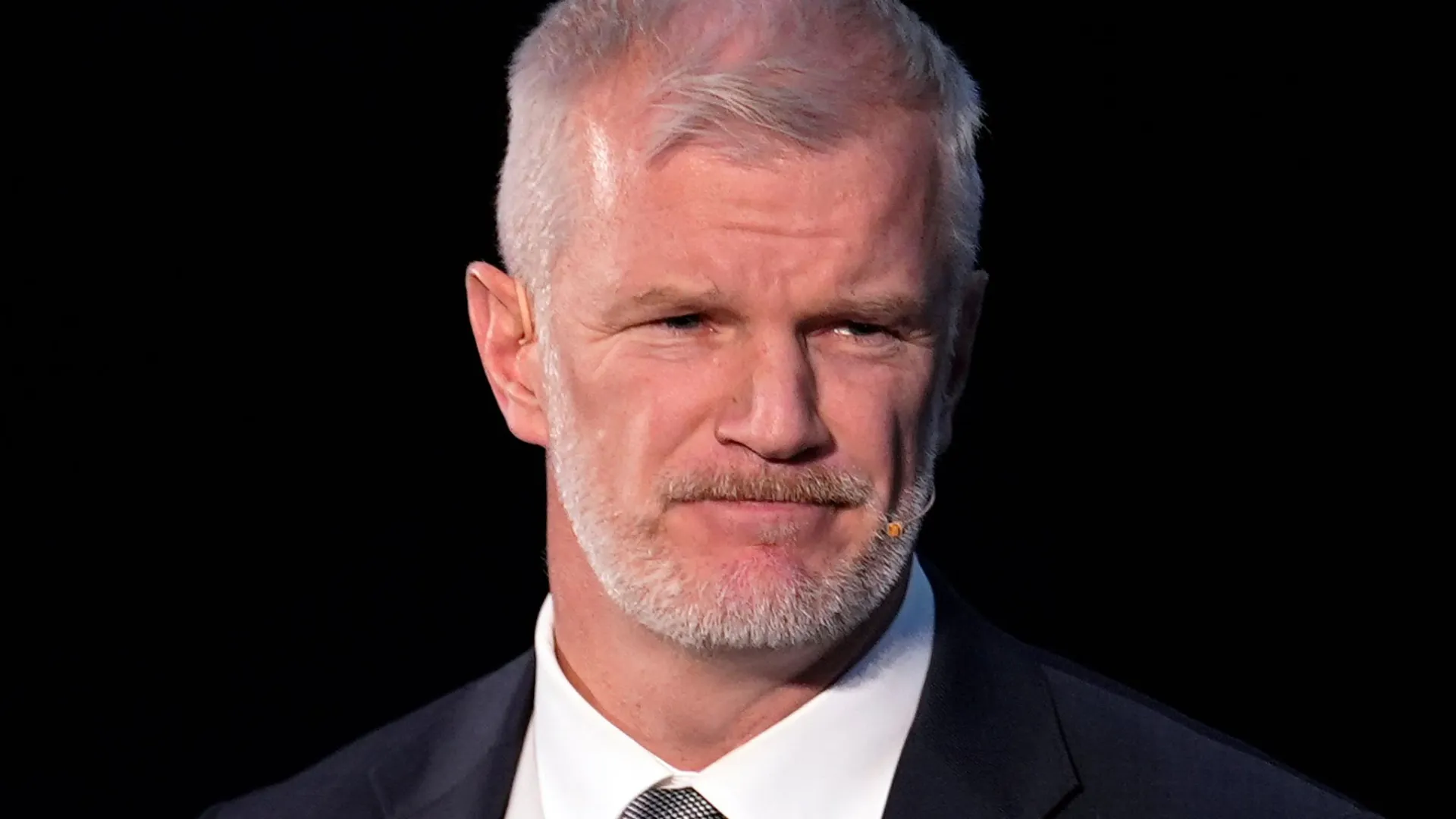
The UK is rapidly forming an updated plan to prepare the country for a possible war, said the Minister of the Armed Forces Alistair Carns. According to him, Europe is once again facing the threat of a large-scale armed conflict, and the “shadow of war is knocking on the continent's door&rdquo. Against this backdrop, London has recorded a sharp jump in hostile activity against British military facilities and personnel - by more than 50 per cent over the year. This is reported by The Public with reference to Sky News.
Carnes stressed that modern wars are won not only by armies, but also by societies, economies and industries, so the country needs a new model of mobilisation. The minister confirmed that, together with the Cabinet of Ministers, the ministry is updating its approach to the role of civilians, businesses and government agencies in the event of a threat.
At the same time, the government announced the launch of a new unified unit, the Military Intelligence Services. It will include the intelligence structures of the army, navy and air force, as well as a separate counterintelligence service designed to counter cyberattacks, espionage and physical threats from Russia, China, Iran and North Korea. The centre of the new joint venture will be RAF Wyton in Cambridgeshire, where the largest Five Eyes intelligence hub already operates.
The head of British military intelligence, Adrian Bird, said that the level of hostile activity is unprecedented. This includes attempts to penetrate critical systems, data collection, surveillance and cyber attacks. The government also recognises the acute shortage of personnel in intellectual structures and is preparing a campaign to attract new specialists.
Carnes stressed that the British people need to realise the reality of the threats and the link between the war in Ukraine and their own security. He added that the return of an updated analogue of the old “Government War Book” system, which determined the actions of society in the event of war, is quite possible.
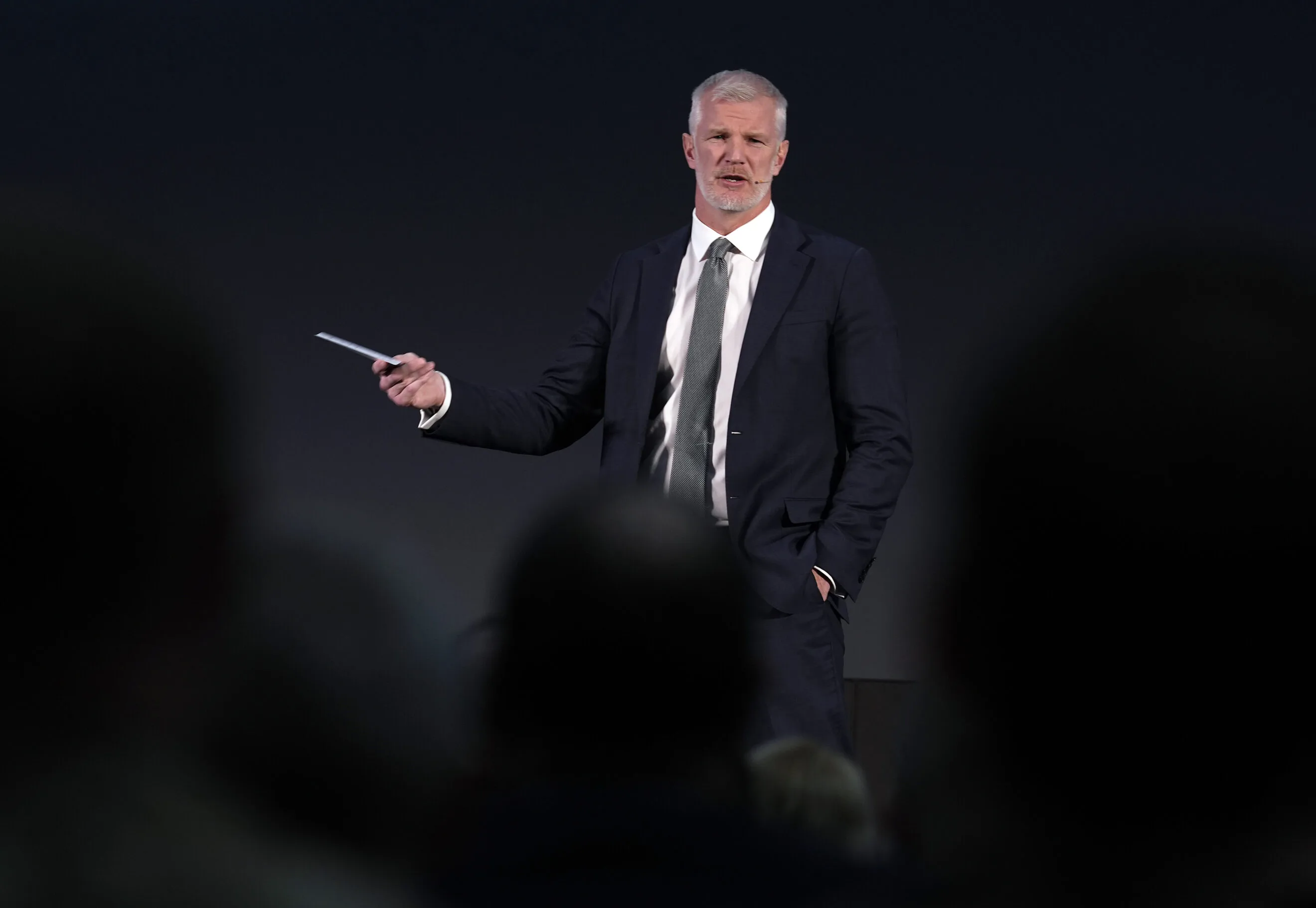
The British minister's warning echoes the words of NATO Secretary General Mark Rutte, who has called on Europe to be prepared for a conflict on a scale that previous generations have not experienced.
The British army could be completely depleted in six months or a year in the event of a full-scale war. This was stated by the Minister for Veterans Affairs Al Karnes, who is a reservist himself. He emphasised that the Russian army loses up to 1,500 killed and wounded every day and still continues its offensive, which demonstrates its ability to wage a war of attrition.
Carnes explained that Britain does not have enough trained reserves. The reserve forces have been underfunded for years, lacking equipment, training and records. The minister admitted that the Ministry of Defence does not even have complete data on the strategic reserve, which has traditionally consisted of former military personnel ready to return to duty in a crisis.
He stressed that in modern warfare, a professional army only starts the fight, and numerous volunteers and reservists finish it, as Ukraine has proven. Without massive reserves, Britain is unable to quickly build up forces in the event of a major conflict.
At the same time, military analysts point out that the British army's strength of 72,500 is the lowest in a century. Such a model can only function as a light, high-tech force, but is not capable of performing large-scale tasks in the event of a major war in Europe.
Experts suggest increasing the army to at least 100,000 and modernising it so that the UK can make a strategically important contribution to NATO defence. They believe that sufficient mass and resilience can deter the threat.
The government promises to review the defence strategy in the spring and develop a "new deal for the reserves", which should return investment in training, equipment and mobilisation capabilities. The emphasis is expected to be on the country's ability to quickly create a combat reserve in a crisis situation.