Britain and European allies discuss possibility of arresting tankers belonging to Russia's shadow fleet

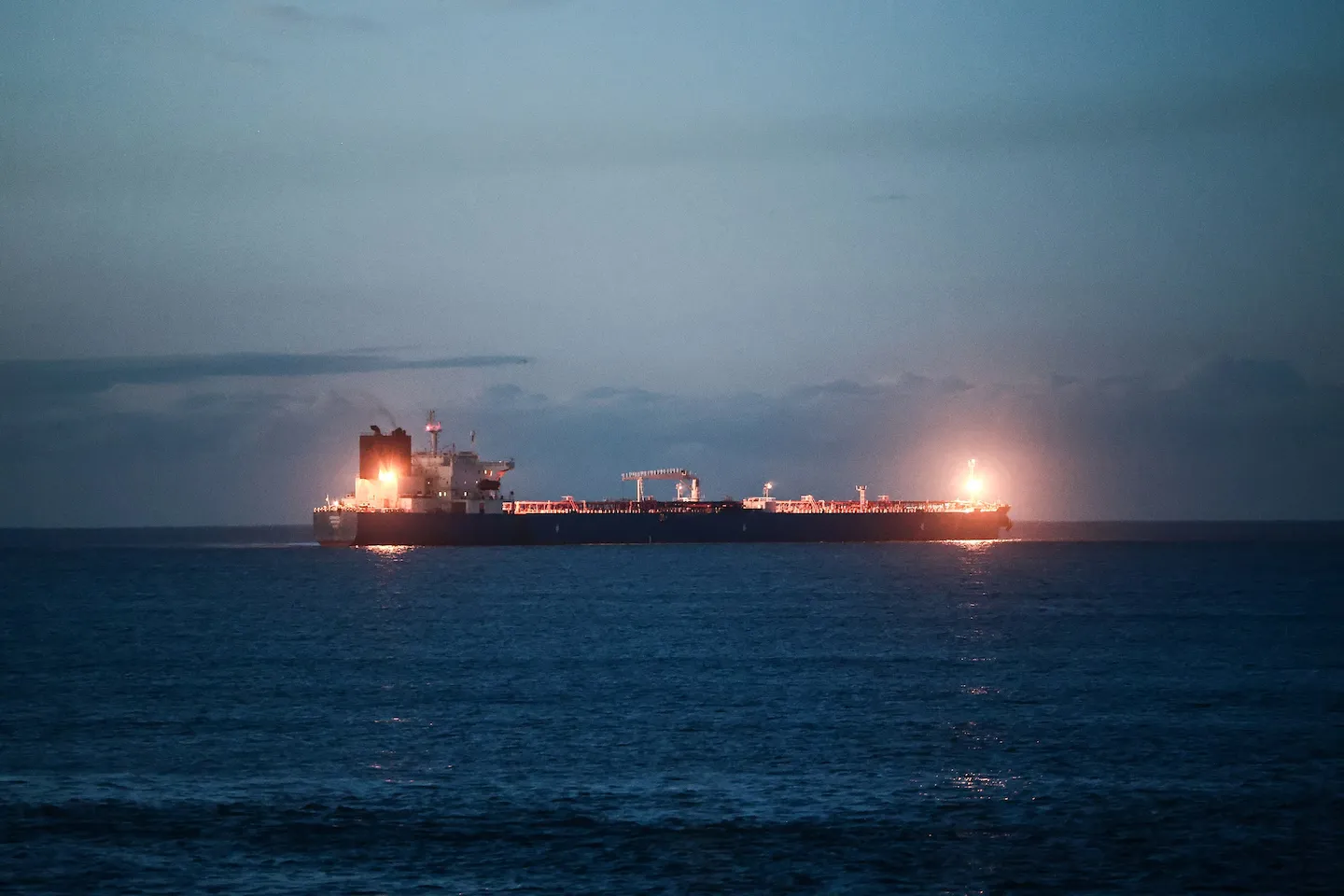
The meeting took place in the format of the Combined Joint Task Force, a group of 10 countries that share commitments to the security of the North Atlantic and the Baltic Sea. According to one of the participants and interlocutors familiar with the course of the talks, the allies discussed possible actions against oil tankers linked to the Russian shadow fleet.
The discussion, according to the participants, reflects the growing willingness of the allied states to more actively reduce the revenues that, in their opinion, fuel Russian President Vladimir Putin's war against Ukraine. The article also notes that Russian troops have advanced in recent months, albeit at the cost of significant losses.
Estonian Defence Minister Hanno Pevkur said after the meeting that the mood was that more proactive action was needed. He also stressed that countries that provide flags to shadow fleet vessels must understand that other countries may take certain measures. At the same time, Pevkur emphasised that further discussion was needed before any decision was taken.
The caution of some participants is linked to fears of escalation, as Estonian Foreign Minister Margus Tsahkna said separately.
According to the interlocutors, the head of the British Armed Forces, Richard Knighton, was also present at the meeting. He presented options, including joint operations to detain ships.
It is noted that such steps could be based on the US experience of intercepting tankers sailing to and from Venezuela, sometimes with the support of allies, after the capture of President Nicolas Maduro. Some of these vessels, as indicated, had ties to Russia.
The extent to which the US will be involved in the UK-led initiative remains unclear. At the same time, according to one of the interlocutors, some coordination is likely. The article also states that the interception of ships linked to Russia has caused concern in Moscow, and Russian officials have privately demanded that the US stop such actions.
The shadow fleet is described as a group of approximately 1,500 tankers that use false flags to appear legitimate and avoid rules and regulations. More than 600 tankers have already been sanctioned by various combinations of the EU, the UK and the US because of their links to Russia.
Last month, 14 European countries warned that tankers in the Baltic and North Seas must fly the flag of a single state. This signal was directed against shadow fleet vessels, which sometimes change flags or use false ones.
The text also gives examples of specific actions. On 7 January, the UK helped the US seize the oil tanker Marinera, which was sailing under the Russian flag, after a multi-day chase that began when the ship left the Caribbean Sea. On 22 January, French naval forces boarded an oil tanker travelling from Russia to the Mediterranean Sea.
Bloomberg Economics analysts Chris Kennedy and Alex Kokcharov noted in a 3 February memo that Europe's current actions are only partially affecting the situation, and that more coordinated steps would raise stakes and complicate access to the simplest routes to Asia.