Church holiday on 14 July 2026: prohibitions and traditions of the day

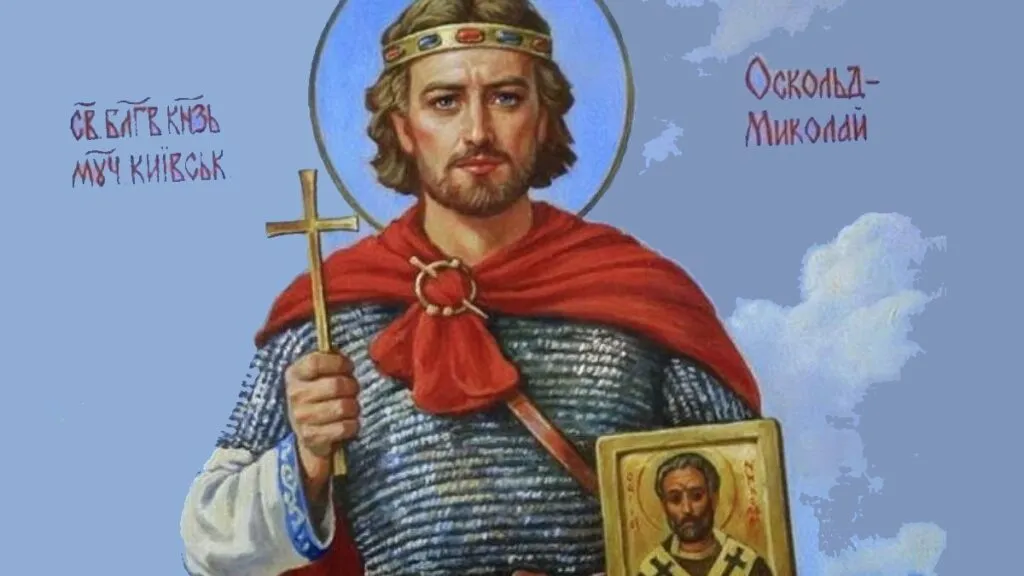
Prince Oskold, better known as Askold, was one of the rulers of Kyiv in the 9th century. Ecclesiastical tradition links his name to one of the earliest stages of the spread of Christianity in Rus’ and to his baptism under the name of Nicholas.
The Rus’ campaign against Constantinople took place in 860. Byzantine sources report that, subsequently, some of the Rus’ adopted Christianity and a church hierarch was sent to them. At the same time, historians caution that there is no direct evidence of Askold’s personal baptism, and some of the information about him derives from a later chronicle tradition.
According to the chronicles, in 882 Prince Oleg captured Kyiv, and Askold and Dir were killed. Askold was buried on the right bank of the Dnieper, in an area that later came to be known as Askold’s Grave.
A church dedicated to Saint Nicholas was built on the site of his burial. Its name is associated with the prince’s Christian name. Researchers suggest that the church may have existed during Askold’s lifetime or was built shortly after his death.
What to do on 14 July
Believers can attend church services, pray for peace in Ukraine, for the defenders, their loved ones and those in need of support. The day can also be dedicated to reconciliation, helping others and doing good deeds.
People turn to Prince Askold with requests for a stronger faith, wisdom in difficult decisions and courage during trials. You can pray in your own words, without having to use a specific text.
What not to do on 14 July
The Church does not impose any specific restrictions on daily life for this day. It is not forbidden to work, clean, cook, sew or carry out other everyday tasks.
Believers are advised to refrain from quarrelling, using foul language, deceit, gossip, envy and treating others with contempt. Nor should one refuse to help someone who genuinely needs it.
Prohibitions on lending money, picking up found items, travelling or working are part of folk superstitions. The Orthodox Church warns against believing in superstitions and the magical significance of omens.
Folk traditions on 14 July
In the folk calendar, this day was known as ‘The Watches’. In the middle of summer, peasants kept a close watch on the sky, as thunderstorms, squalls and hail could damage the fields, hay and the forthcoming harvest.
During bad weather, people tried to quickly bring in the grain and helped their neighbours save the hay they had already harvested. The folk customs of this day are primarily linked to agricultural work and observing the weather.
Folk omens for 14 July
Heavy morning dew foretold a clear and warm day. If the sun rose from behind the clouds, rain was expected.
Muffled thunder was considered a sign of a brief downpour, whilst loud and prolonged thunder signalled prolonged bad weather. According to folk observations, a clear and warm day promised a fine autumn, whilst rainy weather promised a bountiful mushroom season.
Folk omens are not part of church doctrine and do not constitute a reliable weather forecast.
Follow us on Telegram.