Chernobyl from a new perspective: what lies behind the barbed wire

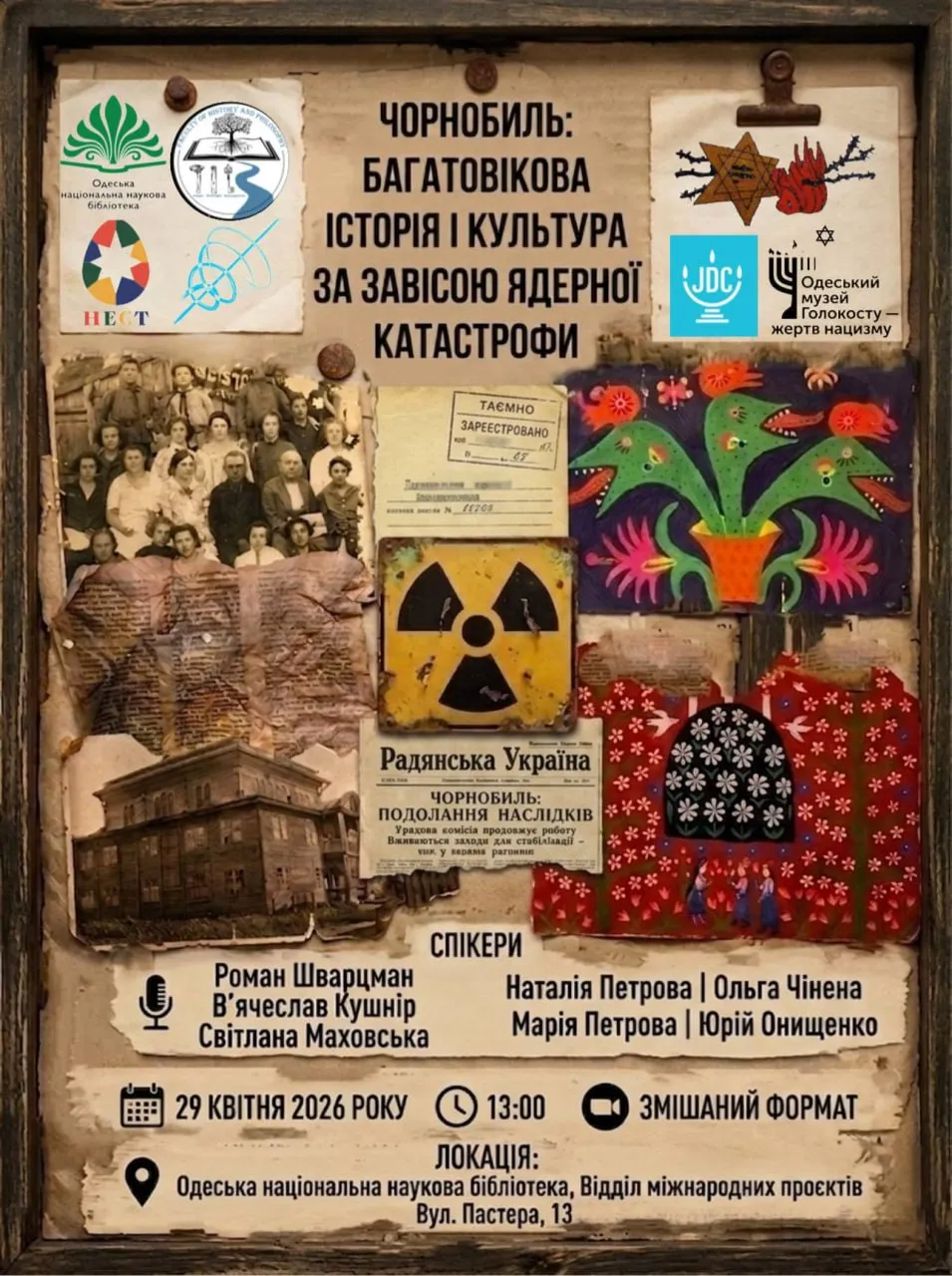
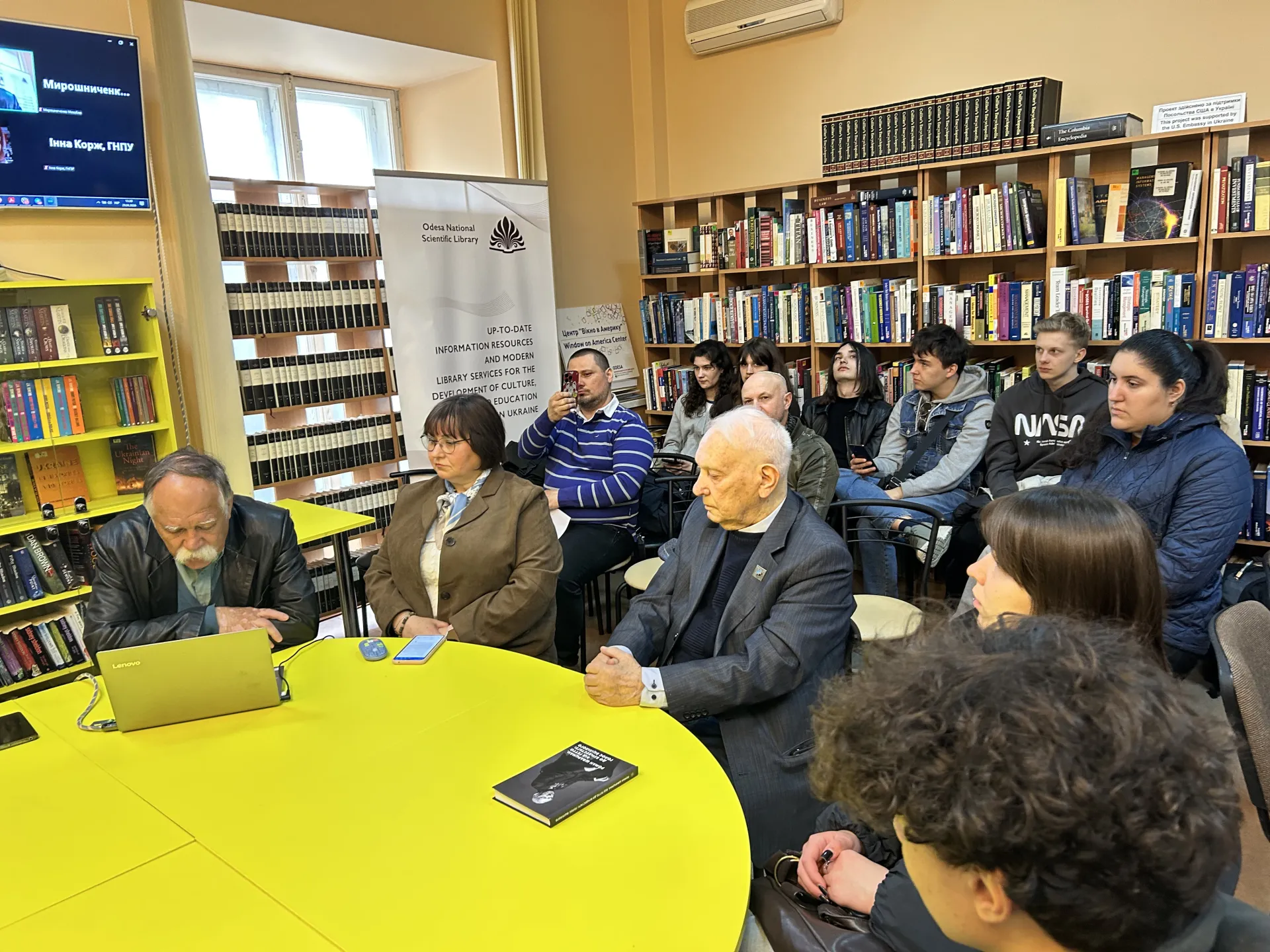
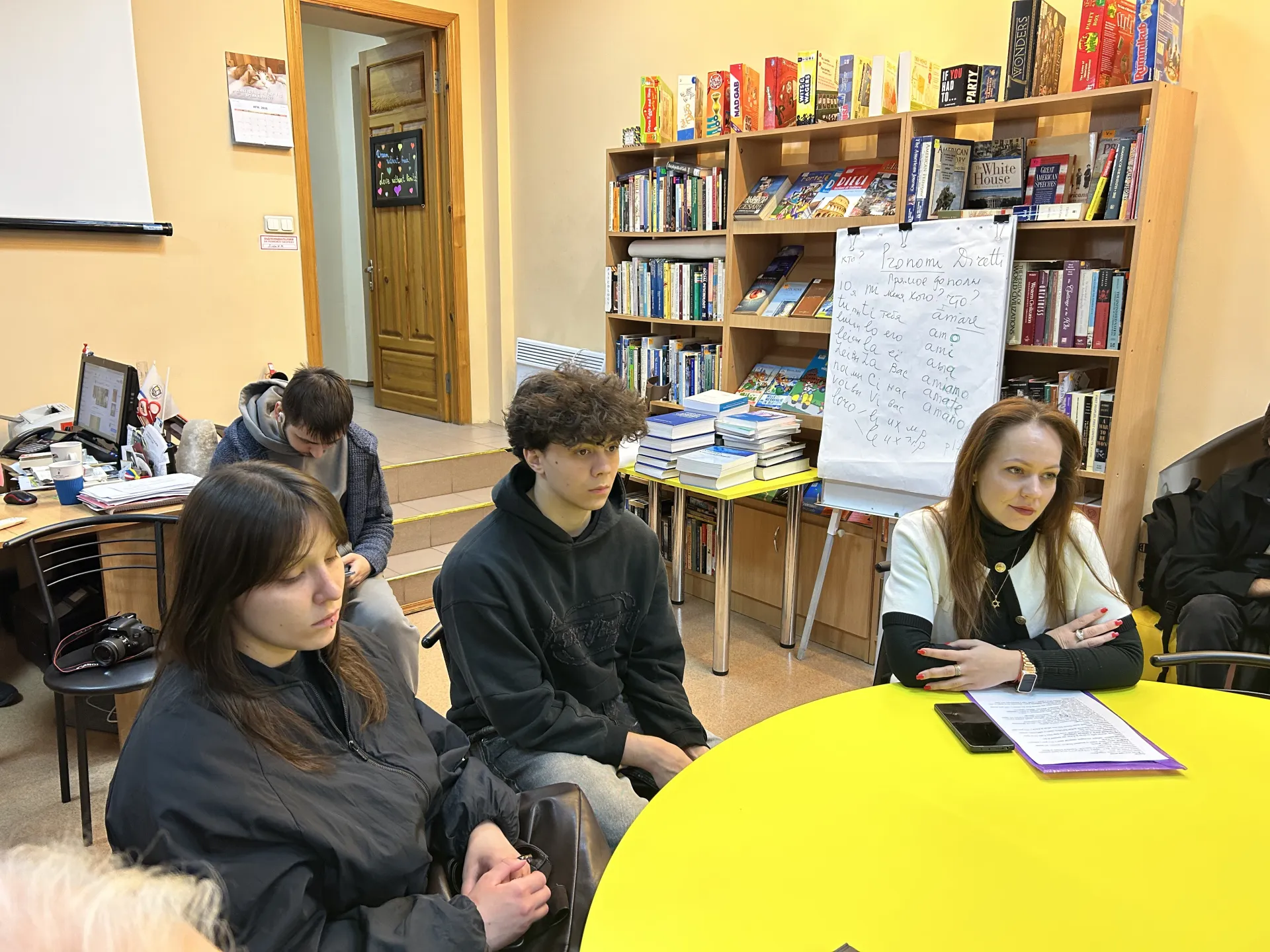
The event, organised jointly by the Odessa Holocaust Museum and the Faculty of History and Philosophy at I.I. Mechnikov Odessa National University, brought together academics and community leaders to discuss the lost ethno-cultural heritage of Polissya. At the start of the meeting, Roman Shvartsman, Chair of the Odessa Regional Association of Jews – Former Prisoners of Ghettos and Concentration Camps, delivered a welcoming address. Professor Vyacheslav Kushnir, Dean of the Faculty of History at Odessa National University, also emphasised the importance of local history research in this context. The event was moderated by Natalia Petrova, Deputy Dean for Research and Candidate of Historical Sciences, who provided expert guidance for the discussion and introduced the key speakers
Rescued artefacts and the ethnography of the Zone
The main part of the discussion was devoted to unique materials collected during historical and ethnographic expeditions to the Exclusion Zone. A special guest at the event, Svitlana Makhovska, Head of the Ethnology Department at the State Scientific Centre for the Protection of Cultural Heritage from Technogenic Disasters, spoke about the rescue of over 62,000 material artefacts. These ranged from artefacts dating back to the times of Kievan Rus’ to examples of archaic basketry and traditional embroidery, which had been preserved for decades in the isolated environment of the Polissya region.
Spiritual heritage and artistic interpretation
Special attention was paid during the conference to the religious and cultural life of the region prior to the disaster. Olga Chinen, a research fellow at the Holocaust Museum, highlighted the history of the Chernobyl Hasidic court, tracing the spiritual connections of local tzadikim with the Odessa region, particularly the village of Savran.
The issue of transforming tragedy into art was raised by Maria Petrova, a representative of the ‘NEST’ student group, who analysed the series of works by Maria Pryimachenko. It was noted that for the artist, Chernobyl became a personal tragedy, as her nephew Valerii Khodemchuk was the first victim of the accident at the plant. Meanwhile, Yurii Onyshchenko presented the experience of civil society organisations in preserving Chernobyl as part of Ukraine’s intangible cultural heritage.
Exhibition and conclusions
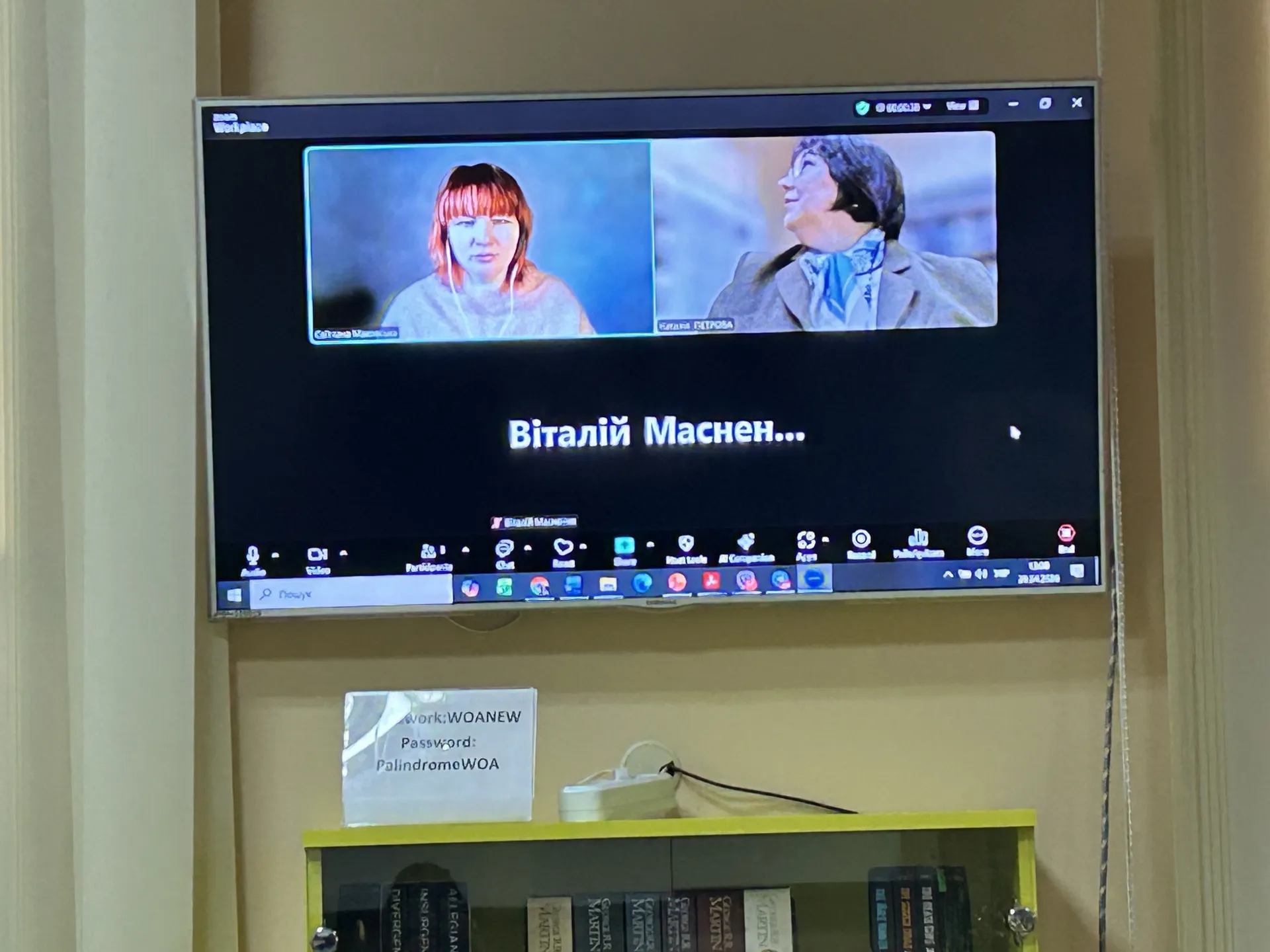
For participants and visitors, specialists from the Odessa National Scientific Library prepared a thematic exhibition entitled ‘Chernobyl: No Right to Forget’. The exhibition features documents about the liquidators, works of art and regulatory acts concerning the protection of those affected, collected over the 40 years since the accident. The conference was held in a hybrid format, attracting a wide audience both in the library hall and via online connection.
Follow us on Telegram